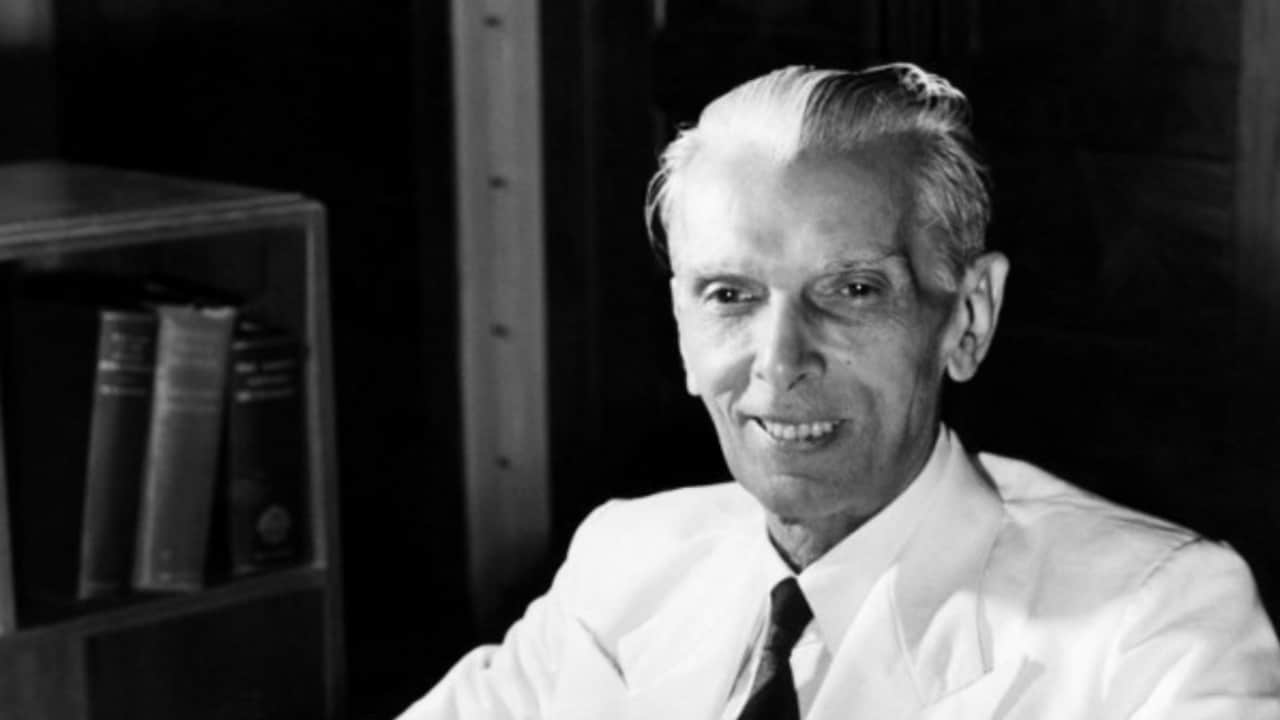
The reopening of the Dhaka University Central Students Union museum triggered an immediate political fracture when portraits of Pakistan founder Muhammad Ali Jinnah were introduced alongside modifications to the institutional display of Bangladesh liberation history. The ensuing protests, administrative inquiries, and removal of materials highlight an ongoing struggle over memory architecture on campus. Deconstructing this crisis requires analyzing how institutional authority, student politics, and historical narratives collide in post-uprising Bangladesh.
The Mechanics of Narrative Substitution
Historical displays in transitional political environments rarely function as passive archives. They operate as mechanisms of legitimacy. Following the political shifts in Bangladesh, various student factions and administrative actors sought to dismantle the dominant historical narrative established by the preceding regime.
The inclusion of Jinnah's portraits—alongside historical material referencing his 1948 language declaration at the Racecourse Maidan—was framed by its proponents as an objective return to a broader chronological continuum that includes the 1947 partition. However, this structural adjustment bypassed standard institutional oversight. The university administration stated that the initiatives were undertaken without prior consultation, creating a dual power dynamic where student union bodies attempted to run parallel administrative and curation policies.
The Vector of Public Backlash
The public and student reaction followed predictable political fault lines, characterized by three distinct behavioral responses:
- Institutional Resistance: The university administration moved quickly to distance itself from the unilateral curation, launching an investigative committee led by the pro-vice-chancellor to assign accountability.
- Direct Action: Student groups viewed the integration of pro-Pakistan figures not as historical revisionism, but as a direct ideological assault on the sacrifices of the 1971 Liberation War, leading to the immediate defacement and removal of the displays.
- Technical Error Amplification: Compounding the ideological friction, the museum faced parallel criticism for utilizing flawed, potentially artificial intelligence-generated photographs for multiple literary figures, undermining the baseline credibility of the curation effort.
Institutional Vulnerabilities in Archive Curation
The controversy exposes systemic weaknesses in how university-affiliated student bodies manage public spaces.
When curation is delegated to shifting political coalitions without peer review or academic governance, the archive ceases to be an educational resource and becomes a proxy battlefield for current ideological competition. The removal of figures central to the independence movement, paired with the insertion of figures historically rejected by the national consensus, created an intolerable friction point for a student body acutely sensitive to historical revisionism.
The administrative response must move beyond ad-hoc removal of contested artifacts. To stabilize institutional memory, Dhaka University faces the operational necessity of decoupling campus museum curation from immediate student-wing partisan cycles, enforcing strict academic oversight standards, and ensuring that historical exhibits adhere to verified documentary evidence rather than transient political signaling.
The video above outlines the physical events and student reactions surrounding the museum exhibits at Dhaka University.