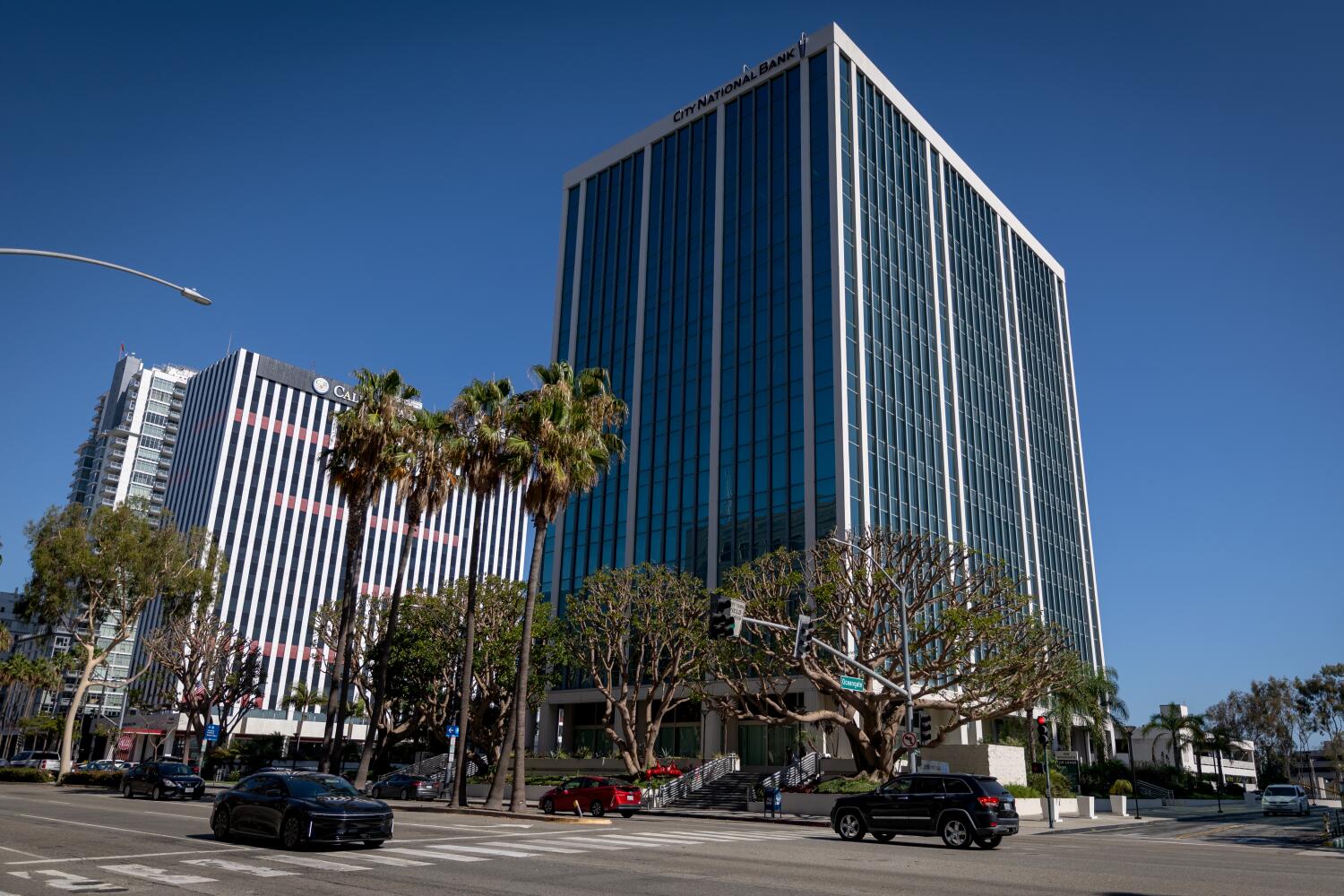
Commercial real estate is bleeding out, but the Port of Long Beach just made a massive bet on concrete and steel.
The port dropped $36 million to purchase a 13-story downtown office tower at 100 Oceangate. That sounds standard enough until you look at the macro picture. Downtown office vacancies are hitting historic highs. While private landlords are scrambling to convert empty commercial space into residential apartments or selling at massive losses, a municipal entity is moving in the exact opposite direction.
Why buy an office building when everyone else is running away from them? Honestly, it comes down to a calculated power play for the local maritime economy.
The Real Strategy Behind AnchorLB
Mayor Rex Richardson launched the AnchorLB initiative with a blunt premise. The massive shipping, logistics, and manufacturing companies powering the local waterfront economy need an actual physical presence in the heart of the city.
For years, downtown and the port lived in two separate operational spheres. Cargo moved at the docks, while corporate offices spread out or ignored the urban core. The purchase of the 226,748-square-foot Oceangate tower changes that dynamic entirely.
This isn't just about collecting rent or parking extra employees. The building is turning into an industry hub. International shippers, logistics operators, and maritime tech startups are getting targeted invitations to set up shop right next door to municipal power.
You have to look at what else is happening on Ocean Boulevard to understand the timing. Private developers are spending tens of millions turning neighboring high-rises into housing units because traditional office demand cratered. By stepping in with public capital, the port is anchoring a specific commercial ecosystem that private developers currently view as too risky.
What Goes Inside the Tower
Buying a massive empty box is the easy part. Filling it with functional utility is where municipal projects usually stall.
The port plans to use the space for more than just standard cubicles. Half the battle in modern international trade is workforce retention and specialized training. The tower is slated to house dedicated spaces for workforce development programs and "Port U," the organization's internal training hub.
Bringing training facilities into downtown proper creates a direct pipeline. You aren't just shifting administrative staff across town; you are creating a localized talent incubator.
- Industry Collaboration: International logistics firms get a central place to meet, negotiate, and coordinate supply chain hurdles.
- Workforce Training: Local workers get direct access to programs designed to keep the port running efficiently.
- Civic Integration: The proximity to the Long Beach Civic Center binds municipal policy directly to commercial trade execution.
The Office Market Reality Check
Let's be clear about the local market. Downtown Long Beach office vacancies reached record peaks right around this acquisition. Private equity firms are taking steep haircuts on commercial assets across Southern California.
When a quasi-governmental entity acquires a 13-story tower with a five-level parking structure for $36 million, they are buying at a severe market discount compared to peak valuation years. It is a textbook defensive and offensive move rolled into one. They secure cheap square footage while simultaneously executing a long-term economic development playbook.
Other cities watching this experiment need to pay attention. Relying on remote work to sort itself out isn't an urban revitalization strategy. Municipalities need anchor institutions with deep pockets to step in and dictate terms to the core business district.
If AnchorLB works, this $36 million acquisition will look like a bargain basement steal that permanently altered the economic gravity of downtown. If it fails, the port just inherited a massive asset class that the rest of the private market is desperately trying to unload.
Keep an eye on which private maritime tenants actually sign leases in the building over the next twelve months. That will tell you whether this is a genuine economic engine or an expensive real estate gamble.

.png?width=1200&auto=webp&trim=0%2C0%2C0%2C0)