The receipt feels heavier than it should.
Thirty-four dollars and twelve cents. For a canvas bag that contains exactly five items: a gallon of whole milk, a block of sharp cheddar, a dozen eggs, a loaf of sourdough, and a modest package of ground beef.
(Note: This shopping trip is a hypothetical composite based on standard July consumer reporting, though the numbers reflect current grocery averages.)
Five items. Not a feast. Not a cart overflowing with seasonal produce or specialty cuts of meat. Just the baseline fuel required to keep two adults and a teenager functioning through a typical work and school week.
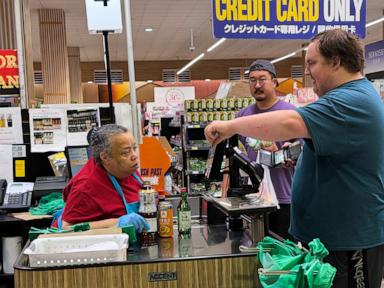
Stand there by the register. Watch the cashier's hand move with practiced, mechanical speed. Bip. Bip. Bip. Every beep sounds less like a scan and more like a small, sharp drop of water hitting stone. Constant. Predictable. Unyielding.
That is what sticky inflation feels like.
It does not announce itself with sirens. It does not arrive as a dramatic economic crash that makes front-page news with bold black headlines. Instead, it is a slow, quiet erosion. It is the steady tightening of a belt that was already notched one hole past comfort.
When July consumer price index reports dropped, the economists in their glass offices used words like moderation and plateau. They pointed to charts where lines curved gently downward from their jagged peaks of yesteryear. They spoke with the calm assurance of men looking at a hurricane through a weather app while standing safely inland.
They are not wrong, strictly speaking. The frantic, leaping jumps in prices have slowed down. The acceleration has eased. But numbers on a spreadsheet do not capture the exhaustion of a household budget that has been stretched to its absolute breaking point for three consecutive years.
A plateau at the top of a mountain is still high up. And the air is still thin.
Consider the arithmetic of survival. When a wage goes up by three percent, but the baseline cost of housing, food, and fuel has permanently shifted upward by twenty percent over a span of thirty-six months, the math stops working. It creates a quiet panic.
You see it in the checkout line. Someone puts back the ground beef. They replace it with a second carton of eggs, or maybe they just walk away from the register entirely, mumbling an excuse about a forgotten item.
Prices stopped climbing at a breakneck pace, but they refuse to go back down. That stubbornness is what economists call stickiness. To the rest of us, it is a locked door.
Inflation is a tax on memory. It forces you to constantly update your mental catalog of what things should cost. Coffee is no longer four dollars; it is seven. Insurance is no longer an annoyance; it is a line item that demands you sacrifice something else. Every trip to the store requires a mental recalculation, a frantic internal debate about whether you truly need that extra bag of frozen broccoli.
The Federal Reserve sits in Washington, staring at data feeds, debating the timing of interest rate cuts. They talk about moving the needle by a quarter of a point as if they are surgeons operating on a patient who has been under anesthesia for far too long. Every word from a central banker is parsed like ancient scripture by traders on Wall Street.
Meanwhile, back in the kitchen, the milk carton is empty again.
The psychological toll of this environment is invisible to the macro-data. You cannot chart a person's quiet anxiety when they open their banking app on a Tuesday night. You cannot measure the sleepless hours spent wondering how health insurance premiums outpaced raises yet again.
Sticky inflation means the goalposts are permanently cemented into the turf far down the field. You can run as hard as you want, but the distance required to score never shrinks.
People adapt. They always do. Human beings are astonishingly resilient creatures, capable of absorbing shocks that would have seemed unimaginable a decade ago. We learn to buy store brands. We cancel subscriptions we barely used. We drive less, turn down the thermostat a few degrees in the winter, and find creative ways to stretch a pound of pasta across three separate dinners.
Resilience, however, is not the same thing as health.
When every dollar is spoken for before it even hits the checking account, the capacity for spontaneity evaporates. The rainy day fund becomes a dry memory. The ability to take a calculated risk, to switch careers, to start a small business, or simply to take a weekend away to breathe—all of it gets deferred. Indefinitely.
July's numbers proved one undeniable truth. The fever broke, but the patient is still confined to bed.
The system breathes a sigh of relief because things are not getting worse at the previous speed. But the cost of living remains stubbornly, agonizingly high.
Step back outside into the summer heat. The parking lot is full of cars with faded paint and bumper stickers from years past. People are getting into them, loading their sparse bags into trunks, and driving home to homes where calculators are waiting on kitchen tables.
The economy is chugging along. The gross domestic product numbers look respectable enough. But inside those homes, the ledger tells a different story. A story written in quiet compromises and small surrenders.
The receipt sits on the counter, catching the evening light. Thirty-four dollars and twelve cents. Tomorrow, it will be thirty-five. And the slow, heavy march continues.