The air in Los Angeles during a championship win does not move; it crackles. It is a thick, electric soup of car horns, spilled beer, and the collective exhale of thousands of people who spent months tying their personal happiness to the trajectory of a leather ball. On that night, the noise was a wall.
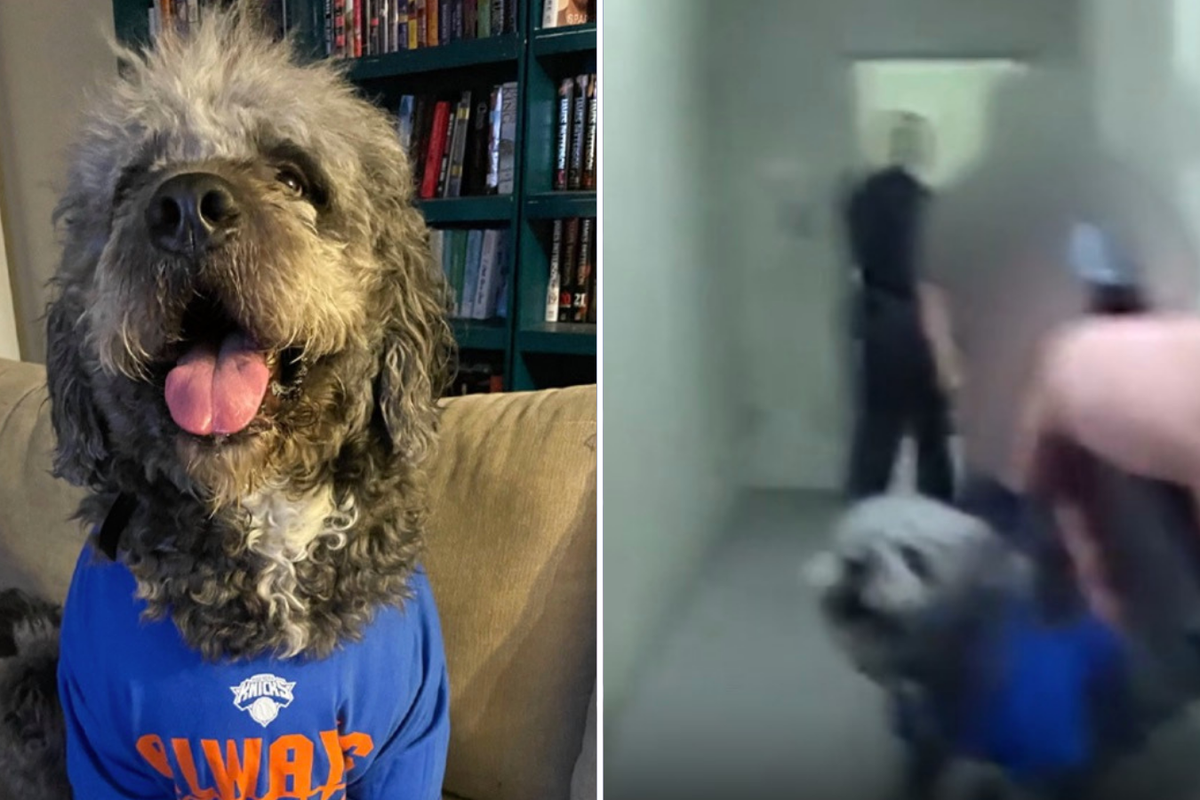
She was in the middle of it. The victory was far away in New York, a Knicks championship that resonated across coastlines, drawing expatriates and die-hard fans out into the California warmth to scream at the sky. It was supposed to be a memory anchored in pure, unadulterated joy. A marker in time where everything went right.
Then came the flash of red and blue.
We tend to think of tragedy as something slow, a dark cloud gathering on the horizon. But violence is almost always an eviction notice served in milliseconds. One moment you are breathing in the collective euphoria of a city letting loose; the next, the concrete beneath your feet feels entirely hostile.
The Los Angeles Police Department officers arrived not as peacekeepers to a celebration, but as an occupying force reacting to a siege. In the confusion, the shouting, and the chaotic choreography of a crowd scattering under the glare of high-powered cruisers, a door opened. Or perhaps a leash slipped. The details in the official paperwork will argue over inches and seconds, but the emotional reality is static.
A dog stepped forward.
To a bureaucracy, a dog is property. It carries a monetary value calculated by breed, age, and replacement cost. It is an item on a spreadsheet, no different from a broken fence or a dented cruiser door. But anyone who has ever come home to the frantic, thumping tail of a creature that judges your entire worth by your mere presence knows that this is a lie. A dog is a witness to your quietest hours. It is the only entity in your life that watches you brush your teeth, weep into your pillow, and celebrate a sports victory with equal, unquestioning devotion.
The officers saw a threat. They drew their weapons.
The sound of gunfire during a riotous celebration is a strange thing. It doesn't sound like the movies. It is flat. It is a sharp, metallic slap that punches a hole right through the cheers.
One shot. Two.
Silence followed the gunfire, expanding outward like an oil slick. The collective roar of the neighborhood evaporated, replaced by a high-pitched ringing in the ears of a woman who, just seconds prior, had been shouting until her throat was raw from happiness. On the asphalt, the small, furry center of her world collapsed.
Blood looks different under streetlights. It loses its brilliant crimson and turns a heavy, dark purple, almost black. It pooled around her companion, staining the celebratory night with the ancient, indelible ink of unnecessary loss.
The lawsuit filed against the city this week is cataloged under a dry legal heading. It speaks of civil rights violations, emotional distress, and the unlawful destruction of property. Attorneys will stand in wood-paneled courtrooms and speak in measured, clinical tones about tactical deployment, perceived aggression, and municipal liability. They will use the language of the state to dissect a moment of absolute terror.
But the lawsuit is not truly about the legal definitions of property. It is an act of defiance against the erasure of a life.
Consider what happens when the flashing lights finally dim and the cruisers roll away, leaving a quiet street smelling of burnt rubber and gunpowder. The crowd goes home. The sports analysts turn off their cameras. The championship banners are printed and sold.
The woman returns to an empty apartment.
The silence there is louder than any stadium. It is the absence of a rhythmic breathing at the foot of the bed. It is the untouched water bowl in the kitchen, the collar sitting on the counter like a tiny, useless monument. The city moves on, obsessed with its next season, its next traffic jam, its next political scandal. It expects her to do the same, to accept a settlement check, buy another animal, and file the experience away under the category of collateral damage.
This legal battle is an insistence that some things cannot be swept into the gutter with the morning-after confetti. It forces a city to look into the mirror and answer a terrifying question: when those sworn to protect us cannot distinguish between a threat and the innocent rhythm of a neighborhood alive with joy, who are they actually protecting?
The court will decide on a dollar amount. The city will likely fight to keep that amount as small as possible, protecting its budget from the precedent of paying human-grade damages for a non-human life. They will argue logic, procedure, and safety protocols.
Yet every time she closes her eyes, the echo of that flat, metallic slap will play on a loop. The victory she celebrated will forever be stained by the cost of admission. A city won a title, but a home lost its heartbeat, leaving behind only a quiet, burning demand for a reckoning that money can never truly buy.