The rain in Brussels always feels deliberate. It slicks the grey pavement outside the European Union headquarters, reflecting the neon signs of frites stands and the imposing, glass-fronted monoliths where bureaucrats reshape the world with the stroke of a pen. Inside one of these climate-controlled rooms, a scene unfolded that would have seemed impossible just a few years ago. Men with long beards and traditional tunics sat across a polished mahogany table from impeccably tailored European diplomats.
The Taliban had come to the heart of Europe.
They did not arrive as conquerors, nor did they come begging. They arrived as negotiators, holding a very specific kind of leverage. The agenda was simple, clinical, and devastatingly human: what to do with the tens of thousands of Afghans who had fled across oceans and deserts, only to find the doors of Europe slamming shut in their faces.
Consider a hypothetical young man named Bilal. He is not a statistic in a UN registry, though his existence is mirrored in thousands of official files. Picture him sitting in a cramped apartment in Berlin, his hands shaking as he scrolls through the news on his phone. Five years ago, Bilal ran for his life because he worked as a translator for an international NGO. He remembers the dust of Kabul airport, the crushing weight of the crowds, and the terrifying sound of gunfire echoing over the concrete barriers. He made it out. He built a fragile life in the West, learning a difficult language, paying taxes, and trying to forget the nightmares.
Now, the very authorities who granted him temporary shelter are sitting down with the regime he fled to discuss his return.
The meetings in Brussels mark a surreal shift in international relations. For years, European nations maintained a strict policy of non-recognition toward the Taliban government. They frozen assets, issued sanctions, and spoke passionately about human rights, particularly the systematic erasure of women from public life in Afghanistan. But politics is a game played with shifting variables, and domestic pressures inside Europe have reached a boiling point.
Governments across the continent are facing fierce political pressure from voters demanding stricter immigration controls. Anti-immigration parties are gaining ground in France, Germany, the Netherlands, and beyond. To stay in power, centrist leaders need to show they can deport people who have been denied asylum.
But you cannot deport someone to a country if that country refuses to accept them.
That is the cold reality driving this unexpected diplomatic dance. The European Union needs the Taliban to say "yes" to plane loads of deportees. The Taliban, fully aware of their new-found relevance, want legitimacy, frozen funds, and an end to their isolation. It is a transaction where human lives are the currency.
The atmosphere in these meeting rooms is described by insiders as intensely transactional. There are no handshakes for the cameras, no warm smiles. The language used in the official briefs is scrubbed of all emotion. It speaks of "repatriation frameworks," "orderly returns," and "migration management."
But let us translate that bureaucracy into human terms.
An orderly return means a pre-dawn knock on a door in Munich or Brussels. It means handcuffs, a hurried walk to a secure transport vehicle, and a seat on a chartered flight. When the wheels touch down at Kabul International Airport, the cabin doors open to an environment that is profoundly hostile to anyone who spent the last few years absorbing Western values. For someone like Bilal, stepping off that plane is not a homecoming. It is a sentence.
The complexity of the situation is dizzying, even for those who study geopolitics for a living. How does a liberal democracy deport a person to a state ruled by a regime it officially considers illegitimate? If Germany or Belgium hands a dissident over to the Taliban, do they become complicit in whatever happens to that dissident next?
Consider the logistical nightmare of the process. To execute a deportation, identity documents must be verified. Travel papers must be issued. The Taliban delegation brought lists and biometrics to Brussels, offering to cooperate in identifying Afghan nationals currently residing in Europe without legal status. In exchange, they want technical assistance, direct aid to manage the returnees, and a seat at the international table.
This creates a terrifying paradox for asylum seekers. The very act of seeking safety in the West has now placed their names on lists that are being reviewed by the authorities they ran away from.
The psychological toll on the Afghan diaspora in Europe is immense. Walk through the neighborhoods of Athens, Paris, or Frankfurt where Afghan refugees gather, and the air is thick with anxiety. Rumors fly across WhatsApp groups. Every policy shift in Brussels is dissected, every rumor amplified. Trust has eroded completely. People who once viewed European police officers as protectors now see them as the instruments of their potential return.
The argument from the European perspective is rooted in the rule of law. Diplomats argue that a functioning immigration system must have consequences. If an individual goes through the entire asylum process, appeals every negative decision, and is ultimately found to have no legal right to remain, they must leave. If they do not leave voluntarily, they must be removed. Without enforcement, they argue, the entire system of international protection collapses under its own weight.
It is a logical, legally defensible argument. But it ignores the friction of reality.
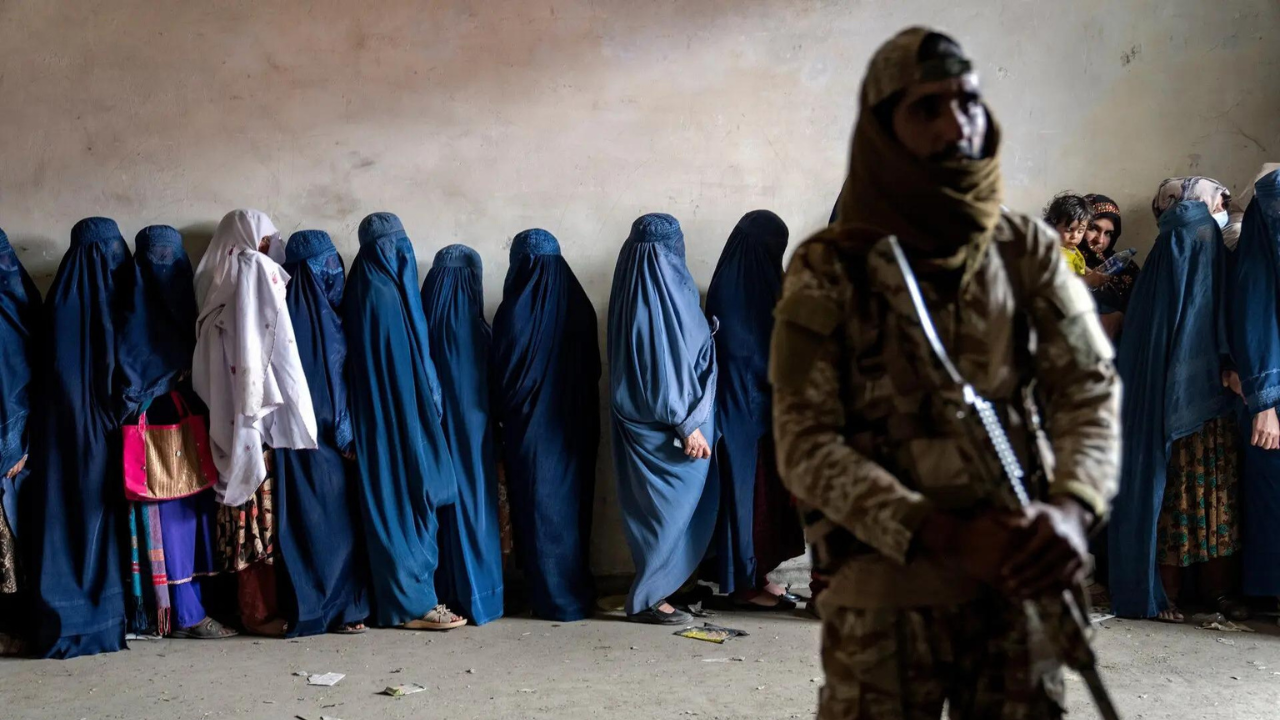
Afghanistan is not a normal country experiencing a temporary downturn. It is a nation where girls are banned from high schools, where former security forces are routinely subjected to targeted reprisals, and where the economy has largely collapsed, leaving millions on the brink of starvation. Sending people back into that vacuum is not merely a matter of administrative compliance.
The negotiations are also a masterclass in the asymmetry of modern diplomacy. The European Union enters the room with immense economic wealth, global prestige, and advanced technology. The Taliban enter the room with nothing but their willingness to say no. Yet, in this specific arena, that willingness to say no gives them incredible leverage. They know Europe is desperate for a solution to its migration anxieties. They know that every boat crossing the Mediterranean and every crowded asylum center puts pressure on European politicians.
The Taliban are playing a long game. By positioning themselves as a reliable partner in migration management, they are slowly forcing the West to accept them as the permanent rulers of Afghanistan. Today it is deportations. Tomorrow it could be trade, security cooperation, or official diplomatic recognition.
What gets lost in this strategic maneuvering is the concept of sanctuary. The right to seek asylum is one of the foundational pillars of the post-World War II international order. It was created precisely because nations recognized that there are times when human beings must flee their homelands to survive, and that civilized societies have a moral obligation to protect them.
When those same civilized societies begin negotiating the return of refugees with the persecutors themselves, the entire moral architecture of the modern world begins to fracture.
The talks in Brussels will not conclude in a single weekend. There will be more meetings, more drafts of agreements, and more clinical press releases. The technical details will be argued over by lawyers and policy experts. They will debate the definition of "safe returnees" and "voluntary repatriation assistance."
But out in the real world, away from the heated rooms and the polished mahogany tables, the waiting continues.
Imagine Bilal again. The rain that slicks the streets of Brussels is falling on his window too. He watches the drops slide down the glass, wondering if the next knock on his door will be a friend, a neighbor, or a state official holding a ticket back to a city he no longer recognizes, to face a future he cannot bear to imagine. The policy is abstract. The fear is absolute.


