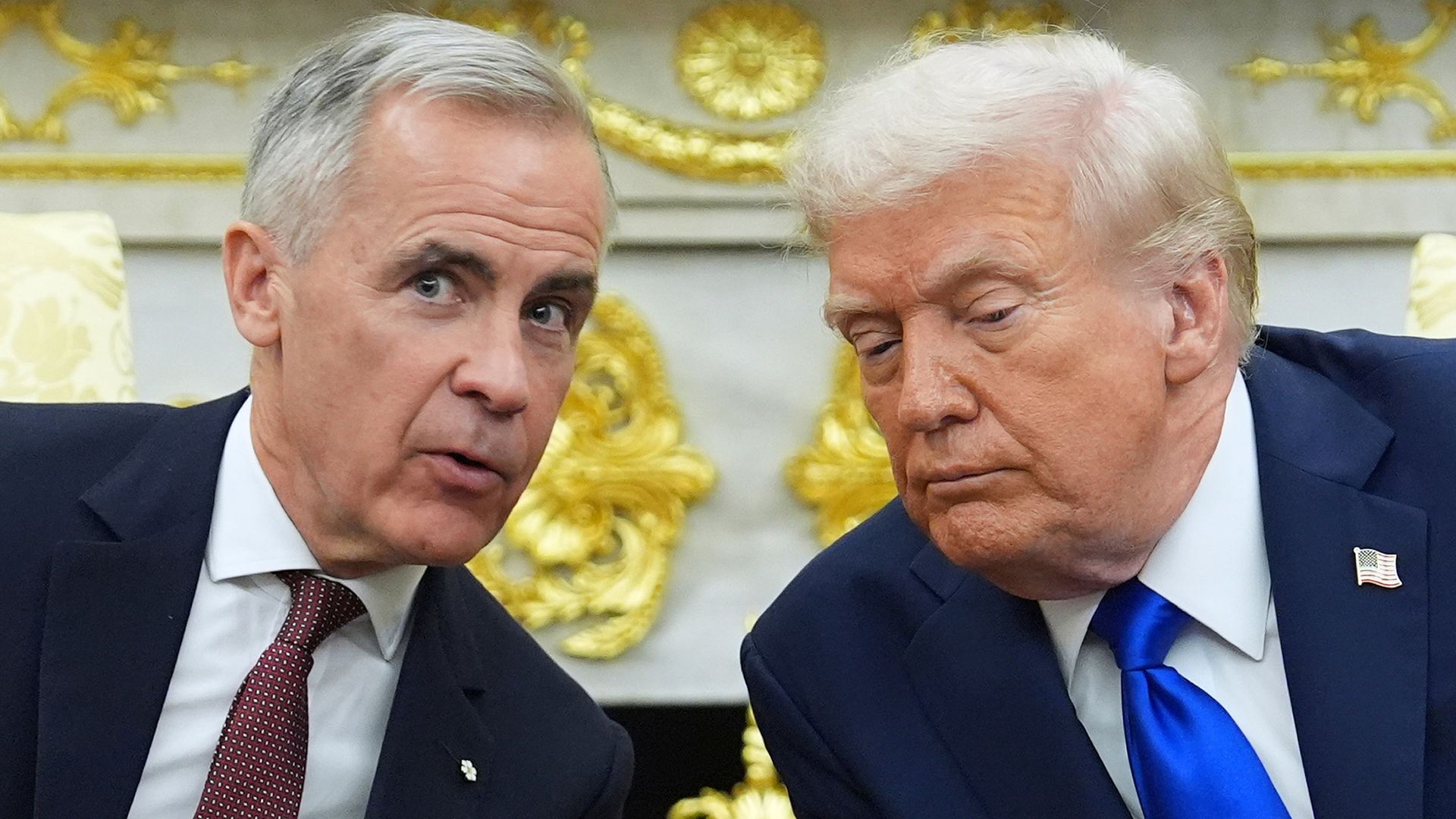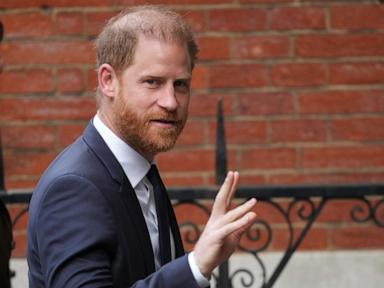
Prince Harry is officially stepping down from the board of African Parks after a decade of heavy involvement.
If you have been following conservation headlines, this move does not happen in a vacuum. The high-profile exit follows intense scrutiny and pressure from indigenous rights groups like Survival International, which publicly urged him to resign. The core issue? Severe allegations of human rights abuses committed by park rangers against local populations in the Republic of the Congo.
When elite conservation models collide with the real-world human cost on the ground, high-profile figures usually find themselves caught in the crossfire. Let us look at what actually happened, why the exit matters right now, and what it signals for modern environmental philanthropy.
The Breaking Point Behind the Board Exit
African Parks manages roughly 20 national parks and protected areas across 12 African nations. It is a massive operation. But scale brings immense structural vulnerability.
Earlier investigations and independent reviews confirmed that rangers employed within certain managed zones—specifically Odzala-Kokoua National Park in the Republic of the Congo—engaged in appalling abuses against local indigenous communities. Indigenous Baka community members came forward with accounts of severe violence.
Activists argued that having a global royal patron attached to the organization shielded structural flaws. When Survival International demanded his resignation earlier this year, the pressure mounted exponentially. Harry’s departure after ten years of service—initially serving as president before transitioning to the board of directors in 2023—marks a definitive break from an active governance role.
Spin Versus Reality in Modern Conservation Governance
Organizations love celebrity association. They bring instant global media attention, massive donor networks, and institutional legitimacy. But celebrity boards create a unique trap. When things go wrong operationally, the public looks straight to the famous face on the masthead.
African Parks framed the exit as part of a routine "governance refresh" taking effect by September 30, noting the inclusion of new figures like a Kenyan Supreme Court justice and the president of AGRA.
Yet, reducing this to a simple administrative reshuffle misses the forest for the trees. Representatives for Harry maintain that he remains supportive of the broader mission and proud of his decade-long tenure. Critics, however, argue that stepping down does not erase a legacy built on a flawed "fortress conservation" model that historically alienates or harms local inhabitants.
The Fallout for High-Profile Philanthropy
Celebrity environmentalism is entering a much harsher reality check. Donors and public figures can no longer slap their names on complex international charities without facing rigorous accountability for local operational failures.
If you are tracking how major nonprofits operate, look closely at how they handle local community integration moving forward. Moving away from top-down enforcement toward genuine indigenous partnership is no longer optional. It is a survival metric for the conservation sector itself. Expect more high-profile board members to reevaluate their charity portfolios as scrutiny intensifies.