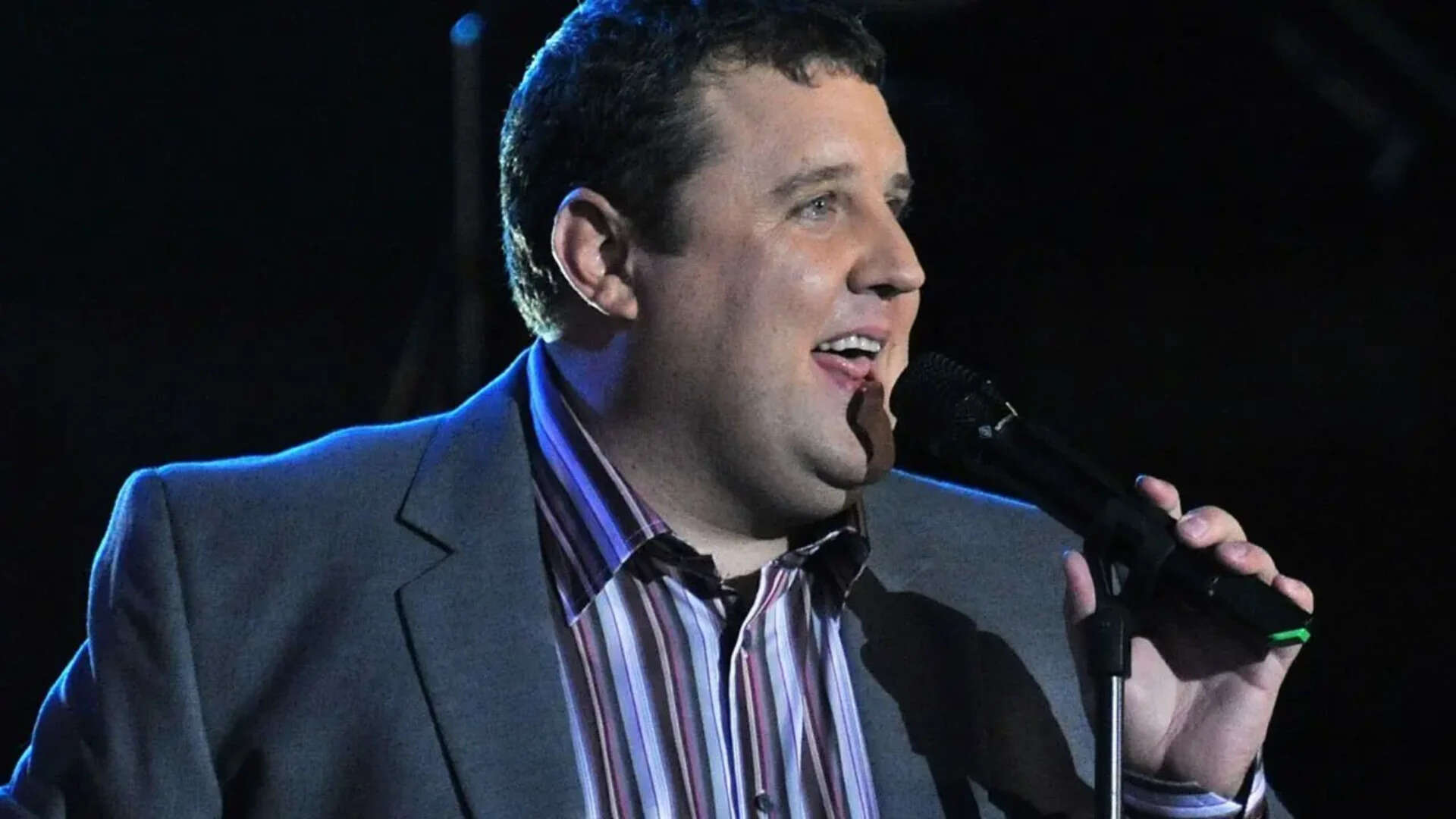
The removal of a defendant from a courtroom is not merely a disciplinary action; it represents a failure of the procedural interface between the state’s judicial machinery and an individual’s right to a fair trial. When Omar Majed, accused of a planned explosive attack on a Peter Kay performance at the Co-op Live arena, was ordered to leave the dock following repeated outbursts, the court triggered a specific protocol designed to balance security imperatives against constitutional protections. This disruption highlights a recurring friction point in the British legal system: the tension between the "open justice" principle and the necessity of maintaining a controlled, non-prejudicial environment during high-stakes terrorism proceedings.
The Architecture of Courtroom Disruption
The incident involving Majed serves as a case study in the breakdown of the defendant-courtroom relationship. In English law, the right of a defendant to be present at their trial is a cornerstone of Article 6 of the European Convention on Human Rights. However, this right is conditional. The court operates on a logic of functional efficiency; once a participant’s behavior prevents the orderly progression of the hearing, the judge must apply a tiered intervention strategy.
- Verbal Admonishment and Calibration: The initial stage involves the judge setting the behavioral baseline. In Majed’s case, this involved warnings regarding the consequences of interrupting proceedings.
- Temporary Removal: This is a tactical pause designed to de-escalate emotional or ideological volatility.
- Continuation in Absence: The most severe tier, where the trial proceeds without the defendant’s physical presence, often utilizing a video link to maintain a semblance of the right to witness the evidence.
This hierarchy exists to prevent the defendant from weaponizing the courtroom as a platform for ideological messaging or procedural sabotage. When Majed shouted about his treatment and specific grievances, he shifted the focus from the legal merits of the case—possession of an explosive substance and the intention to endanger life—to the process itself.
Quantifying Security Risks in Public Spaces
The charges against Majed center on the alleged intent to target a mass-gathering event. To analyze the severity of this threat, one must look at the "Kill Chain" of a planned improvised explosive device (IED) attack. Security analysts evaluate these threats through the lens of three specific variables:
The Vulnerability of Soft Targets
Arenas like the Co-op Live represent "soft targets" due to high pedestrian density and defined entry/exit bottlenecks. The Peter Kay comedy show, attracting approximately 20,000 attendees per night, provides a high-payoff environment for an attacker seeking maximal casualty rates. The suspect’s alleged possession of a "low-explosive" substance—often characterized by rapid combustion rather than supersonic detonation—still poses a lethal threat in enclosed spaces where overpressure and shrapnel dispersion are amplified by structural geometry.
Logistics and Procurement Barriers
The legal threshold for "possession of an explosive substance with intent to endanger life or cause serious injury" requires the prosecution to prove both the physical custody of the materials and a specific cognitive intent. In many modern terror plots, the shift from high-grade military explosives to precursor chemicals creates a detection challenge for intelligence agencies. The "intent" variable is often the most difficult to quantify, relying on digital footprints, surveillance, and physical evidence such as diagrams or "dry run" observations.
Psychological Warfare and Social Disruption
The choice of a comedy performance—an event predicated on communal joy and levity—is a deliberate strategic choice designed to maximize the psychological impact on the civilian population. By targeting such an event, an actor seeks to erode the "social contract of safety" that underpins public life.
Judicial Management of Ideological Outbursts
When a defendant uses a court appearance to broadcast grievances, they engage in a form of "procedural insurgency." The judge, in this instance, is tasked with neutralizing this insurgency without appearing biased. This is handled through the strict application of the Criminal Procedure Rules.
The defendant's claims of mistreatment in custody or the unfairness of the charges are technically extraneous to the specific motion of a plea and trial preparation hearing (PTPH). By removing Majed, the court re-asserts the dominance of the legal framework over the personal or political narrative. This creates a firewall between the defendant’s rhetoric and the jury—or in the case of preliminary hearings, the public record.
Structural Bottlenecks in the Prosecution of Terrorism
The progression of this case to a trial date in late 2025 or early 2026 reveals a significant bottleneck in the UK’s judicial system. The delay between arrest and trial is driven by several systemic factors:
- Digital Forensics Latency: Modern counter-terrorism cases involve terabytes of data. Mapping Majed’s communications, search history, and potential radicalization pathways requires months of specialized analysis.
- Expert Witness Availability: Cases involving chemical precursors require testimony from forensic chemists and bomb disposal experts who must certify the lethality of the recovered materials.
- Public Interest Immunity (PII): The state often holds intelligence that cannot be shared with the defense without compromising national security. Navigating PII claims adds layers of closed-court hearings that extend the timeline.
Risk Assessment of the "Lone Actor" Model
While the trial will determine Majed’s guilt or innocence, the profile suggested by the charges aligns with the "lone actor" model of modern extremism. Unlike coordinated cells, lone actors lack the organizational support that often provides a trail for intelligence services, making them inherently more difficult to preempt. The detection of Majed’s alleged plan suggests a successful intervention at the "acquisition" phase of the attack cycle—the point where a suspect moves from radical thought to the physical gathering of materials.
The strategic priority for security services in the wake of this incident is the hardening of arena perimeters during the "ingress" phase. This involves:
- Multi-layered Screening: Utilizing "vapour wake" canines and advanced imaging to detect chemical residues before a suspect reaches the turnstile.
- Behavioral Detection: Training floor staff to identify "pre-attack indicators" such as excessive sweating, repetitive checking of devices, or an unusual focus on security positions.
The legal system must now transition from a reactive security posture to a deliberative analytical phase. The upcoming trial will not only test the evidence against Omar Majed but will also serve as a stress test for the Co-op Live arena's security protocols and the UK’s ability to prosecute high-threat actors without allowing the courtroom to become a theater for the very disruption the defendant is accused of planning.
The court's decision to maintain a firm grip on the proceedings by removing the defendant is a necessary tactical maneuver. It signals that while the state's power to prosecute is vast, its patience for procedural disruption is non-existent. The integrity of the eventual verdict depends entirely on the ability of the judge to isolate the legal facts from the theatrical interruptions of the accused. High-profile security litigation requires a clinical environment; any deviation from this standard allows the defendant to claim a moral or procedural victory regardless of the legal outcome. Moving forward, the court must employ rigorous case management to ensure the 2026 trial date remains viable and that the evidence—rather than the outbursts—remains the focal point of the public record.


