Turn on a tap in San Juan right now, and you might hear nothing. Dry pipes, sputtering faucets, and empty cisterns have become an exhausting routine for thousands of residents across the island. As persistent dry weather grips the Caribbean, officials have turned to strict water rationing. But blaming the weather alone misses the real disaster.
The crisis runs much deeper than a lack of rain. Decades of deferred maintenance, crumbling pipes, and institutional failure have turned a seasonal dry spell into a full-scale public emergency. You might also find this connected story insightful: Why Foreign Policy Coverage is Completely Broken.
The Anatomy of a Man-Made Drought
Dry conditions and shrinking reservoirs are hitting the region hard. Over eighty percent of Puerto Rico has faced abnormally dry conditions or moderate drought. Streams are dropping, and vegetation is baking under soaring summer temperatures.
Yet, nature is only cooperating with a pre-existing catastrophe. The Puerto Rico Aqueduct and Sewer Authority, known locally as PRASA, operates a severely compromised distribution network. As highlighted in recent articles by TIME, the implications are widespread.
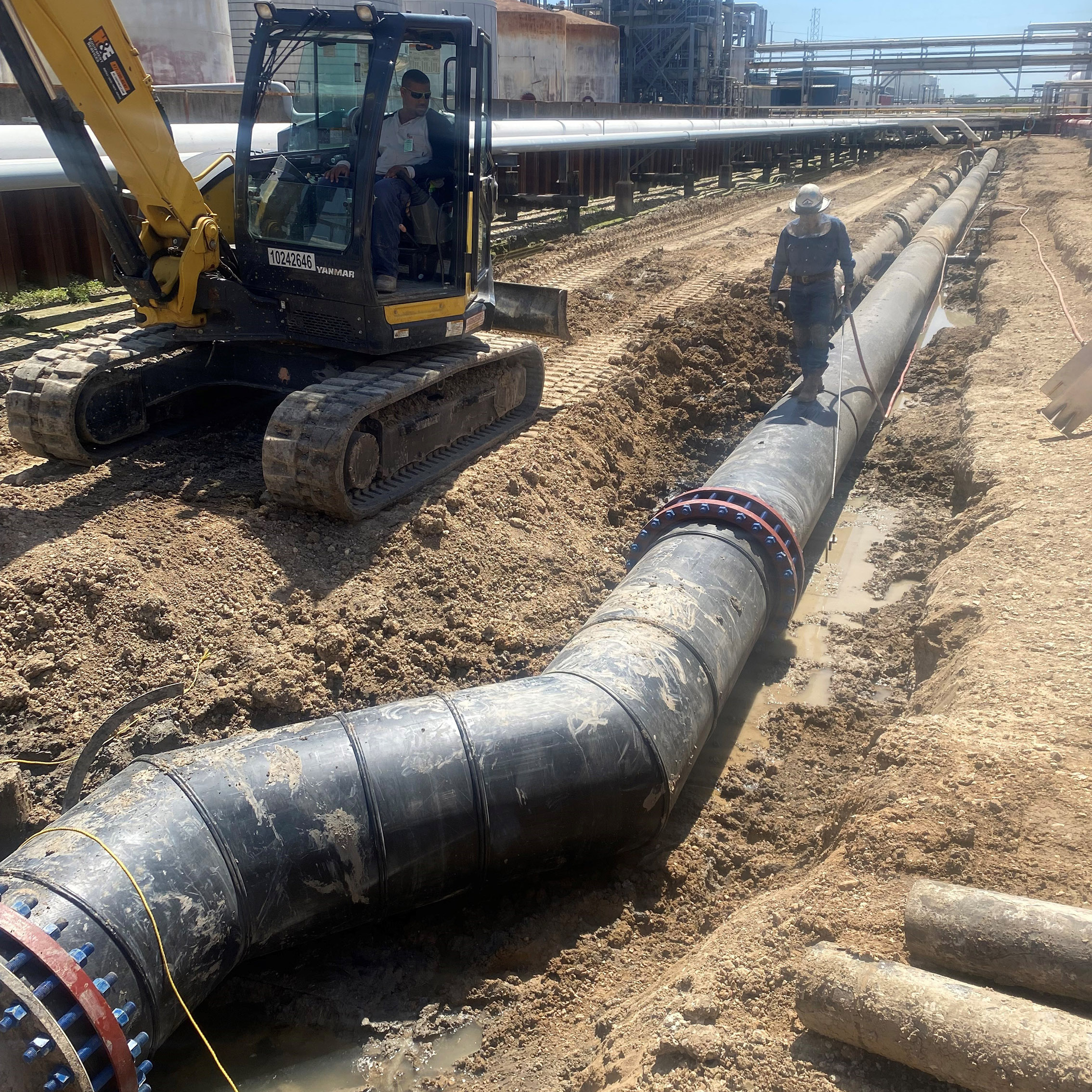
Consider the numbers. The utility produces over 500 million gallons of water every day. Nearly half of that water never reaches a home or a business. It pours straight into the ground through massive, unaddressed physical leaks known locally as salideros.
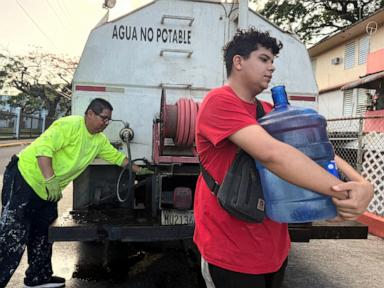
When a critical pipeline like the massive Superaqueduct suffers major structural ruptures, the metropolitan engine of the island grinds to a halt. Repairs drag on for weeks. Meanwhile, neighborhoods go more than a hundred days without consistent running water, forcing the government to deploy emergency tanker trucks.
Daily Life When the Faucets Go Dead
Living through water rationing changes your entire daily routine. Families cannot simply wash dishes or do laundry on demand. Instead, residents track water distribution schedules, haul heavy containers up apartment stairs, and pay a steep premium for bottled water.
Installing a private home cistern offers relief, but it costs thousands of dollars. For a territory where a massive portion of the population lives below the poverty line, that kind of investment is out of reach. People without private storage are entirely at the mercy of municipal emergency distributions.
Local businesses face a brutal financial squeeze. Restaurants and cafes spend hundreds of dollars every single week just buying trucked-in water to keep their doors open and comply with health codes. Small business owners watch their profit margins evaporate while utility officials offer vague timelines and reactive patches.
Moving Past Temporary Fixes
Emergency water rationing and National Guard deployments keep basic survival possible, but they are band-aids on a broken bone. Fixing this permanent crisis requires aggressive structural overhauls.
The utility has started exploring robotic monitoring tools to inspect aging transmission lines, and major treatment plant upgrades are in the pipeline. Still, progress moves slowly compared to the rate of infrastructure decay. Until the government plugs the hundreds of millions of gallons lost to leaks every day, every dry season will threaten a repeat of this heavy human toll.
Check your local municipality announcements for updated rationing schedules if you are in an affected sector. Stock emergency reserves conservatively, and pressure local representatives to prioritize long-term infrastructure funding over temporary disaster relief.