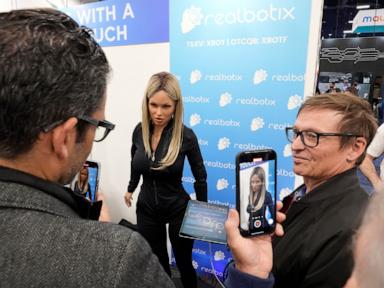
Bringing a life-sized machine into a high school classroom sounds like a sci-fi movie. But it became an immediate reality in upstate New York, and the backlash followed just as fast.
The Salamanca City Central School District thought they found a clever tech upgrade. They dropped nearly $57,590 on an AI-powered humanoid robot named "Sally" with long brown hair and movable arms. Superintendent Mark Beehler envisioned a tool where kids struggling with hardware like Arduino boards could walk up and ask for help. In other developments, we also covered: Inside the Waymo Midnight Crisis Nobody is Talking About.
Instead, the pilot program hit a massive wall. Teachers unionized, state education officials stepped in, and the community pushed back hard. The district was forced to pause the whole rollout.
Here is what actually happened behind the headlines, and why people got so furious. Engadget has analyzed this important issue in great detail.
The Real Spark Behind the Outrage
People did not just panic over a piece of plastic and metal. The anger came from a mix of data privacy fears, weird corporate connections, and deep cultural concerns.
First, the manufacturer, Realbotix, has corporate links to a sister company that builds hyper-realistic adult sex dolls. Even though district leaders and the manufacturer insisted that the educational robotics division operates completely independently, union leaders found the connection unacceptable. Melinda Person, president of the New York State United Teachers, put it bluntly: a machine tied to adult toy manufacturing has zero business inside a classroom.
Second, the location of the pilot sparked heavy local criticism. Salamanca High School sits on the territory of the Seneca Nation of Indians, with nearly 40% of the student body belonging to the Native American community. Residents pointed out that thrusting an untested, creepy piece of automation onto a historic reservation felt tone-deaf and disrespectful.
Add in state-level pressure, and the project collapsed under its own weight. State Education Commissioner Betty Rosa wrote letters demanding answers about student data security, local recording capabilities, and whether Sally was secretly functioning as an unvetted tutoring system.
What Tech Advocates Missed
Proponents argued that rural districts need to expose kids to cutting-edge tools to level the playing field. They claimed the robot would consume little energy, stay offline away from unvetted generative AI, and store all data locally.
That defense missed the human element entirely.
Classrooms are messy, emotional spaces where teenagers learn empathy, deal with conflict, and build trust. Swapping that out for a stationary machine that moves its hands feels like a step backward. Teachers aren't worried about being replaced tomorrow by a robot that cannot even walk. They are worried about a culture that thinks a cold screen or a plastic face can substitute for a human mentor.
Data security is another massive question mark. Parents have every right to ask where student interactions go, how local systems handle authentication, and whether schools are rushing into expensive vendor contracts just to look futuristic.
Where Education Tech Goes From Here
The Salamanca pause proves that throwing money at high-tech gadgets doesn't automatically equal good schooling. Communities want transparency, real human connection, and actual accountability.
If school boards want to teach robotics, they can invest in hands-on labs, coding kits, and well-trained instructors who actually know the students' names. A plastic mannequin with a screen isn't innovation. It is a distraction.