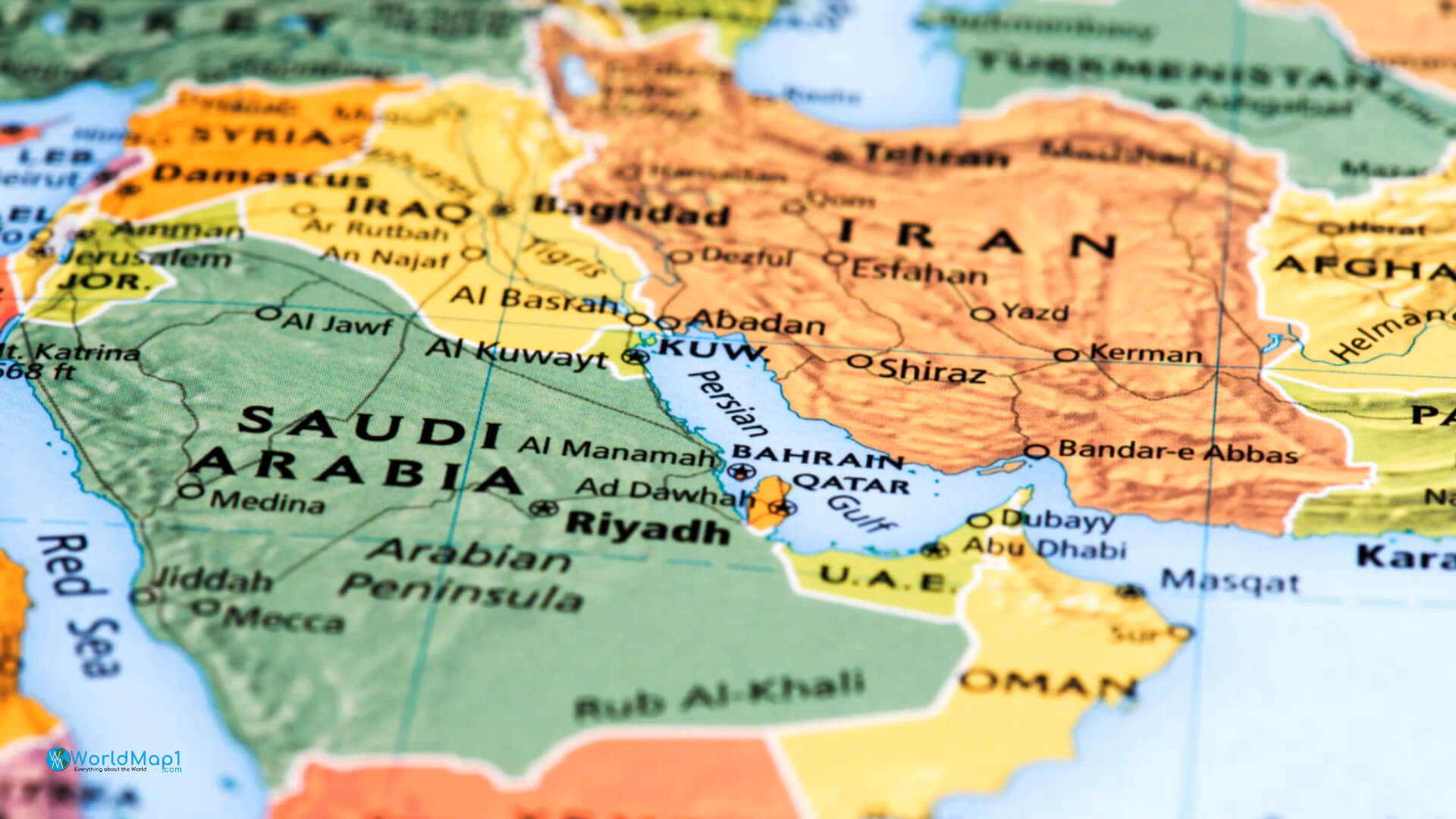
Mainstream sports media is currently obsessed with a lazy narrative. They look at Qatar, the reigning back-to-back Asian Cup champions, and ask a predictable question: can they replicate their continental dominance on North American soil and crash the knockout stages of the 2026 FIFA World Cup?
It is the wrong question.
The pundits are blinded by trophies won in regional bubbles. They look at Qatar’s 2019 and 2024 AFC Asian Cup titles and see a golden generation primed for a global breakthrough. They see a squad with stability, deep pockets, and tournament pedigree.
They are misreading the data.
The harsh reality of international football is that continental dominance in Asia is an incredibly poor predictor of World Cup success. By focusing entirely on whether Qatar can squeeze out of a group, the football establishment ignores a systemic flaw in how Asian teams prepare for elite global competition. Qatar is not building a launching pad for a deep World Cup run. They are trapped in a tactical and structural cul-de-sac that virtually guarantees a swift exit.
The Illusion of the Continental King
Let us dismantle the premise that Asian Cup success translates to World Cup points.
In 2019, Qatar tore through the Asian Cup, scoring 19 goals and conceding just once. They looked revolutionary. Three years later, as hosts of the 2022 World Cup, they delivered the worst performance by a host nation in tournament history: three games, three losses, seven goals conceded, and a solitary, structural breakdown against Ecuador, Senegal, and the Netherlands.
Why did the Asian champions look so utterly out of their depth?
The Intensity Gap
The Asian Football Confederation (AFC) operates at a physical tempo and defensive intensity that is leagues below the standard of UEFA, CONMEBOL, or even top-tier CAF nations. When Qatar dominates in Asia, they do so through superior tactical cohesion and technical comfort on the ball, largely afforded to them by opponents who give them time and space.
In a World Cup environment, that time vanishes. The pressing triggers are sharper. The physical contact is brutal. Qatar's squad, heavily reliant on domestic-based players in the Qatar Stars League (QSL), simply does not experience this weekly intensity.
The Domestic Cage
Every single member of Qatar’s 2024 Asian Cup-winning squad played their club football domestically. While European media often praises this as "telepathic chemistry," elite sporting directors see it for what it actually is: a developmental bottleneck.
When Akram Afif or Almoez Ali play in the QSL, they are the big fish in a highly controlled, low-tempo pond. They are not facing elite center-backs from the English Premier League, Italian Serie A, or German Bundesliga on a Saturday afternoon. Chemistry can mask a deficiency in raw talent against regional rivals like Jordan or Uzbekistan. It gets brutally exposed when facing a mid-tier European or South American side executing a high-intensity press.
Dismantling the "People Also Ask" Consensus
Look at the questions football fans are searching for ahead of the tournament. The underlying assumptions are completely flawed.
"Will Qatar's experience as 2022 hosts help them in 2026?"
No. It will actively hinder them if they draw the wrong conclusions. The only lesson from 2022 was that isolationist preparation camps do not work. Before 2022, the Qatari national team spent months locked away in European training camps, pulled entirely out of competitive league play. The result was a team that looked physically exhausted and mentally fragile under the bright lights of Al Bayt Stadium. You cannot simulate the pressure and variance of elite football in a closed-door camp in Marbella.
"Can Marquez Lopez guide Qatar further than Felix Sanchez?"
Changing the man in the dugout alters the tactical flavor, but it does not change the ingredients. Marquez Lopez did a phenomenal job stabilizing the team to win the 2024 Asian Cup after the chaotic exit of Carlos Queiroz. He implemented a more pragmatic, direct style that maximized Afif’s transitional brilliance.
But pragmatism in Asia looks very different from pragmatism against elite global transition sides. In Asia, Qatar can sit deep and rely on individual quality to win matches on the counter. At the World Cup, if you sit deep without elite physical ball-winners in midfield, you are simply inviting execution by a thousand cuts.
The Math Behind the World Cup Expansion Trap
Pundits argue that the 48-team expansion plays directly into Qatar's hands. More teams mean a diluted talent pool, giving Asia eight direct slots and making the group stage mathematically easier to navigate.
This is a dangerous miscalculation.
The expansion does not dilute the top end of the tournament; it simply increases the number of athletic, high-pressing sides from Africa and North/Central America (CONCACAF) that Asian teams traditionally struggle against.
Consider the numbers:
- In the 32-team format, a team needed roughly 4 points to guarantee progression from a four-team group.
- In the 2026 format, teams are split into 12 groups of four. The top two, plus the eight best third-placed teams, advance to a round of 32.
While a single win and a draw might get a team through as a lucky third-place finisher, it also guarantees they immediately hit a top-tier group winner in the very next round. For a team like Qatar, the expansion doesn't pave a path to glory; it merely adds an extra game of suffering against an elite opponent that will expose their lack of squad depth.
The Hard Truth About Asian Football's Ceiling
I have spent years analyzing how emerging football nations invest capital into youth development and league structures. Nations think money buys footballing DNA. It doesn't. It buys infrastructure.
Qatar’s Aspire Academy is a marvel of engineering and sports science. It produces technically proficient, highly disciplined players. But it cannot manufacture the chaotic, hyper-competitive environment that produces world-class talent.
[Aspire Academy Infrastructure] ➔ Produces Technical Proficiency
[No European Exposure]          ➔ Causes Tactical Stagnation
[Low-Intensity Domestic League] ➔ Results in World Cup Elimination
Look at Japan and South Korea. They have cracked the code, but not because their domestic leagues are world-class. It is because they use their domestic structures as an export engine. They actively push their best talent into Europe, even to second-tier leagues in Belgium, the Netherlands, or the German 2.Bundesliga, precisely to expose them to different physical and tactical cultures.
Qatar does the opposite. Due to massive domestic salaries and subsidized lifestyles, Qatari players have zero financial incentive to move to Europe. They are comfortable. And comfort is the enemy of elite athletic progression. Until Akram Afif is forcing his way into a starting lineup in Spain or France, fighting for his spot every Tuesday in training, his ceiling—and by extension, Qatar's ceiling—remains firmly capped at the Asian continent.
The Playbook for a Real Disruption
If Qatar actually wants to shock the world in 2026, they must abandon the playbook that won them the Asian Cup. They need to embrace an uncomfortable, high-risk strategy.
- Abolish the Defensive Low Block: Sitting deep against World Cup opposition is suicide for a team without elite aerial defenders. Qatar must implement a aggressive, mid-block press designed to disrupt the opponent's build-up before it reaches their defensive third.
- Force Player Exports Now: The football federation needs to subsidize loan moves for their top 5 talent pools to mid-tier European clubs immediately, covering salary differentials to ensure these players face elite opposition weekly before the tournament begins.
- Weaponize Tactical Chaos: Standard tactical shapes get dissected by elite analysts. Qatar must employ asymmetrical formations that overload specific vertical corridors, accepting that they will concede goals, but maximizing their chances of out-scoring opponents in high-variance matches.
Stop asking if Qatar can reach the knockouts based on their continental trophies. The trophies are irrelevant. The real question is whether they have the courage to dismantle the very system that made them kings of Asia in order to survive on the global stage. If they stick to the status quo, the 2026 World Cup will be a brutal replay of 2022. No amount of regional silverware will save them from that reality.