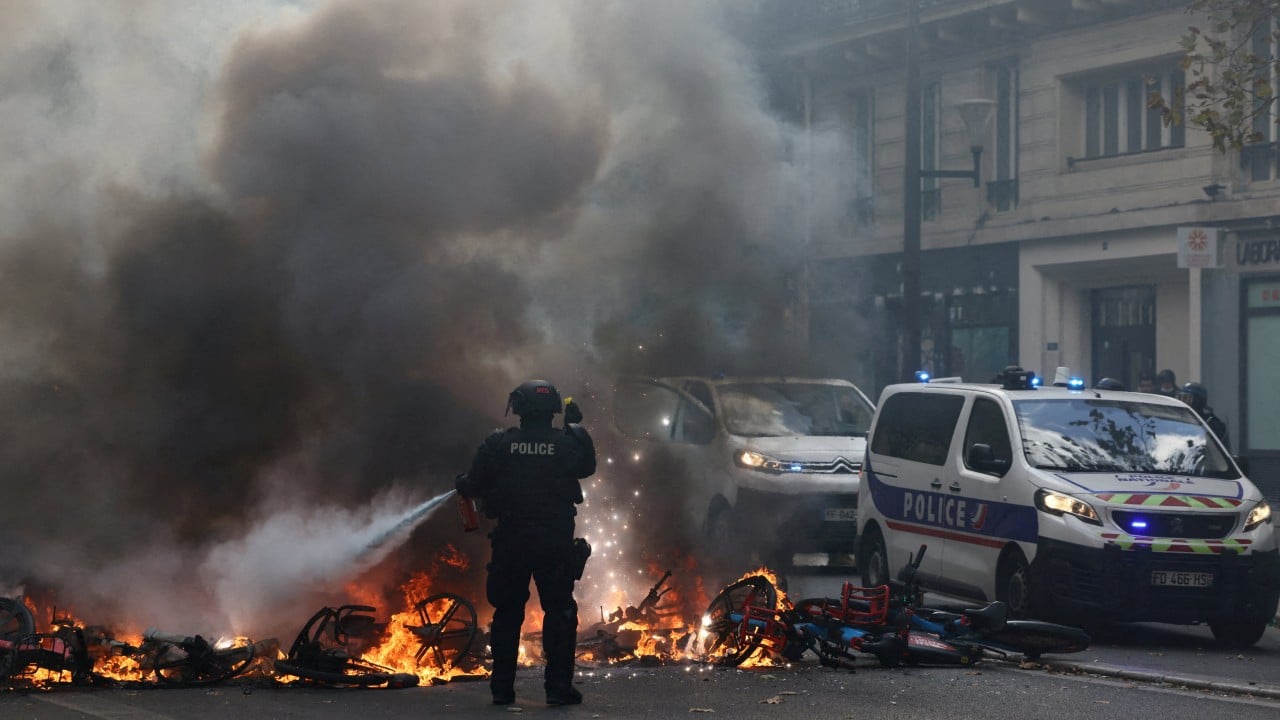
Smoke smells like wet ash and melted plastic. Anyone who has stood on a rain-slicked boulevard three blocks from a burning barricade knows that scent stays in your coat for weeks, a sour reminder that something fragile gave way.
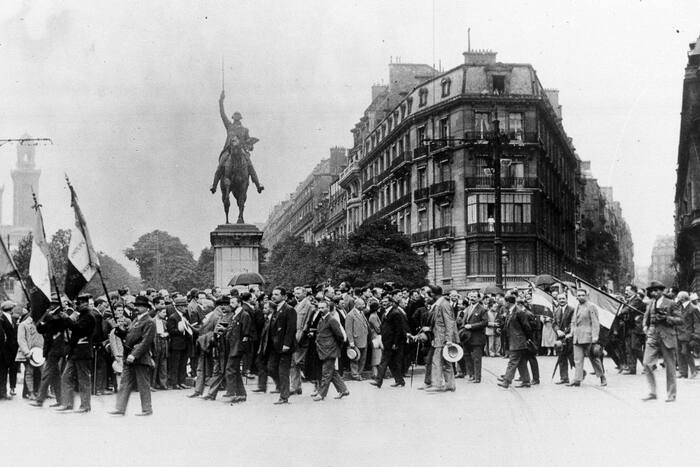
Paris does not burn easily. It is a city built for permanence—Haussmann limestone, wide avenues designed to move troops and carriages, centuries of arguments over liberty and order carved into plaques on corner walls. Yet when unrest erupts in France, the tremors travel fast. A shuttered bakery in Lyon. A cracked storefront window in Marseille. A teenager staring down a line of police shields in a suburb where the commuter train arrives late too often.
Outrage.
That is the cheapest export in modern politics. You do not need a briefing book to manufacture it, and you do not need to walk the pavement to spend it. From thousands of miles away, a single word dropped into a microphone or typed onto a screen can turn real people's bad days into someone else's punchline.
When French President Emmanuel Macron pushed back against foreign leaders who dismissed domestic unrest in France as "stupid," he was not merely defending a ministry of the interior or scoring a point in a diplomatic exchange. He was pushing back against a habit that has quietly poisoned international politics: treating another nation's pain as an easy lesson in how foolish they are.
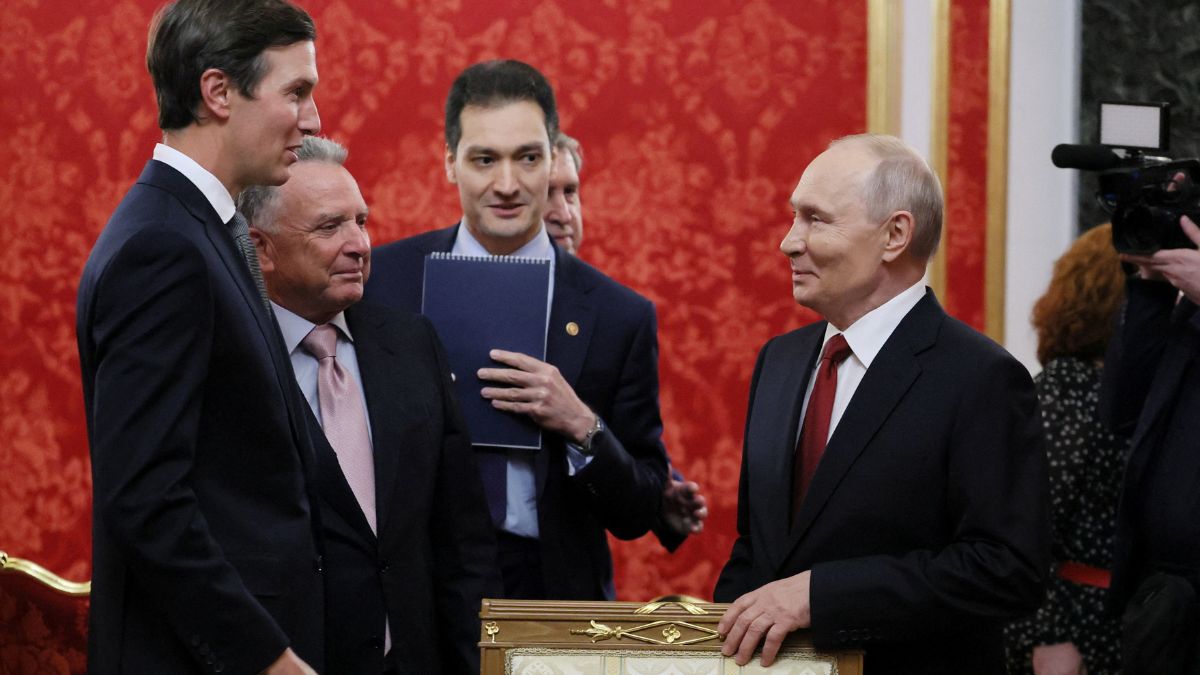
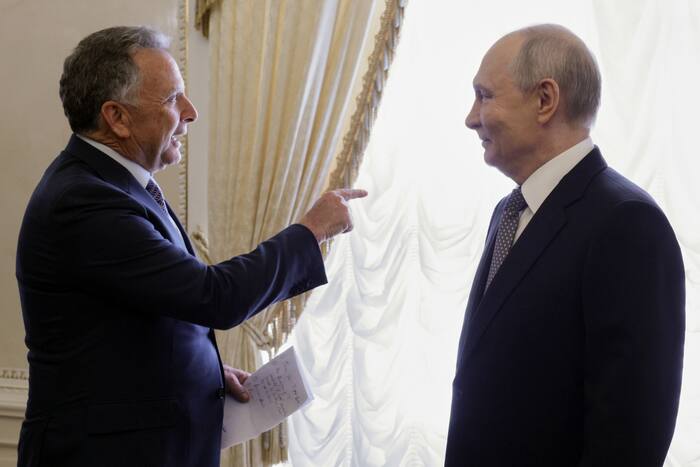
Even when no names are spoken aloud in a press room, everyone in the room hears the echo. Donald Trump's blunt dismissals of foreign cities and allies' domestic troubles have long set a tone of loud, unfiltered judgment. Benjamin Netanyahu, navigating his own fierce battles over security, legitimacy, and national survival, sits in a neighborhood where every phrase carries immediate weight. When leaders trade sharp barbs or dismissive remarks about how another country handles turmoil—whether about France's riots or broader clashes over governance and unrest—the friction is rarely just about policy. It is about pride, sovereignty, and who gets to define what is happening on the ground.
I have spent enough time in newsrooms and along crowded city streets during tense nights to know how wide the gap is between a soundbite and a sidewalk. On paper, a riot looks like a graph of arrested youths, damaged transit lines, and political polling shifts. On the ground, it feels like a grandmother counting the minutes until her grandson gets home safely, or a small shopkeeper sweeping broken glass before dawn while wondering if insurance will cover a dime.
To see how a dismissive remark travels from a podium to a living room, consider a hypothetical scenario. Picture Claire, a school nurse in a mid-sized French city who spends her shifts calming anxious teenagers and patching scrapes after rough evenings in the neighborhood. She is exhausted. She worries about funding for her clinic, about respect for teachers and civil servants, and about young people who feel written off before they even finish secondary school. One night, exhausted at her kitchen table, she watches a foreign leader wave away the entire crisis as "stupid"—a neat, contemptuous label slapped onto a messy, painful reality.
Claire does not suddenly become a political theorist. She just feels smaller. She feels misunderstood by people who have never stood in her hallway or listened to a sixteen-year-old explain why nobody listens anymore.
That is the invisible stake in these diplomatic jabs. When leaders call another country's turmoil "stupid," they rarely mean a careful critique of policing tactics or economic policy. They mean you don't know what you're doing, and I do. It is a performance of strength aimed straight at domestic audiences back home.
The Theater of Easy Contempt
Politics has always loved a foil. Throughout history, rulers have pointed across borders to warn their own citizens what happens when things go wrong elsewhere. In the nineteenth century, conservative commentators in London and Vienna watched French revolutions with a mix of dread and smugness, using Parisian barricades as proof of what happens when people push change too far. Later, rivals across the Cold War divide turned every strike, protest, or economic hiccup into ammunition for ideological scorekeeping.
Nothing about that instinct is new. What has changed is the speed and the megaphone.
Today, a remark made at a rally or a press conference reaches the target capital before the speaker has even sipped their water. Translators scramble. Columnists dissect every syllable. Diplomats read between the lines for veiled shots—a phrase that stops just short of naming names while leaving zero doubt about the target.
Macron's response captured that tension sharply. Leaders of sovereign nations have a duty to answer for their own country's order, justice, and social cohesion, without being lectured from afar by politicians who often face fierce turmoil of their own. If a foreign leader calls a complex domestic crisis "stupid," the reply from Paris is predictable and pointed: governing a diverse, passionate, sometimes volatile society is real work, not a television critique.
Let us be honest with ourselves, though. It is easy to cheer when a leader defends their country's dignity against an unfair jab. It feels good to see someone stand up and say, Do not reduce our struggles to a cheap insult.
Yet there is a catch, and I admit it can make the whole picture dizzying to untangle. Sometimes a leader pushes back against outside criticism not just to protect their citizens' pride, but to shield their own government from uncomfortable questions at home. When rioters set fires or clash with authorities, citizens in France have plenty of real grievances—about cost of living, policing, integration, representation, and civic trust. A fiery exchange with a foreign leader can rally people around the flag for a day or two, while leaving the underlying cracks in the pavement untouched.
Both things can be true at once. A foreign remark can be reckless, arrogant, and unhelpful. And a domestic government can still have hard work to do to earn trust on its own streets.
Why Words Across Borders Hit Harder Than They Used To
To understand why a single word like "stupid" stings so much in diplomacy, it helps to use a simple metaphor. Think of international relations like a long-distance marriage or a tight-knit neighborhood where everyone shares a fence. If your next-door neighbor tells you privately over coffee, "Hey, I think that drainage setup along the wall is going to flood your yard in a heavy storm," you might grumble, disagree, and still listen. If they stand on the sidewalk with a bullhorn and tell everyone on the block that your yard is a mess because you are an idiot, you are going to slam the door and stop talking to them about drainage—or anything else.
Public humiliation closes ears. It turns potential problem-solvers into rivals defending turf.
When leaders trade veiled shots—whether Macron pushing back on dismissive rhetoric associated with Trump, or friction lingering around Netanyahu and broader regional and domestic flashpoints—the real casualty is trust. Modern democracies already struggle with deep polarization inside their own borders. When prominent leaders talk past each other with sarcasm and disdain, they model that exact behavior for millions of citizens watching at home.
Think about how contagious tone is. If the people at the top treat disagreement as stupidity rather than a clash of interests, fears, or perspectives, why would anyone else lower their voice?
And look at the timing of these clashes. Democracies across the Western world are all wrestling with overlapping pressures at once: inflation that makes groceries and rent feel heavier every month, rapid technological shifts that unsettle jobs and attention spans, anxieties over migration and identity, and deep fatigue with institutions that feel slow or distant. When a fire breaks out in one house while another house has smoke curling from the eaves, mocking the neighbors' bucket brigade is poor strategy.
What People Actually Ask When the Dust Settles
Whenever unrest hits a major country and foreign leaders weigh in with sharp remarks, ordinary people start asking practical, urgent questions. Usually, the questions sound simple on the surface, even when the answers are tangled.
First, people wonder whether a foreign leader's insult actually changes what happens on the street. Rarely in the short term. A police officer holding a line in a rainy square does not change tactics because a politician thousands of miles away used a dismissive adjective. Rioters do not go home because of a diplomatic rebuke, nor do they march harder because of a foreign tweet. What does change is the diplomatic weather—cooperation on intelligence, trade, security, and shared crises gets stickier when leaders feel disrespected.
Second, people ask why leaders use veiled shots instead of naming names directly. Diplomacy is a dance of plausible deniability. By framing a response around principles—respect, responsibility, serious governance—rather than turning it into a personal mudslinging match, a president like Macron can draw a firm boundary while keeping a sliver of room to work with Washington or Jerusalem later if necessity demands it. Everyone catches the subtext anyway. Politics is mostly subtext.
Third, people ask a harder question, the one that lingers long after the news cycle moves on: Who actually pays for the noise?
Let us return to a hypothetical character to see the cost clearly. Imagine Tariq, a young delivery rider in a bustling city who works long shifts in cold rain to help support his family. During periods of unrest, curfews tighten, streets close, tempers flare, and suspicion rises against anyone who looks out of place or moves fast through a tense neighborhood. Tariq does not care about diplomatic point-scoring between capitals. He cares whether he can get home without being stopped, questioned, or caught in a clash between protesters and authorities. To him, leaders trading snide remarks about "stupid" situations look detached from the daily grind of keeping life moving.
That detachment is what breeds cynicism. When people feel that distant leaders—both abroad and at home—treat real hardship as a stage for bravado, faith in public life erodes a little more.
Beyond the Barricade and the Podium
There is a temptation in commentary to treat every clash between strong-willed leaders as a heavyweight boxing match, complete with scorecards and winners. Who landed the cleaner jab? Who looked tougher? Who had the sharper line?
Boxing makes great television. It is a terrible way to govern.
Real leadership in moments of unrest is quieter and much less glamorous than trading insults across oceans. It means listening to mayors and local officials who actually know which neighborhoods are fraying. It means addressing the economic and social pressures that push young people toward anger in the first place, while firmly upholding the rule of law so innocent people are safe. And internationally, it means recognizing that criticizing another country's struggles with contempt rarely helps fix them—it usually just makes the other side dig in.
None of this means leaders must stay silent when they see danger or error. Honest candor between allies can be valuable. There is a world of difference, however, between serious concern and casual mockery. One invites dialogue; the other invites resentment.
As the smoke clears from any street clash, the cameras eventually pack up. The foreign soundbites fade into archives and highlight reels. What remains is the everyday work of rebuilding trust—between citizens and institutions, across neighborhoods, and among nations that cannot afford to treat one another with contempt.
Rain still falls on the cobblestones, washing away the last traces of soot, while the people who live there have to look each other in the eye the next morning.