Rain smells different in a town waiting to be noticed. It carries wet stone, cold iron from shuttered shopfronts, and a sharp, metallic edge that clings to your coat long after you step inside.
I have stood under that rain in post-industrial towns and coastal boroughs where the high street feels like a set from a play that closed three weeks early. You hear the hum of a freezer in a corner chemist. You watch a teenager in a school blazer kick a flattened aluminum can across wet cobbles while a bus rolls past with two passengers on the upper deck. Nobody looks angry. That is the hardest part. Anger has heat in it. What you feel instead is a slow, polite resignation—the sense that history happened somewhere else, or twenty years ago, and the future is just a spreadsheet being balanced in a distant ministry.
Then a cultural bid arrives, and suddenly the air changes.
Four places are in the running to hold the UK City of Culture title in 2029. On paper, a shortlist of four contenders looks tidy, bureaucratic, almost clinical—a row of names on a press release waiting for a panel's verdict. In reality, each contender represents hundreds of thousands of ordinary mornings, bruised civic pride, cash-strapped councils trying to stretch every pound until it squeaks, and creative workers who stayed put when everyone else told them to move to London or Manchester.
Let's be honest right away about what I am doing here. Because I am writing a narrative essay rather than publishing an official ministry dossier, I am using hypothetical characters—clearly marked as such—to show how abstract policy choices land on real kitchen tables. And I am using metaphor to translate economic and cultural mechanics into something you can feel in your chest. A title does not pave a road or heat a council flat by itself. Yet it can act like a tuning fork struck against old glass: if the note is true, the whole room hums.
Why a Title Feels Like a Lifeline When Budgets Shrink
People often ask a fair, skeptical question when they hear about a year-long cultural designation: Does a festival actually fix anything, or does it just throw confetti over cracks in the pavement?
I have asked that exact question myself while sitting in draughty community halls where the boiler clanked like a dropped spanner and the grant application on the table was thirty pages long. Culture can look frivolous when bins are missed or youth clubs close their doors on Tuesdays. Anyone who pretends art solves structural poverty overnight is selling snake oil.
Think of a cultural bid not as the feast itself, but as the scaffolding that lets neighbors reach the upper wall.
Over the past decade and a half, the UK City of Culture designation—first held by Derry-Londonderry in 2013, followed by Hull in 2017, Coventry in 2021, and Bradford in 2025—has become more than a calendar of exhibitions and gigs. Earlier editions showed how an influx of national attention, match funding, and volunteer energy could pull visitors into places that rarely topped holiday brochures, while also exposing how hard it is to keep momentum going once the banners come down. By the time 2029 rolls around, every shortlist contender knows the prize comes with scrutiny as much as spotlight. Every pound spent is counted twice. Every community group wants a seat at the table.
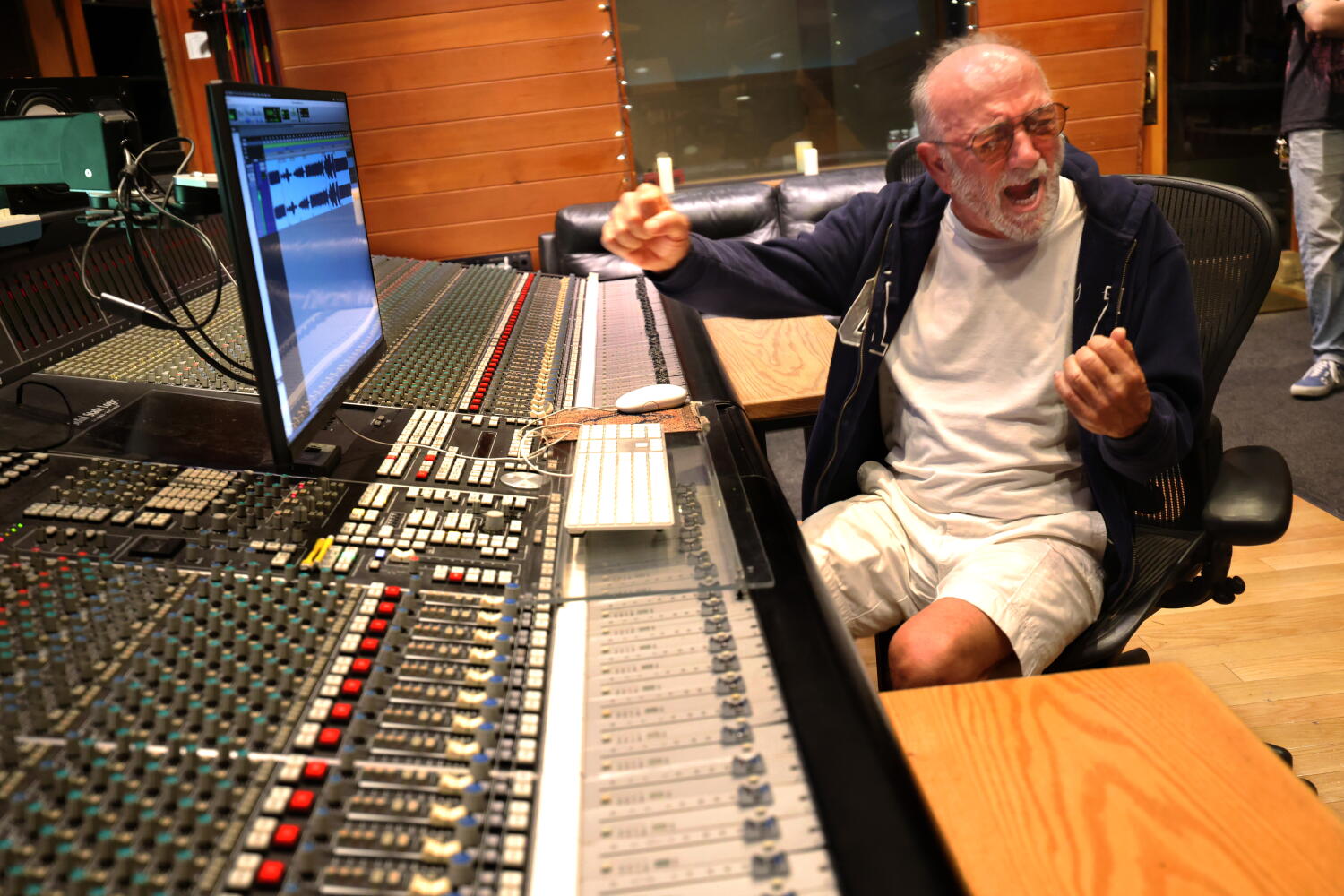
Hypothetical scenario: Picture Callum, a sound engineer in his late thirties who runs a tiny studio above a dry cleaner in one of the four shortlisted places. Callum never planned to become an activist. He just wanted decent acoustic panels, local bands who could afford two hours of mixing time, and a reason for his twelve-year-old niece not to treat the local train station as an escape hatch. When the shortlist drops, Callum's phone lights up with messages from a printmaker, a youth theater director, and a cafe owner who bakes cardamom buns until her wrists ache. Suddenly they are not four isolated people squinting at invoices. They are part of an argument about what their home is worth.
That shift—from isolation to shared leverage—is what makes a shortlist electric. When a place is shortlisted for UK City of Culture 2029, it gets permission to dream out loud in front of people who usually only read regional figures on a screen.
Four Contenders, Four Different Kinds of Hunger
Whenever four places compete for the same crown, outsiders tend to flatten them into rival sports teams. One gets cast as the gritty underdog. Another gets labeled the safe bet. A third is written off as too quiet, or too loud, or too far from the rail line.
That lazy shorthand misses the texture of each place. Every shortlisted location brings its own history, its own friction points, and its own version of courage. A coastal town looks at the tide and sees both beauty and erosion; a manufacturing hub looks at brick mills and sees ghosts that could become studios if someone turns the lights back on.
Consider what happens next in a town's civic life when that spotlight arrives. Shopkeepers start sweeping the step outside before nine. Buskers test their amps near the market cross. Local historians dig through cardboard boxes in loft spaces where damp newsprint smells like cloves and cellar air.
Hypothetical scenario: Meet Nadia, a secondary school art teacher in a second shortlisted location. For years, Nadia has watched creative subjects squeezed into corners of the timetable while budget cuts thinned out school trips. One afternoon in November, two of her Year 10 students ask if they can paint a mural on a boarded-up shopfront near the bus depot—not as vandalism, they insist, their faces earnest and slightly defensive, but because the boards make the street look asleep. Nadia feels that familiar tug of caution. Permissions take weeks. Paint costs money. Apathy is easier. Yet the shortlist buzz gives her a sliver of courage to pick up the phone and ask the council's regeneration officer what is possible.
Not every bid succeeds on the first try. Many places apply more than once, taking a bruising knock when the final winner is announced, licking their wounds, and deciding whether to shelve the plan or keep building anyway. That is another truth worth saying plainly: losing the title hurts. Pride takes a hit. Volunteers who spent nights drafting proposals feel the sudden quiet when the news breaks.
Still, the work done during a bid rarely vanishes into thin air. Partnerships forged between libraries, community centers, independent venues, and schools often outlast the competition itself—provided local leaders refuse to treat culture as a seasonal decoration rather than civic infrastructure.
The Invisible Stakes Beneath the Headlines
When you read coverage of a major cultural competition, the loudest numbers usually involve visitor projections, hotel bookings, or capital grants. Those numbers matter. Without money, stages stay dark and technicians cannot pay rent.
Yet the deeper stakes are quieter and harder to measure on a spreadsheet.
- Who gets to tell the story? In many places outside major capital hubs, national media only shows up during a crisis, a strike, or a freak weather event. A cultural bid lets locals speak in their own cadences rather than serving as background extras in someone else's headline.
- Who stays, and who leaves? Young people rarely leave a hometown solely because of wages; they leave when there is nothing to do after six o'clock and nowhere to try something weird without being judged.
- Who feels included? A shiny arts center on the edge of town means very little to a family living two estates away if ticket prices feel out of reach or the programming ignores their street.
I have seen cultural programs succeed brilliantly when they start in a community center over lukewarm tea and biscuits, and I have seen glossy launches flop because nobody bothered to ask residents what they actually wanted to see. Authenticity is stubborn. You cannot fake it with a clever tagline or a slick promotional video. People in a tight-knit town spot posturing from fifty yards away.
Hypothetical scenario: Imagine Tariq, who drives a delivery van early in the morning and coaches under-fourteens football in the evenings on a third shortlisted contender's patch. Tariq doesn't spend weekends in gallery openings. His world is mud on shin pads, rain on windshields, and kids arguing over throw-ins until the floodlights click off. When someone asks him what UK City of Culture 2029 means to his lads, Tariq shrugs and says, "Means maybe one of 'em sees someone from round here on a big screen or a stage and thinks, 'Alright, I can have a go at that too.'"
That is not marketing copy. That is human ambition dropping its guard.
What Happens When Local Pride Meets Real Friction
Optimism makes for good reading, but real life has teeth. Every bid runs straight into friction—rising energy bills, tight council reserves, skeptical residents who worry that new crowds will push up rents or clog narrow streets, and artists who worry that corporate sponsors will smooth off the sharp edges of local work.
Doubt is healthy here. If a civic project has zero critics, it probably isn't reaching far enough.
Think of a town's identity like an old wool sweater pulled tight across cold shoulders. Pull too hard in one direction and the seam splits; leave it folded in a drawer and the moths get to it. Balancing ambition with care requires patience that modern news cycles rarely reward. People want instant verdicts, tidy winners, and neat resolutions. Real places move in zigzags.
Hypothetical scenario: Picture Maeve, a freelance lighting designer returning to a fourth shortlisted place after a decade working on touring productions elsewhere. She comes back carrying flight cases, scuffed boots, and a head full of tricks, expecting everyone to welcome the prodigal daughter with open arms. Instead, she finds skepticism. Local crew members want to know if she is taking work from people who stuck out the lean years. Community organizers want assurances that flashy productions won't swallow small grassroots nights whole. Maeve has to swallow her ego, listen more than she talks, and figure out how outside skill can strengthen local hands rather than eclipse them.
That tension is where growth actually happens. Not in press releases, not in glossy brochures, but in awkward conversations across trestle tables where people who rarely cross paths try to build something durable together.
The Long Echo After the Spotlight Moves On
No matter which of the four contenders claims the UK City of Culture 2029 title, one certainty stands above the rest: 2029 will arrive, spend twelve months filling streets with noise, color, debate, and memory, and then give way to 2030.
The real test begins the morning after the final curtain falls. Do the rehearsal rooms stay open? Do the young people who helped stage an outdoor show keep showing up? Do local councils keep treating creativity as part of everyday life rather than an emergency flare sent up when morale dips?
I think back to that rainy high street where we started—the hum of the fridge, the wet cobbles, the quiet dignity of people getting on with a hard day. A title cannot erase every struggle those streets face. It can, however, remind a place of its own pulse, steady the hands of people trying to build from the ground up, and prove that being overlooked is not the same thing as being finished.
On a damp Tuesday night years from now, long after the banners are folded away, a kid with paint under her fingernails might walk past a lit window where neighbors are rehearsing a play about their own backyard, stop for a second, and decide to knock.