Cold.
That is the first thing you notice when you step out onto an Oklahoma prairie before dawn, long before the sun clears the horizon to turn the tallgrass into molten copper. Breath plumes white in the truck cab. Outside, gravel crunches beneath heavy rubber boots, and the wind carries the sharp, clean scent of sage, damp earth, and old iron. If you enjoyed this piece, you should check out: this related article.
For decades, men and women working ranches across Grady, Caddo, or Osage County have lived by a rhythm older than quarterly earnings reports. You wake up early. You check the fences. You haul round bales before the frost settles hard into the ground. You watch the sky because rain decides whether the grass grows or dies, and you watch the market because cattle prices decide whether the bank smiles or frowns at spring refinancing.
Yet over the past several years, a quieter, more relentless pressure has crept into the cab of every pickup and tractor on those ranches. Diesel. For another perspective on this story, see the latest update from Business Insider.
A standard headline might reduce that shift to a sentence about fuel costs squeezing agricultural margins. Dry. Neat. Easily scrolled past over morning coffee. On the ground, though, soaring diesel prices do not arrive as an abstraction on a commodity ticker. They arrive as a math problem written in sweat, deferred repairs, and hard choices at the kitchen table.
To see how that math plays out in real life, consider a hypothetical ranching family—let us call them Tom and Clara Miller—running a cow-calf operation on a few thousand acres of rolling pasture outside Chickasha, Oklahoma. This is a hypothetical scenario built around the real mechanics of modern ranching rather than a single documented household, and it illustrates how fuel volatility ripples through every corner of an operation.
When Every Mile Costs More Than You Planned
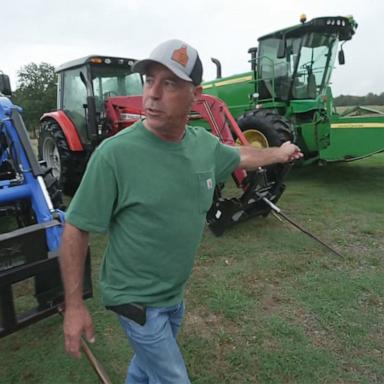
Tom starts the day with a walk around the yard that has nothing to do with cows. First comes the hay trailer. Then the flatbed. Then the older tractor with the faded paint that still starts reliably if you give the glow plugs a few extra seconds of patience.
In a typical year, a working cattle ranch burns diesel across almost every phase of production. Running a tractor to shred brush or pull a disc takes fuel. Hauling round bales from a leased hayfield ten miles down the county road takes fuel. Towing a stock trailer to the sale barn takes fuel. Even the pickup trucks used to check water troughs and mend broken wire add up over thousands of miles of dirt and two-lane blacktop.
When diesel spikes, the cost does not hit just one line item. It compounds.
Picture Tom standing beside the fuel tank on a Tuesday morning, watching the pump meter climb faster than his stomach wants to allow. A single fill-up on a heavy-duty pickup or farm tractor can easily run into the hundreds of dollars depending on tank size and regional pump prices. Multiply that by the weekly grind of hauling feed through winter mud or moving cattle between pastures, and fuel stops looking like a routine overhead expense. It starts looking like a tax on motion itself.
And ranching, by definition, requires motion. Cattle do not stay neatly parked in one spot waiting for feed to come to them. Grass gets grazed down. Ponds dry up or freeze over. Predators test fences. Calves need attention at odd hours. If you stop moving to save fuel, the ranch falls behind; if you keep moving at full throttle while diesel stays elevated, cash leaves the checking account faster than calf sales can replenish it.
I have stood in dusty farmyards and felt that exact knot in the chest—the quiet dread of watching a tank gauge drop while knowing the work still has to get done before dark. You don't need an economist to explain margin compression when you are staring at a fuel receipt that could have bought replacement wire or paid for a vet call.
Why Ranchers Cannot Simply Pass the Bill Along
A natural question comes up whenever input costs jump in any business: why not just raise the price of beef?
If only it worked that cleanly on the open range.
Most Oklahoma ranchers operate as price-takers, not price-makers. A cow-calf producer typically raises calves to weaning or backgrounding weight and sells them at auction or through regional marketing channels. The price received at the sale barn reflects broad supply and demand across the cattle cycle, feedlot demand, drought conditions, packer capacity, and broader macroeconomic forces—not what a specific rancher paid at the pump last month.
To understand the difference, use a simple analogy. Imagine running a bakery where the price of flour, sugar, and electricity doubles overnight, yet local custom locks the price of a loaf of bread to a board across town that moves on its own schedule. You can bake fewer loaves, work longer hours yourself, or trim every penny of waste, but you cannot simply write a new price tag on every loaf and expect buyers to absorb your fuel bill.
Ranchers face a similar squeeze from both directions. On one side sit volatile input costs: diesel, fertilizer, fencing materials, mineral supplements, and equipment parts. On the other side sits a biological timeline that refuses to be rushed. It takes roughly nine months for a cow to carry a calf, another six months or so before that calf is weaned, and often longer depending on the production model. You cannot flip a switch and turn calves into cash in forty-eight hours when fuel prices jump.
Even when cattle markets are strong, higher diesel erodes the cushion that helps ranchers survive lean stretches. That cushion matters enormously in Oklahoma, where weather swings from blistering summer heat and flash drought to ice storms that test every fence post and shelterbelt.
The Invisible Trade-Offs Inside the Fence Line
High fuel prices rarely force a ranch to shut its doors in a single dramatic day. Instead, they force a series of quiet compromises that outsiders rarely see.
Back in our hypothetical Chickasha operation, Clara sits at the table at night with a notepad and a stack of invoices. Nothing looks dramatic on the surface. The cattle still have hay. The dogs still bark at coyotes near the creek. Yet every decision carries a hidden trade-off.
- Consolidating trips: Instead of making three separate runs into town for parts, feed, and groceries, errands get bundled onto one day—even if that means waiting longer for a needed part or spending hours on the road in a single stretch.
- Delaying non-urgent maintenance: Grading a washed-out ranch road or clearing encroaching cedar might wait another season so diesel is saved for hauling hay and moving livestock.
- Rethinking leased ground: A pasture located twenty miles away might suddenly feel much farther when every round trip burns extra gallons of fuel.
- Stretching equipment life: Buying a newer, more fuel-efficient tractor or truck makes sense on paper, yet high interest rates and steep equipment prices can make holding onto older machinery the only realistic choice.
None of these choices are glamorous. None of them make a splashy chart. Yet together, they reshape daily life on the land.
There is also a psychological weight that is hard to measure. Ranching already demands high tolerance for uncertainty—weather, disease, interest rates, market swings. When fuel costs surge unpredictably, budgeting feels like trying to hit a moving target in the dark. You plan around one set of numbers in January, and by midsummer the arithmetic has shifted beneath your boots.
I will admit something candidly here: trying to forecast fuel markets can humble anyone. Global crude supply, refining capacity, geopolitical tensions, seasonal demand shifts, and freight bottlenecks all collide in ways that routinely surprise seasoned analysts, let alone someone trying to keep a herd watered in August. That uncertainty is part of what makes the squeeze so frustrating. A rancher can work fourteen hours a day, manage rotational grazing with precision, and keep meticulous records, yet still get clipped by a fuel spike driven by forces thousands of miles away.
Ripple Effects Far Beyond the Pasture
What happens on an Oklahoma ranch does not stay fenced inside Oklahoma.
Beef production is a multi-stage supply chain. Calves born on cow-calf ranches often move to stocker operations on winter wheat or native grass, then to feedlots, and eventually into processing and retail distribution. Diesel powers movement at nearly every link of that chain—hauling cattle, transporting grain and forage, running farm machinery, and moving chilled or frozen product down interstate highways.
When fuel costs climb across agriculture and freight, pressure builds across the entire food system. Individual ranchers may absorb part of the hit through thinner margins and longer hours, while other costs gradually ripple outward toward wholesalers, grocers, and households.
At the same time, healthy working ranches provide benefits that go far beyond steaks and burgers. Well-managed grazing lands help maintain open space, support wildlife habitat, manage wildfire fuel loads in some landscapes, and keep rural communities alive. Rural feed stores, equipment dealerships, veterinarians, welders, and local cafes depend on active agricultural operations spending money locally. When high input costs drain cash out of a rural county to pay for fuel, everyone in that orbit feels a little less breathing room.
Historically, American agriculture has weathered fuel shocks before—most famously during the energy crises of the 1970s, when sudden spikes in fuel and fertilizer prices collided with shifting interest rates and land values and left deep scars across rural America. That history shows two things clearly: farmers and ranchers are remarkably adaptable, and prolonged cost shocks leave lasting marks on balance sheets and family decisions.
Searching for Room to Breathe
When fuel costs bite hard, ranchers do not simply throw their hands up. Over time, producers look for practical ways to claw back efficiency without sacrificing animal care or land health.
Some tighten up grazing rotations so cattle harvest more forage themselves rather than relying as heavily on hauled hay. Others look closely at route planning, equipment maintenance, fuel storage and bulk purchasing options when cash flow allows, or off-farm income to stabilize household bills during volatile stretches. Precision planning and honest cost-per-head accounting become essential habits rather than optional extras.
Still, efficiency has limits. You can tune an engine, plan every mile, and cut every unnecessary trip, yet a diesel engine still needs diesel to turn over. Efficiency softens the blow; it does not repeal physics or fuel prices.
Real relief for working ranchers usually comes from a combination of steadier energy costs, healthy cattle markets, predictable borrowing conditions, and policies that recognize how thin margins can be in primary production. Until those pieces line up, resilience comes down to grit, sharp pencil work, and neighbors looking out for one another when times get tight.
The Last Gate at Sundown
By late afternoon, the wind on the prairie often drops, and the sky turns a deep, bruised violet before night settles in.
A rancher latches the last pasture gate, climbs back into the truck, and turns the key. The engine catches with a familiar low rumble. Out beyond the headlights, silhouettes of cattle stand quietly in the tall grass, chewing cud under a sky beginning to fill with stars.
Tomorrow, the sun will come up again. The fences will still need checking. The fuel gauge will still matter. And out on the Oklahoma prairie, keeping a herd alive will still cost far more than the price printed on the pump.