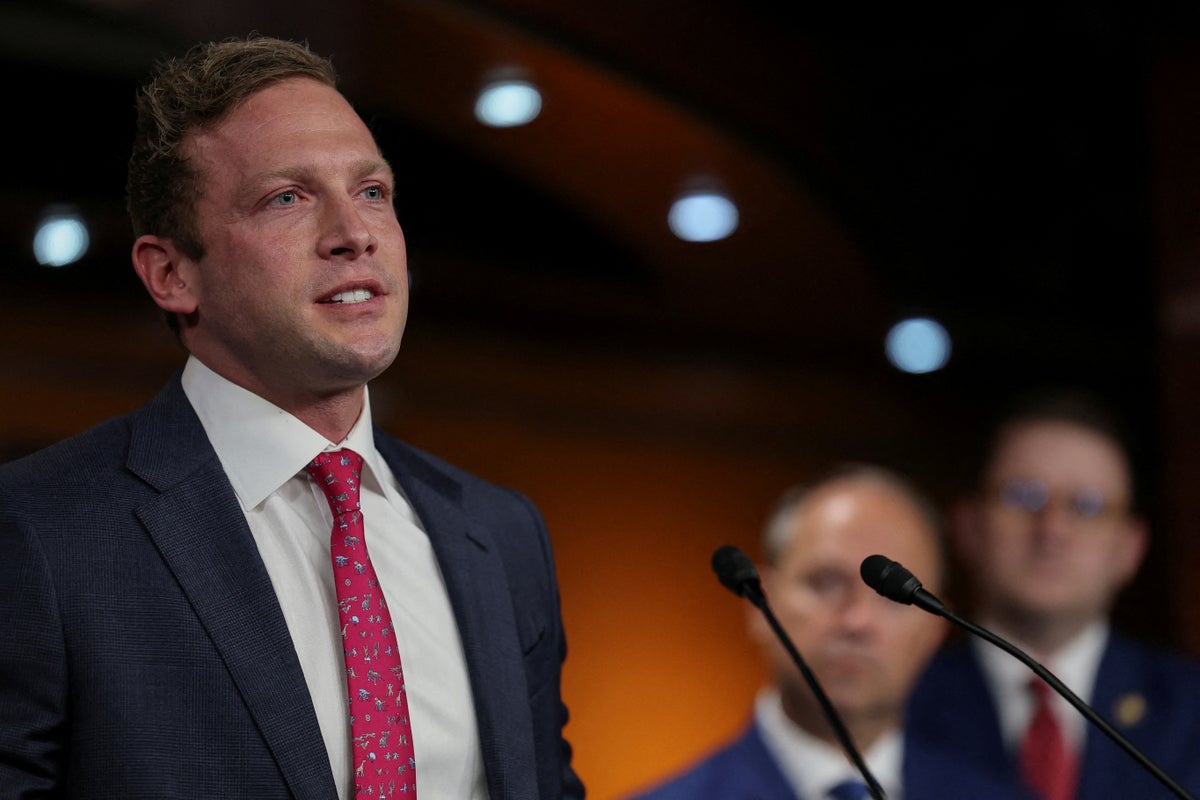
Campaign finance in modern American politics has long operated as a transactional engine where ethics routinely take a back seat to survival. The refusal of several congressional candidates to return campaign contributions from embattled Representative Max Miller reveals a calculating mindset within party politics. When allegations of domestic abuse surfaced against Miller—originating from legal battles with his ex-wife and supported by statements from prominent political figures—basic political calculus should have triggered an immediate financial purge. Instead, many incumbent lawmakers chose silence, evasion, or outright defiance. Understanding why these candidates clutch tainted donations requires looking past the public outrage and examining the cold arithmetic of campaign treasuries.
The Mechanics of Political Taint
Money in federal elections is categorized, tracked, and fiercely protected. Once a contribution enters a campaign account, it becomes an asset used for airtime, polling, direct mail, and staff salaries. Returning donations is not a simple administrative keystroke. It requires acknowledging that the original source carries a reputational cost.
For vulnerable incumbents fighting tight midterm races, every dollar matters. A campaign chest is a buffer against political mortality. When faced with contributions tied to a figure facing severe personal misconduct allegations, candidates weigh the abstract value of moral consistency against the concrete danger of losing a funding advantage.
- Contributions from colleagues often carry networking value beyond the initial check.
- Incumbents prioritize maintaining alignment with specific factional networks over public relations optics.
- Returning funds draws unwanted media attention to a candidate's own fundraising vulnerabilities.
The Cost of Compliance
Why do candidates risk blowback from constituents and editorial boards by keeping the money? The answer lies in the weaponization of campaign finance by opposing political committees. If one candidate returns funds, opponents instantly frame that action as a belated admission of guilt by association. The news cycle shifts from a localized policy debate to a referendum on candidate judgment.
Conversely, staying silent is treated as a calculated risk. Many strategists operate under the assumption that local voters care far more about inflation, local job markets, and healthcare than internal congressional scandals. Silence is a shield. It prevents a localized controversy from metastasizing into a national news story that consumes campaign bandwidth.
"A campaign dollar is a hard-won asset that candidates are loath to surrender, regardless of the ethical temperature of the original donor."
The Hollow Rhetoric of Accountability
Accountability in political fundraising usually arrives only when the electoral penalty for inaction outweighs the financial benefit. When political survival is threatened by scandal, campaign treasurers act quickly. Yet, in many districts where incumbents have chosen to keep Max Miller's cash, the partisan lean of the electorate provides a buffer against immediate electoral consequences.
Consider a hypothetical district where a congressional seat leans heavily toward one party by double digits. In such an environment, primary challengers or general election opponents face an uphill battle convincing a partisan base to abandon an incumbent over third-party controversies. Candidates calculate that base voters will ultimately hold their noses and vote along party lines rather than cross the aisle over campaign donation provenance. This structural safety net allows lawmakers to ignore calls for moral hygiene.
Breaking the Cycle of Convenience
The reluctance to disavow tainted money exposes a structural flaw in how political parties police themselves. Ethics committees and leadership PACs function to protect the collective majority rather than enforce rigorous ethical standards. As long as campaign treasuries treat donations as unencumbered capital, ethics will remain secondary to arithmetic.
The pressure surrounding these funds will eventually fade from the headlines, replaced by the next cycle of political outrage. Until campaign finance laws mandate automatic forfeiture of funds tied to substantiated misconduct, candidates will continue to protect their bottom lines at the expense of their public standing.