Three corporate entities have agreed to pay more than $4 million to settle federal civil claims arising from the catastrophic 2020 El Dorado Fire, a blaze ignited by a pyrotechnic gender reveal device in Yucaipa, California. Wholesale Fireworks Corp., American Fireworks Wholesale LLC, and Pink or Blue Gender Team Inc. struck the deal with the U.S. Department of Justice to resolve allegations that they designed, imported, and marketed an illegal, defectively labeled product without adequate warnings.
The settlement addresses a critical gap in wildfire accountability. While headlines initially focused on the reckless actions of the expectant parents, this resolution targets the commercial pipeline that profits from bringing hazardous, non-compliant pyrotechnics into drought-stricken regions.
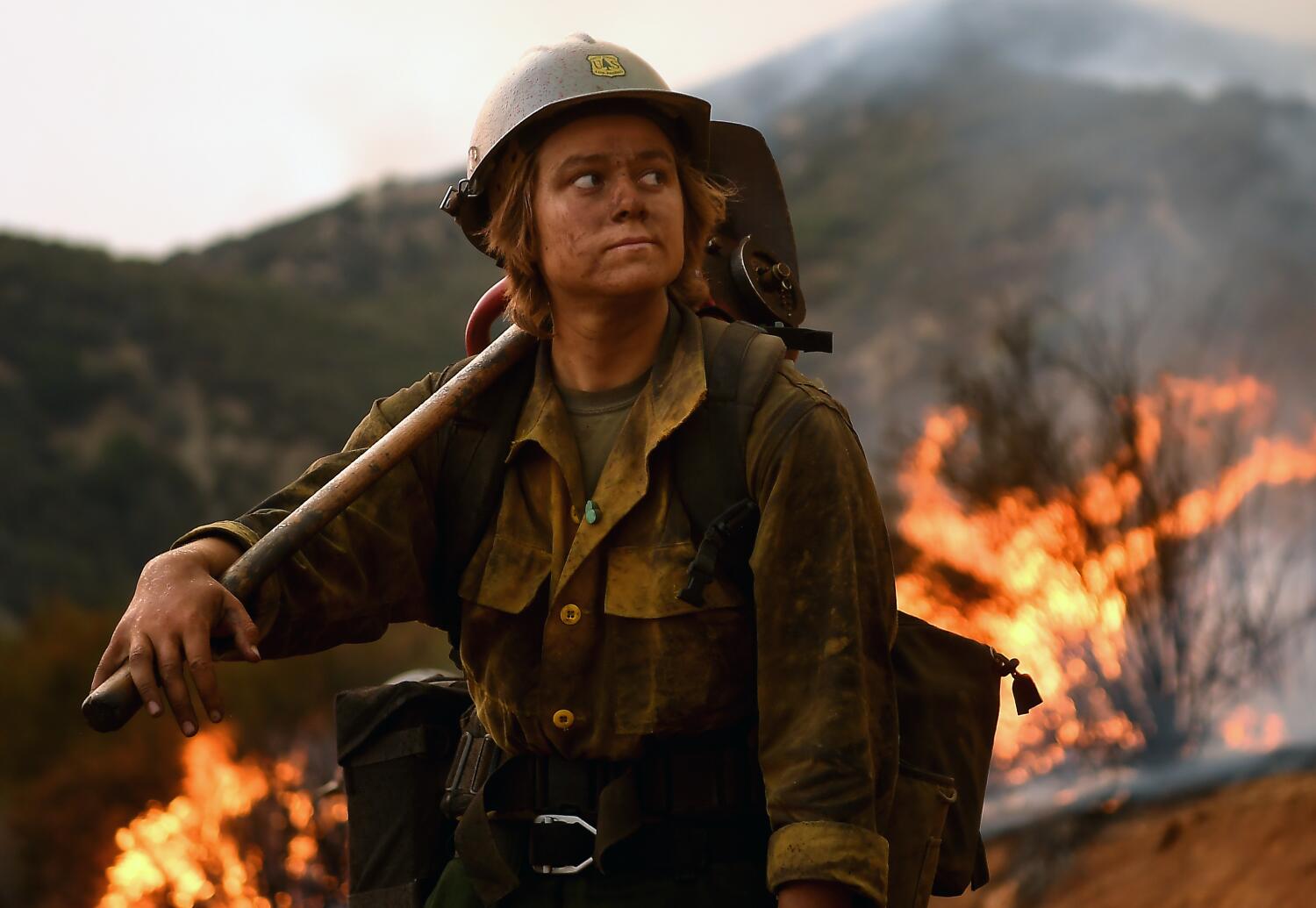
The El Dorado Fire was not an isolated tragedy, but a predictable outcome of unregulated novelty manufacturing intersecting with severe environmental vulnerability. On September 5, 2020, temperatures in San Bernardino County soared well above normal. The landscape was a tinderbox. When the expectant couple ignited the smoke-generating device at El Dorado Ranch Park, the dry grass caught immediately. The ensuing inferno burned for over 70 days, blackened 22,744 acres, destroyed multiple homes, and claimed the life of Charles Morton, a veteran squad leader with the Big Bear Interagency Hotshots.
Public outrage focused squarely on the individuals. The criminal justice system responded accordingly. Refugio Manuel Jimenez Jr. pleaded guilty to felony involuntary manslaughter and was sentenced to a year in county jail, while Angela Renee Jimenez received probation for misdemeanor counts. Together, they were ordered to pay $1.8 million in victim restitution. Yet, individual prosecution does nothing to stop the flow of illicit incendiary novelties into fire-prone territories.
The Department of Justice shifted its focus to the supply chain in a civil lawsuit filed in September 2023. Federal prosecutors alleged that Ohio-based Wholesale Fireworks Corp. and its subsidiary, American Fireworks Wholesale LLC, designed and imported the defective devices. Pink or Blue Gender Team Inc., a Florida-based company, marketed them. The government argued that these firms knew the inherent fire risks of their products but failed to provide proper warnings or safe labeling. More critically, the smoke bombs were illegal under California health and safety laws. They should never have crossed the state line.
Corporate defense teams routinely attempt to shield themselves behind the doctrine of intervening negligence. The manufacturers argued that the reckless misuse of the device by the end-consumer severed their own liability. U.S. District Judge Maame Ewusi-Mensah Frimpong rejected that premise. Multiple entities can be held legally responsible for a single injury if their actions form an unbroken chain of causation. Designing an illegal, poorly labeled incendiary device and shipping it to a desert environment constitutes a foundational link in that chain.
The financial terms of the settlement reveal a stark asymmetry in corporate accountability. Wholesale Fireworks Corp. and its subsidiary will absorb the bulk of the penalty, paying $4 million to resolve claims brought on behalf of the U.S. Forest Service. Pink or Blue Gender Team Inc. will pay $50,000.
The Economics of Wildfire Litigation
Federal firefighting operations cost taxpayers billions of dollars annually. When a utility company or a major corporation causes a fire, the government aggressive pursues cost recovery. Southern California Edison, for instance, recently faced settlements totaling tens of millions for its role in regional blazes.
For smaller manufacturing firms, a $4 million payout is a severe blow, yet it represents a fraction of the actual economic and ecological damage. The El Dorado Fire caused an estimated $42 million in total damages and suppression costs. The settlement does not represent full financial restoration. Instead, it serves as a pragmatic compromise to avoid a prolonged, expensive federal trial where liability remained an unproven allegation.
+------------------------------------+-------------------+
| Entity                             | Settlement Amount |
+------------------------------------+-------------------+
| Wholesale Fireworks / Subsidiary   | $4,000,000        |
| Pink or Blue Gender Team Inc.      | $50,000           |
| Jimenez Couple (Criminal Order)    | $1,789,972        |
+------------------------------------+-------------------+
The underlying issue is structural. The viral economy thrives on escalation. What began years ago as simple colored cakes has mutated into a competitive industry of explosive targets, aerial displays, and high-output smoke canisters designed for social media visibility.
Manufacturers exploit regulatory fragmentation. A device that is perfectly legal to sell wholesale from a warehouse in Ohio or Florida becomes a criminal hazard the moment it is ignited in the dry brush of Riverside County. The burden of identifying that risk has traditionally been placed on the consumer. By prosecuting the distributors, the federal government signals an intent to force compliance upward. If a company profits from nationwide distribution networks, it must police where its hazardous goods land.
The Friction in Enforcement
Holding out-of-state distributors liable under California safety codes is notoriously difficult. Companies frequently argue lack of jurisdiction, claiming they do not intentionally direct their activities toward states where their products are banned.
The Justice Department bypassed this defense by proving an exclusive distributorship alliance that purposefully facilitated nationwide sales. The ruling establishes a precedent. Ignorance of the final destination is no longer a viable shield if the corporate structure is built to maximize reach without geographical restrictions.
The broader challenge is that civil settlements rarely incentivize systemic industry changes when the profit margins of novelty manufacturing remain high. A $4 million penalty represents a cost of doing business unless insurance underwriters or state border checkpoints impose stricter barriers on transport.
The true legacy of the El Dorado Fire litigation will not be measured by the millions returned to the federal treasury. It will be measured by whether other out-of-state manufacturers alter their distribution logistics to block sales into high-risk climate zones. Until the financial risk of selling these items outweighs the profit of marketing them to an online audience, the hillsides of the American West remain vulnerable to the next viral trend.