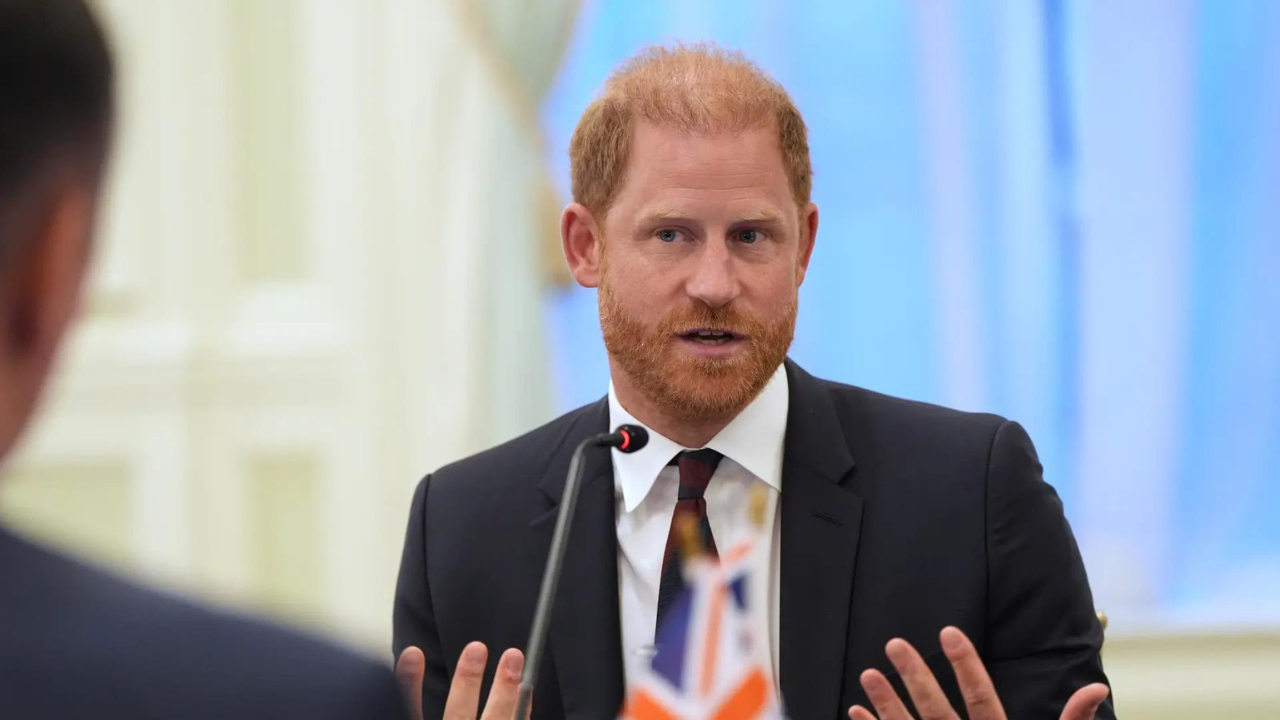
The modern celebrity news cycle thrives on engineered intimacy. When a mainstream outlet runs a headline about an Oscar winner surprising a vulnerable teenager or a sick fan with an unscripted video call, the narrative is prepackaged for viral consumption. It is heartwarming, undeniable, and perfectly tuned for algorithmic success.
Yet these moments of spontaneous generosity are rarely just simple acts of kindness. Behind the screen, a massive systemic shift is occurring within the entertainment business. The traditional barrier between Hollywood elite and the public has dissolved, replaced by a hyper-monetized economy of direct fan interaction. A-list actors are no longer just selling movies. They are selling accessibility, and the sudden influx of high-profile "surprise" interactions reveals a calculated strategy to survive a changing media market. You might also find this similar article useful: The Myth of Graceful Aging and Why Keanu Reeves Got It Right.
The Economy of the Managed Outreach
For decades, top-tier talent relied on a strict architecture of separation. Public relations firms spent millions ensuring that stars like Kate Winslet or Leonardo DiCaprio remained distant, mythical figures accessible only via glossy magazine profiles or late-night talk shows. That distance created value. The less the public knew about a star's daily life, the more compelling they remained on a theater screen.
Streaming platforms and fragmented audiences ruined that business model. Studios can no longer guarantee massive box office returns based on stardom alone, forcing talent agencies to rethink how their clients maintain cultural relevance. The solution is the weaponization of authenticity. As extensively documented in detailed coverage by Associated Press, the results are notable.
When a major star engages in a highly publicized personal call with a young fan, it serves a dual commercial purpose. First, it bypasses traditional journalists, allowing the celebrity to control the narrative completely. Second, it generates a specific type of social currency that traditional advertising cannot buy. Audiences have grown deeply cynical of structured press junkets and corporate marketing campaigns. A shaky, front-facing camera video of a movie star speaking directly to a fan cuts through that cynicism instantly.
Reversing the Power Dynamics of Media Tours
Consider the mechanics of the traditional promotional cycle. An actor sits in a hotel room for eight hours while a rotating carousel of journalists asks the exact same questions. It is tedious, expensive, and increasingly ineffective.
Direct-to-fan interactions offer an escape route from this professional exhaustion. By pivoting toward curated, emotional interactions with regular people or young creators, talent can generate millions of organic impressions without ever booking a network television appearance.
Traditional PR Model:
Celebrity -> Publicist -> Major News Outlets -> General Public (Low Engagement)

Modern Direct-To-Fan Model:
Celebrity -> Curated Fan Interaction -> Social Algorithms -> Viral Reach (High Trust)
The data behind this shift is staggering. A standard promotional clip from a movie studio might struggle to break a few thousand views on traditional platforms. Conversely, a raw, emotional clip of an actor comforting a nervous interviewer or calling a dedicated film fan can easily rack up millions of views across decentralized social channels within twenty-four hours. Studios are actively tracking these metrics, frequently writing social outreach requirements directly into the contracts of top-tier talent.
The Rise of the Algorithmic Shield
This strategy provides an invaluable asset in the entertainment industry: crisis insulation. A celebrity who is widely perceived as deeply empathetic and accessible is far less vulnerable to shifting public opinions or negative press.
- Public Good Will: A consistent stream of positive, unscripted fan interactions creates a reservoir of goodwill that protects a personal brand during box office failures.
- Algorithmic Dominance: Search engine optimization heavily favors high-engagement emotional content, effectively burying older, less flattering news stories beneath a mountain of wholesome viral clips.
- Direct Audience Ownership: By fostering a reputation for personal interaction, stars build a fiercely loyal base of core supporters who will defend them across digital platforms during any public controversy.
The Hidden Cost of Mandatory Empathy
This evolution is not without significant risks for the actors involved. When empathy becomes a metric tied to commercial viability, the boundary between a genuine human connection and a professional obligation begins to blur.
Industry insiders whisper about the exhausting pressure to constantly perform authenticity. It is an unyielding demand. An actor must not only deliver an award-winning performance on set but must also remain perpetually prepared to deliver an award-winning performance of personal warmth on social media. If a star appears cold, distant, or tired during an unexpected interaction, the digital backlash can be swift and destructive to their brand equity.
Furthermore, this trend creates a bizarre disparity within the fan community. For every young fan who receives a surprise call from an idol, tens of thousands of others are left outside the gate, their messages lost in an unread digital abyss. The curated nature of these interactions means that access is ultimately still controlled by management teams, who screen candidates to ensure maximum emotional and promotional impact.
The Industrialization of Intimacy
We are witnessing the complete industrialization of celebrity intimacy. The traditional Hollywood star system is dead, and the era of the accessible icon has officially begun.
This transformation reshapes how audiences consume celebrity culture. The public no longer demands perfection from their stars; they demand connection. While it is easy to view these viral surprise calls through a lens of pure cynicism, the truth occupies a more complex gray area. The emotional impact on the young fan receiving the call is undeniably real. The joy is genuine, the memories are permanent, and the encouragement can change a young life.
But Hollywood is, and always has been, a business built on illusions. The moment a star picks up the phone to delight a fan, they are participating in a highly sophisticated, multi-layered marketing ecosystem designed to sustain an industry in flux. The warmth is real, but the machinery behind it is cold, efficient, and entirely deliberate.