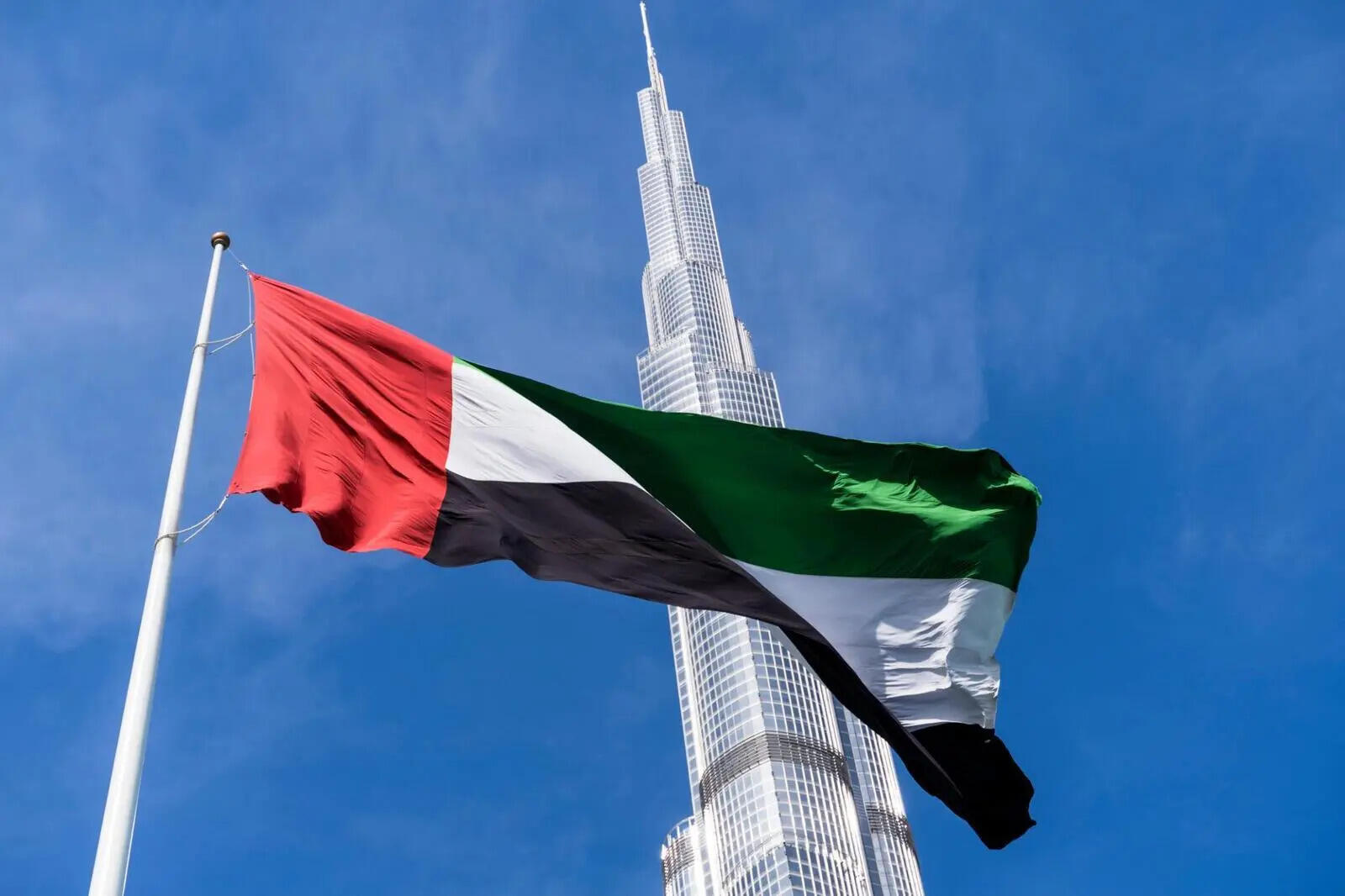
The United Arab Emirates has officially declared Monday, June 15, 2026, as a paid public holiday for both public and private sector employees to mark the Islamic New Year. By closing schools, financial institutions, and government offices, the decree effectively hands the nation a mandatory three-day weekend. While local lifestyle media frames this as a simple window for staycations and quick regional flights, the synchronized pause reflects a deeper, calculated macroeconomic strategy.
This is not an isolated gesture of cultural goodwill. It is a highly engineered economic tool. By enforcing strict holiday parity between government ministries and the private sector, the UAE is systematically dismantling a historic barrier to its Emiratisation goals while testing the limits of productivity in a modern economy.
The Post Oil Workforce Experiment
For decades, Gulf nationals viewed private enterprise with skepticism. The public sector offered shorter hours, more frequent holidays, and absolute job security. To build a sustainable economy independent of crude oil revenues, the federal government had to level the playing field.
+-------------------------------------------------------------+
|               The Parity Policy Mechanism                  |
+-------------------------------------------------------------+
|  Old Model:                                                 |
|  Public Sector -> Short weeks, frequent paid holidays       |
|  Private Sector -> Long weeks, fewer holidays               |
|                                                             |
|  New Unified Model (2026):                                  |
|  All Sectors -> Identical public holiday calendar           |
|  Result -> Private sector becomes viable for citizens       |
+-------------------------------------------------------------+
Unifying the holiday calendar ensures that multinational firms and domestic enterprises match the public sector day-for-day. When the Ministry of Human Resources and Emiratisation dictates a Monday closure for the Hijri New Year, it strips away the structural advantage government jobs once held. The message sent to corporate boardrooms in Dubai and Abu Dhabi is unambiguous: adapt your operational models to GCC labor realities, or risk non-compliance.
The Logistics of a Mandated Pause
Suspending commerce for 24 hours across a hyper-connected logistics hub presents immediate operational friction. The June 15 holiday drops directly into the start of the intense summer heat, a period when local retail and hospitality sectors lean heavily on domestic weekend spend to offset the decline in international tourism.
A single holiday announcement triggers a multi-layered cascade of economic adjustments.
- Aviation and Hospitality: Regional carriers capitalize on immediate demand spikes for short-haul routes to destinations like Oman, Cyprus, and Georgia. Local luxury resorts adjust dynamic pricing algorithms to capture the domestic staycation market.
- Logistics and Supply Chain: Jebel Ali Port and major air cargo centers must transition to skeleton crews. This requires intense logistical front-loading to ensure supply chains do not choke over the three-day lull.
- Corporate Operations: Financial institutions and tech hubs are forced to compress five days of productivity into four, accelerating the adoption of asynchronous work tracking.
There is also a regional disparity within this mandated break. In Sharjah, where government entities operate on a permanent four-day workweek, this Monday holiday creates a four-day weekend stretching from Friday through Monday. This creates a bizarre internal laboratory where companies can observe the productivity delta between workers on a three-day break in Dubai and those on a four-day break just across the city line.
High Friction Sectors and the Hidden Cost
The transition is far from painless. While white-collar industries transition smoothly to remote configurations or brief closures, labor-intensive sectors face sharp operational challenges. Construction, manufacturing, and continuous-process industrial operations cannot simply turn off the machines.
For these businesses, a mandated paid holiday means choosing between two expensive options: halting production entirely and missing contractual deadlines, or operating at full capacity while paying statutory overtime premiums to thousands of workers. In a market where corporate margins are already squeezed by rising compliance costs and strict Emiratisation quotas, these regular calendar adjustments represent a significant, recurring cost of doing business.
The financial sector faces similar friction. Dubai has aggressively positioned itself as a global financial capital bridging East and West. When the Dubai International Financial Centre pauses on a Monday while London, New York, and Singapore are open, trading volumes shift and cross-border transactions face settlement delays. The state wagers that the long-term gains in social cohesion and workforce localization outweigh these brief, localized liquidity dips.
Redefining Regional Labor Mechanics
The timing of this holiday, arriving precisely two weeks after the extensive Eid Al Adha break, serves as a stress test for the corporate landscape. Companies can no longer rely on the old playbook of overworking expatriate staff to compensate for public sector downtime.
The UAE is aggressively steering toward an economic model where well-being and productivity are legally bound. By forcing the private sector to absorb these pauses, the state is actively filtering out low-margin business models that rely entirely on cheap, continuous labor. The future belongs to enterprises that can maintain output through automation, optimized workflows, and flexible management structures. June 15 is not just a day off; it is a preview of a highly regulated corporate environment where capital efficiency must coexist with national social mandates.