The United States is hitting Brazil with 25% tariffs starting July 22, escalating a trade conflict under the guise of combating "unfair trade practices." While Washington points to a yearlong investigation by the Office of the U.S. Trade Representative (USTR) alleging lax anti-corruption enforcement and unfair local levies, the underlying reality is far more complex. This trade penalty is a highly calculated geopolitical move targeting Brazilian President Luiz Inácio Lula da Silva, and it is closely intertwined with Brazil’s upcoming October elections.
U.S. Secretary of State Marco Rubio made the administration's stance clear, claiming Lula has put his "ego" ahead of the Brazilian people by refusing to negotiate in good faith. Yet, by focusing heavily on personal friction, the official narrative obscures the strategic arm-twisting taking place behind the scenes. Washington is leveraging trade policy to extract concessions on Brazil's highly successful digital payments system, PIX, and its domestic ethanol policies, while simultaneously boosting conservative political forces in South America.
Inside the Trade Friction
For the past year, the USTR has investigated Brazil under Section 301 of the Trade Act of 1974. The formal conclusion of this probe claims that Brazil’s commercial landscape is hostile to U.S. interests due to protectionist tax structures and weak anti-bribery enforcement.
The defense is hard to reconcile with basic math. The U.S. has enjoyed a consistent goods trade surplus with Brazil for years. If Brazilian trade policies were fundamentally designed to block U.S. commerce, this persistent surplus would not exist.
Instead of a broad defense of American workers, the true commercial pressure points are highly specific.
- The PIX Financial System: Brazil's state-backed, instant-payment system has revolutionized local banking, rendering traditional credit card networks—largely dominated by American giants like Visa and Mastercard—increasingly obsolete. U.S. negotiators have quietly lobbied for structural changes to PIX to allow American financial institutions to capture more transaction fees.
- Ethanol Protectionism: Brazil maintains strict tariffs on U.S. ethanol imports to protect its sugarcane-based biofuel industry. Washington wants these barriers dropped to benefit American corn farmers, but Brasilia has refused to budge.
To keep the American domestic economy insulated from the immediate fallout of these new measures, the White House has exempted essential imports. Coffee, beef, oranges, aerospace components, and critical energy products will not face the 25% levy. This carve-out ensures that American grocery shoppers and manufacturers do not feel the pinch of the trade war, allowing Washington to apply maximum pain on other Brazilian sectors like pig iron and sugar without suffering domestic blowback.
The Election Factor
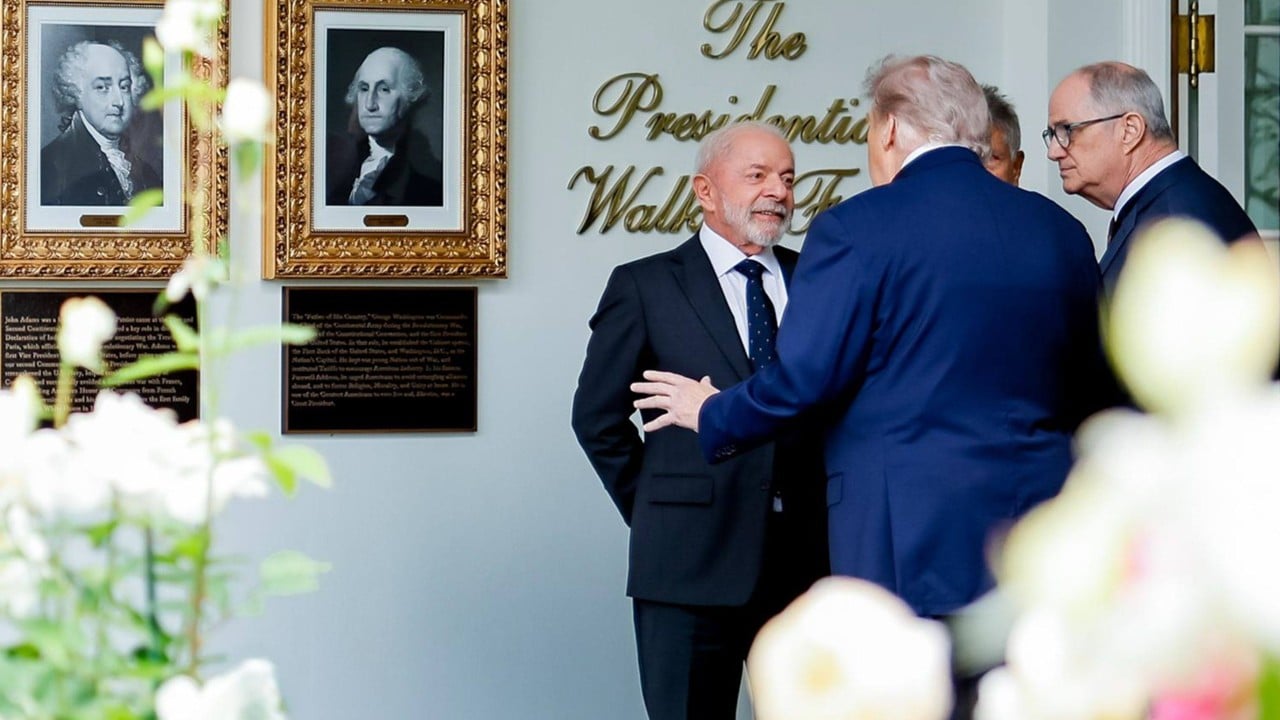
Brazilian President Lula has reacted to the tariffs with public fury, dismissing the USTR investigation as a political stunt orchestrated to interfere with Brazil's presidential election this October. Lula has pointed the finger at Senator Flávio Bolsonaro—the son of former President Jair Bolsonaro and Lula's chief political rival—who recently traveled to Washington to meet with conservative U.S. lawmakers.
The optics are undeniable. Flávio Bolsonaro actively lobbied U.S. trade officials to delay or modify the tariffs, positioning himself to the Brazilian electorate as the only leader capable of managing relations with a volatile Washington. Over 40% of Brazilian voters reportedly believe the implementation of these tariffs is tied to domestic political maneuvering.
By framing the trade dispute as a personal failure of Lula’s "ego," the U.S. administration is giving the Brazilian opposition a potent talking point. If the tariffs disrupt Brazil's economic recovery ahead of October, Lula's worker-friendly platform could buckle under the weight of factory layoffs and capital flight.
Legal Detours and the Section 301 Strategy
This is not the first time Washington has targeted Brazil with aggressive duties. Last year, the administration attempted to levy a massive 50% tariff on Brazilian imports under the International Emergency Economic Powers Act (IEEPA), largely to protest Brasilia's legal prosecution of Jair Bolsonaro. That effort failed when the U.S. Supreme Court ruled that the executive branch had overstepped its legal authority.
Shut down by the judiciary, the White House pivoted. The administration turned to Section 301 of the Trade Act of 1974, a Cold War-era trade tool that grants the president broad authority to retaliate against foreign trade practices deemed "unreasonable" or "discriminatory."
Using Section 301 provides a sturdier legal shield against domestic court challenges. By shifting the justification from political retribution to technical trade violations like anti-corruption enforcement, the administration has successfully circumvented the Supreme Court's previous restrictions.
A High-Stakes Stalemate
This trade conflict will not be resolved quickly. Brazilian trade officials have indicated that substantive negotiations with Washington are frozen and will not resume until after the October presidential elections are settled.
The strategy is risky. The tariffs threaten to hit over 4,000 Brazilian products, risking supply chain disruptions for thousands of small American businesses that rely on Brazilian raw materials. If Lula wins re-election, Washington will face an emboldened, deeply hostile administration in Latin America’s largest economy. If the opposition wins, the U.S. will have successfully demonstrated that it can use targeted economic pressure to influence democratic outcomes abroad.
By choosing coercion over compromise, the U.S. has signaled that trade access is no longer just about economics. It is about total alignment, and the 25% tariff is simply the price of dissent.