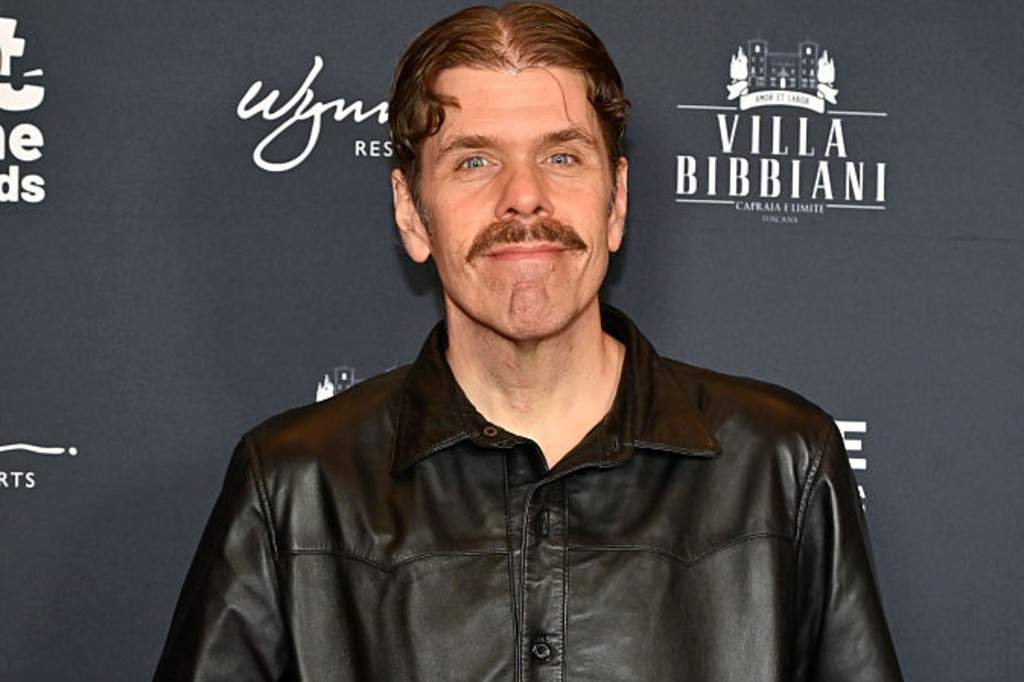
Patrick Dempsey will not run for the U.S. Senate in Maine. Despite intense speculation from political operatives and local fans, the actor has privately and publicly signaled that his commitment remains to his philanthropic work and Hollywood rather than Capitol Hill. The rumors spiked ahead of a crucial election cycle, with political committees eager to draft a celebrity capable of cutting through the hyper-partisan gridlock. However, a deep dive into the mechanics of Maine politics, the realities of modern campaigning, and Dempsey's own local footprint reveals why a Senate run was always a Hollywood fantasy rather than a viable political strategy.
The Mirage of the Celebrity Candidate
Political strategists love a blank slate with a household name. In an era where building name recognition costs millions of dollars, a candidate who already possesses a global brand starts the race with a massive advantage. This reality is exactly why outsiders consistently float Patrick Dempsey's name whenever a major political seat opens up in Maine.
The math looks simple on paper. Dempsey is beloved in the state, largely due to his deep roots in Lewiston and his high-profile charitable initiatives. To a national party strategist looking to flipping a seat or defending a vulnerable position, an actor with cross-partisan appeal seems like the ultimate weapon.
But star power rarely translates directly into voting booth success without a massive compromise on personal privacy and autonomy. The transition from cultural icon to partisan lightning rod is brutal. The moment an actor files the paperwork to run for office, they alienate roughly half of their audience. For a figure whose primary ongoing work relies on broad public goodwill, stepping into the political arena represents a massive financial and reputational risk.
The Unique Crucible of Maine Politics
Maine does not vote like the rest of the country. The state has a fierce independent streak and a historic preference for retail politics. Voters here expect to meet their candidates at diners, county fairs, and local fish fries. They want to look a politician in the eye and ask hard questions about logging rights, lobster fishing regulations, and local property taxes.
The Authenticity Test
An out-of-state operative might think a Hollywood star could easily sweep through these small towns. The reality on the ground is far different. Maine voters are notoriously skeptical of individuals they perceive as "from away," a local term used for anyone who hasn't spent their entire life enduring Maine winters.
- Retail Politics Demand: Candidates must spend months driving thousands of miles across vast, rural counties to build trust.
- Policy Specificity: Voters demand granular knowledge of local economic drivers, not just broad national talking points.
- The Independent Factor: Maine's unique ranked-choice voting system means candidates cannot simply rely on a loyal party base; they must appeal across party lines to win secondary preferences.
Dempsey, despite his frequent presence in the state and his genuine love for his hometown, spends a significant portion of his time in California and on racing circuits around the world. A Senate campaign would require pausing that lifestyle entirely. It would mean trading the glamour of international film sets for sixteen-hour days arguing about federal highway funding bills in northern Aroostook County.
Protecting the Dempsey Center
The most compelling reason for Dempsey to avoid a political run sits on Lowell Street in Lewiston. Founded in 2008 in honor of his mother, Amanda Dempsey, the Dempsey Center provides free quality-of-life care for people impacted by cancer. It is a highly respected institution that enjoys immense support from corporations, local donors, and volunteers from every spot on the political spectrum.
Injecting a hyper-partisan Senate campaign into this mix would threaten the very foundation of that work.
National political campaigns are inherently destructive. Opponents would inevitably scour the finances, partnerships, and operations of anything associated with the candidate's name. A beloved cancer support center could easily become fodder for negative campaign ads and partisan bickering. By remaining outside the electoral arena, Dempsey ensures that his philanthropic legacy remains untainted by the polarization that defines modern American governance.
The Financial Realities of a Modern Campaign
Running for the U.S. Senate is no longer just a public service initiative; it is a grueling corporate fundraising enterprise. A competitive race in Maine can easily attract over one hundred million dollars in total spending from candidates and outside political action committees.
A candidate must spend hours every day locked in a room, making cold calls to wealthy donors to hit fundraising targets. For an individual who already possesses significant wealth and a career built on creative freedom, this process is an exercise in profound frustration. The relentless grind of donor maintenance and compliance paperwork strips away the perceived nobility of seeking public office.
Hollywood to Washington Pipeline Fractures
The historical precedent for celebrities transitioning to high-level politics is mixed at best. While figures like Ronald Reagan and Arnold Schwarzenegger successfully navigated the leap, the current political climate is far more hostile to political newcomers from the entertainment industry. Voters increasingly demand a track record of local governance or a highly specific ideological platform, neither of which aligns with Dempsey's public profile as a unifying, non-political figure.
The rumor mill will likely continue to churn out celebrity names every time an election cycle rolls around. It is an easy story for national media outlets to cover, and it serves as a convenient distraction from the complex, structural issues facing local electorates. But for Patrick Dempsey, the calculations have clearly been made. The allure of a Senate seat cannot compete with the tangible impact of his current work, the freedom of his creative pursuits, and the peace of mind that comes with staying far away from the Washington machine.