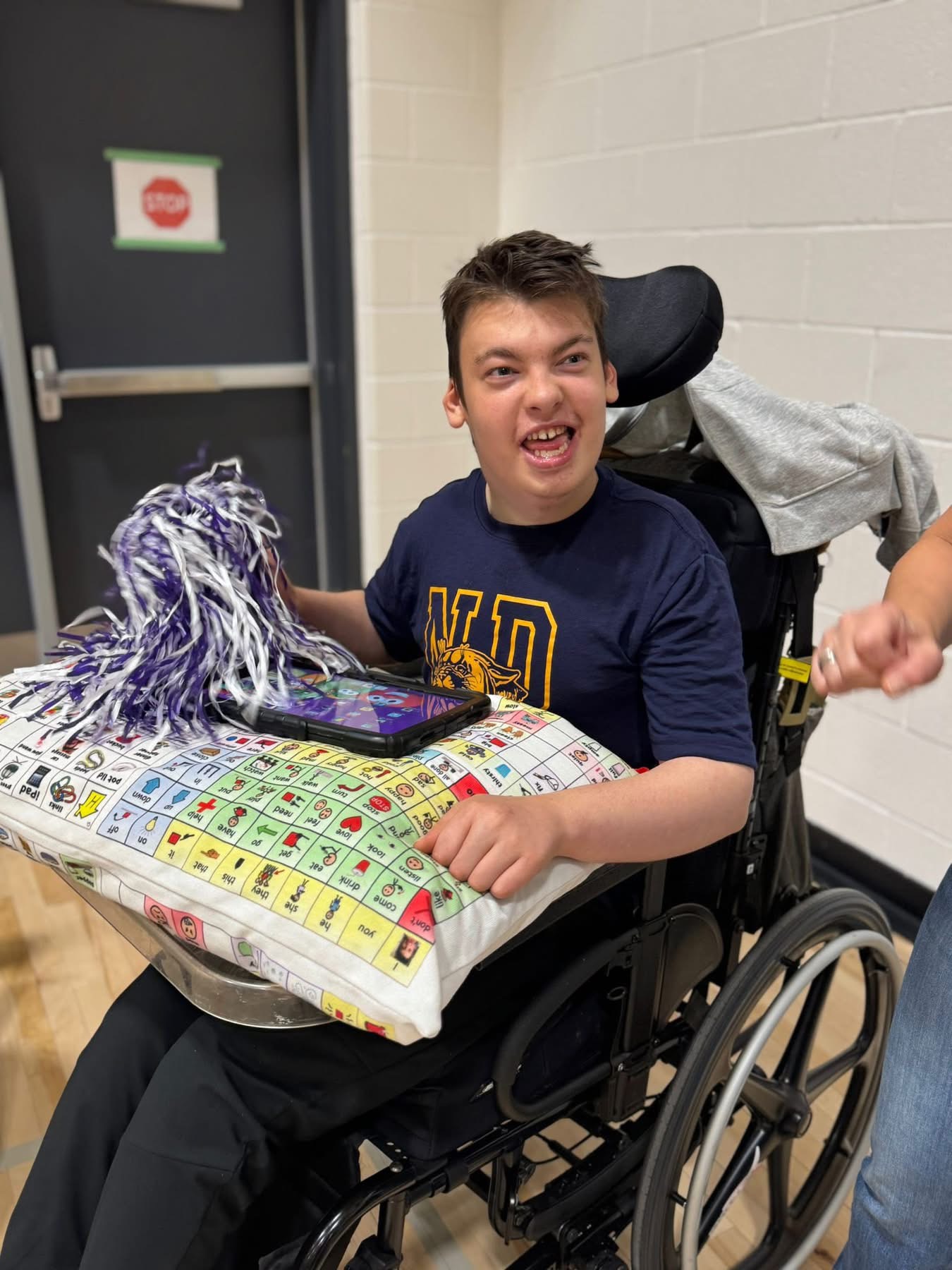
Teenagers get a bad reputation. People call them self-absorbed, glued to their screens, or disconnected from the real world. But look closely at what happens when tragedy hits a local high school classroom, and you will see a completely different story. In communities like Red Deer, Alberta, high school students are proving that youth-led movements can out-organize established charities when a classmate needs help.
When a young person faces a life-altering cancer diagnosis, the immediate impact ripples far beyond the clinic walls. It hits the hallways. Classmates do not just stand by or offer empty platitudes. They mobilize. From student councils organizing head-shaving events to grassroots social media campaigns that raise thousands of dollars overnight, these teenagers show an incredible capacity for empathy and logistical execution.
This is not just about charity work. It is about survival, community solidarity, and the unique way the younger generation handles a crisis.
The Reality of Teenage Cancer and the Financial Shockwaves
A sudden medical crisis changes everything for a family. Pediatric and adolescent cancer diagnoses bring an onslaught of unexpected challenges that go way beyond the medical prognosis. While Canada has a publicly funded healthcare system, the hidden costs of fighting cancer are staggering.
Consider the logistical nightmare for a family living in Central Alberta. Major specialized oncology treatments often require traveling to the Alberta Children’s Hospital in Calgary or the Stollery Children’s Hospital in Edmonton. That means hours on the Queen Elizabeth II Highway. It means endless fuel costs, hotel stays, parking fees, and meals on the run.
Worst of all, parents often have to take extended unpaid leave from their jobs to sit by a hospital bed. Bills stack up. Rent or mortgages still need payment. The financial pressure becomes a crushing weight at the exact moment a family needs to focus entirely on healing.
This is where the school community steps into the gap. When peer groups discover that one of their own is fighting for their life, the abstract concept of charity becomes deeply personal. They see an empty desk in homeroom. They notice the absence on the sports team or in the band uncomfortably fast. The response from teenagers is almost always immediate, emotional, and intensely practical.
Inside the Playbook of Student Led Fundraising
Students do not wait for bureaucratic approval to make a difference. They use the tools they understand best to build massive support networks in a matter of days. Looking at successful high school fundraising campaigns across Alberta gives us a clear template of how these kids get things done.
High Impact Events on Campus
School gymnasiums frequently become the command centers for massive fundraising drives. Peer-led initiatives usually focus on high-visibility events that challenge the student body to participate directly.
- Head Shaving Campaigns: A classic tradition in Alberta schools. Students and teachers pledge to shave their heads publicly in exchange for donations. It is highly visual, emotionally charged, and creates an immediate sense of shared sacrifice.
- Sporting Tournaments: Floor hockey, basketball, or dodgeball marathons where buy-in fees from teams and ticket sales from spectators go directly to the family's trust fund.
- Benefit Concerts and Talent Shows: Leveraging the creative talents of the student body to pack the auditorium and sell merchandise or baked goods.
Digital Mobilization
Teenagers understand digital communication better than anyone. While traditional organizations might spend weeks designing pamphlets, a group of dedicated high schoolers can launch a viral campaign in an afternoon. They use platform algorithms to share personal stories, set up online donation portals, and coordinate meal trains for the family. They transform local hashtags into community-wide rallying cries, ensuring the local business community takes notice and chips in.
Why Peer Support Matters More Than a Check
Money matters tremendously, but the psychological impact of peer solidarity is irreplaceable for a sick teenager. Isolation is one of the most brutal side effects of a long-term illness. When you are pulled out of school, your normal life vanishes. You miss the dances, the exams, the casual jokes by the lockers, and the graduation planning. You feel forgotten.
When a student sees their entire school wearing custom t-shirts with their name on them, or watches videos of hundreds of classmates cheering for them in the gym, the psychological burden lightens. They realize they are still part of the pack.
Medical professionals frequently point out that emotional well-being directly influences a patient's resilience during aggressive treatments like chemotherapy or radiation. Knowing an entire student body has your back provides a profound psychological safety net. It gives a young person something to fight for and a community waiting to welcome them back.
How the Broader Red Deer Community Can Steer Support Effectively
Good intentions are a great starting point, but execution determines the actual value of a community campaign. If you want to support a local youth-led fundraising drive, you need to understand how to maximize the impact without overwhelming the family.
Cash is King
While toy drives or stuffed animals are well-meaning, they do not pay the mortgage or cover the cost of winter tires for the highway trips to Edmonton. Direct financial support through verified trust funds or online campaigns gives families the flexibility to spend money exactly where they need it most.
Coordinate Through a Single Point of Contact
Families dealing with a cancer diagnosis are exhausted. They cannot handle fifty different messages from eager students and parents asking how to help. Successful school campaigns usually appoint one trusted adult, like a school counselor, leadership teacher, or close family friend, to act as the gatekeeper. All ideas, donations, and logistics run through this single point of contact to protect the family's privacy and peace.
Think Long Term
Cancer treatment is a marathon, not a sprint. A massive burst of energy and money in the first month is wonderful, but treatments often last for a year or longer. The most effective support structures plan for the long haul. They space out fundraisers, coordinate sustainable meal deliveries, and maintain consistent communication even after the initial shock of the diagnosis wears off.
Moving Beyond Awareness to Direct Action
Supporting a classmate through a life-threatening illness changes the students who organize the work. They learn project management, public speaking, budgeting, and crisis response. More importantly, they learn that they possess the agency to change someone's life right now. They do not have to wait until they grow up to be leaders.
If a school in your neighborhood is rallying behind a student, do not just watch from the sidelines. Buy the ticket to the charity game. Drop a donation into the online portal. Share the link with your professional network. The kids are doing the heavy lifting on the ground, but they need the backing of the entire community to cross the finish line.
Check with local school administration offices or student leadership groups to find active, verified accounts where you can contribute directly. Let's make sure no family in our community has to fight this battle alone.