The Ghost in the Tea Shop
Every morning in Kathmandu starts the same way. The steam rises from small glass cups of milk tea, the smell of diesel exhaust begins to thicken the air, and the older men sit on wooden benches to discuss the fate of the nation. For thirty years, these conversations were a loop. The names of the politicians changed, but the lineage didn't. Power was a family heirloom, passed between a handful of men who had fought a revolution only to become the very thing they once despised.
But this year, the tea shops feel different. There is a silence where there used to be shouting.
To understand why Nepal is standing at a polling station today, you have to look at the scars on the hands of the teenagers who aren't there. You have to look at the "Generation of the Void"—the young people who, exactly one year ago, decided that if the system wouldn't bend, they would break it.
Twelve months ago, the streets of the capital weren't filled with voters. They were filled with fire. It started with a viral video of a government official mocking a jobless graduate. Within forty-eight hours, the digital rage became physical. Gen Z, a demographic usually dismissed as being more interested in TikTok filters than trade deficits, surged into the streets. They didn't carry the flags of the old parties. They carried mirrors. They held them up to the police, to the politicians, to their own parents.
The "violent Gen Z protest" described by the international news wires wasn't a riot for the sake of destruction. It was a funeral for the old way of doing things. The blood on the pavement that week wasn't just a statistic; it was the final, messy signature on a contract that had expired decades ago.
The End of the Nepotism Loop
Imagine a young woman named Aashika. She is twenty-three, she has a degree in civil engineering, and she has spent the last three years watching her classmates leave for Dubai or Qatar. Her father is a local party worker, a man who believes in the "system." He tells her to wait. He says he can talk to a cousin who knows a minister. He says that in Nepal, this is how you get a job.
Aashika represents the millions who said "no" to that conversation last year.
The core of the rebellion wasn't just about high prices or slow internet. It was about the crushing weight of nepotism. In the old Nepal, your last name was your resume. If you weren't "connected," you were invisible. The "bootlicking" mentioned in the slogans wasn't a metaphor. It was the daily requirement for survival. To get a business license, to get a hospital bed, to get a passport—you had to bow.
Then the protests happened.
The old guard assumed the fire would burn out. They thought a few arrests and a promise of a committee would send the kids back to their screens. They were wrong. The youth didn't go home; they went to the database. They spent the last year building a digital infrastructure for this election that the established parties can't even comprehend. They tracked every bribe, every broken promise, and every nepotistic appointment in real-time.
The Ballot as a Weapon of Silence
Today, as the polls open across the Himalayan foothills and the crowded valleys, the atmosphere is eerie. There are no massive rallies. The traditional "show of strength" with hired buses and free lunches for voters has largely vanished. The power has shifted from the megaphone to the smartphone.
The stakes are invisible but absolute.
If the old parties win today, the migration will accelerate. Nepal will become a country of grandparents and children, with the middle missing—the brains and the muscles of the nation building skyscrapers in cities they will never own. If the new wave wins, the "Independents" and the "Bell-ringers," it will be the first time in South Asian history that a digital-native generation successfully performed a hostile takeover of a legacy government without a military coup.
It is a choice between a bloodline and a meritocracy.
The Cost of the Status Quo
Let's look at the numbers, because even a story needs bones. Nepal’s youth unemployment rate has hovered at levels that would trigger a revolution in any other part of the world. But until last year, the safety valve was migration. Every day, 2,000 young Nepalis leave through the international airport. They are the country's biggest export. The money they send back—the remittances—keeps the economy afloat.
It is a parasitic relationship. The government relies on the money sent home by the very people it failed to employ.
The protests broke that cycle. The slogan "Stay and Fight" replaced "Leave and Send." This election is the audit of that movement. People aren't just voting for a candidate; they are voting for the right to stay in the room where they were born. They are voting against the feeling of being a guest in their own country.
The Logistics of Hope
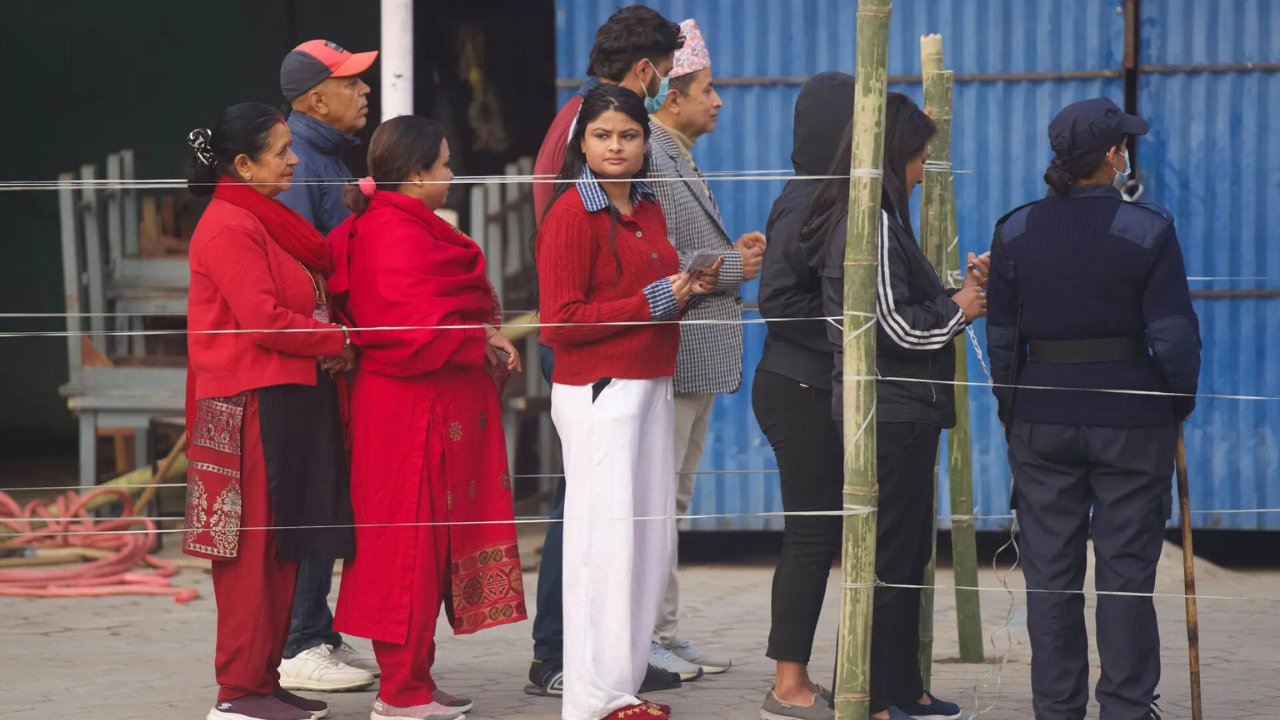
The physical act of voting in Nepal is a logistical nightmare. You have to travel over roads that are often more mud than gravel. You have to stand in the sun for hours. For the older generation, this was a ritual of loyalty. You voted for the sun, the tree, or the hammer and sickle because your father did.
This time, the queues are divided by a chasm of experience.
The elders stand with their party scarves, eyes fixed on the past. The young stand with their encrypted messaging apps open, checking the "integrity reports" of the candidates as they wait. They are looking for the "clean" candidates—those who have never held a government contract, those who aren't related to a former Prime Minister.
Consider the "Independents." A year ago, they were a joke. Today, they are the terror of the establishment. They are lawyers, tech founders, and teachers who have realized that protesting on the street was just the beginning. The real protest is the ink on the thumb.
The Echoes of the Valley
There is a specific sound in the Kathmandu Valley during an election. It’s the sound of silence. The motorbikes are off the road. The shops are shuttered. In that silence, you can hear the heartbeat of a nation trying to decide if it still exists.
The old men in the tea shops are still talking. They say the kids are naive. They say you need "experience" to run a country, that "experience" is code for knowing which palms to grease and which threats to make. They don't understand that the "naivety" of the youth is their greatest strength. They don't know the rules of the old game, so they are playing a different one entirely.
The "violent Gen Z protest" of last year was the earthquake. This election is the aftershock.
The Final Signature
As the sun dips behind the peaks, the boxes are sealed. In the mountain villages, the ballot boxes will be carried on the backs of men and women across suspension bridges and up stone staircases. Every one of those boxes contains a thousands of tiny rebellions against the idea that your birth dictates your worth.
Aashika is standing outside a polling station in Patan. She has the blue ink on her thumb. She isn't cheering. She isn't crying. She is looking at her phone, waiting for the first count to come in. She knows that a vote isn't a magic wand. It’s a tool. It’s a hammer.
The ink on her thumb is the same color as the bruises she earned on the streets a year ago. It’s the color of a promise she made to herself when she saw her friends boarding that plane to the desert. She didn't leave. She stayed. And today, she finally spoke.
The mountains don't change, but the people living in their shadow just did.