The fragile peace didn't even last a month. The June 17 ceasefire memorandum of understanding between the US and Iran was supposed to bring some breathing room to the Persian Gulf. Instead, we're back to open warfare. With the Strait of Hormuz choking under a barrage of tit-for-tat strikes, US blockades, and Iranian drone attacks, Tehran is already looking at its next move.
And that move points directly to the Bab el-Mandeb strait—the narrow, chaotic gateway to the Red Sea.
If you think the current economic pain from the Hormuz disruptions is bad, a coordinated dual-chokepoint blockade would be a global shock. We aren't just talking about a bump in shipping insurance. We're talking about a fundamental rewiring of global trade, $200-a-barrel oil, and a naval conflict that could drag the US and its allies into a multi-theater war.
Let's cut through the geopolitical noise and look at what is actually happening on the water.
The Illusion of the Hormuz Ceasefire
The June ceasefire was built on shaky ground from day one. Iran wanted to assert total regulatory control over Hormuz, demanding that commercial ships use pre-approved routes and obey Iranian protocols. Essentially, they wanted to act as the toll collectors of the Persian Gulf.
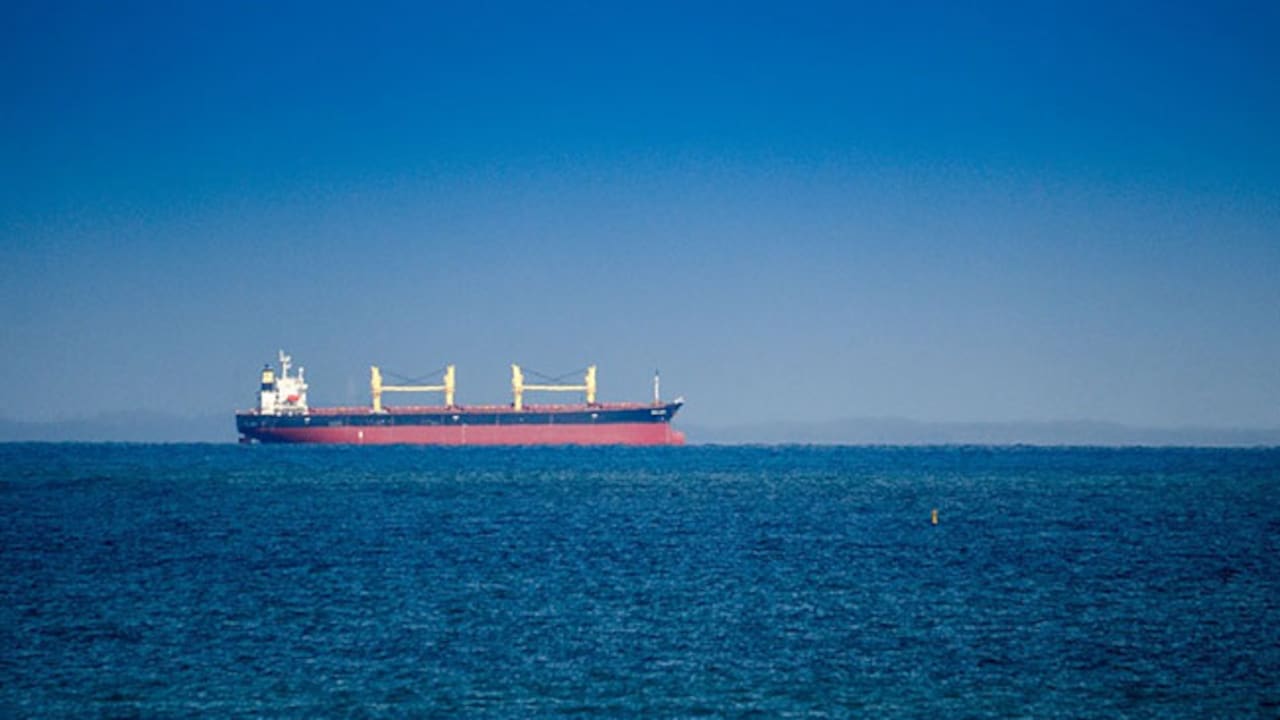
When ships didn't comply, the Islamic Revolutionary Guard Corps (IRGC) fired warning shots, launched drones, and eventually struck cargo vessels like the Ever Lovely and GFS Galaxy.
The US response was swift and heavy. President Trump declared the ceasefire over, launched waves of airstrikes on Iranian coastal defense systems, and reinstated a full blockade on Iranian ports. Right now, US Central Command (CENTCOM) is striking targets from Qeshm Island to Bandar Abbas, while Iran retaliates with missiles aimed at US-linked bases in Jordan, Qatar, and Oman.
But Hormuz is a shared vulnerability. If Iran completely shuts it down, they also starve their own economy of whatever oil smuggling revenue they have left. That's why they need an asymmetric pressure point.
They need the Bab el-Mandeb.
Why Bab el-Mandeb is a Different Kind of Beast
The Strait of Hormuz is wide enough for major naval maneuvers, but the Bab el-Mandeb—the "Gate of Grief"—is a tactical nightmare. At its narrowest point, it is only 18 miles wide.
Here is why this waterway is the ultimate asymmetric weapon:
- Proxies offer plausible deniability: In Hormuz, it's the IRGC directly firing the missiles. That invites direct retaliatory strikes on Iranian soil. In the Red Sea, Iran operates through the Houthis in Yemen. Tehran can supply the intelligence, drones, and anti-ship missiles, while keeping its hands clean enough to complicate US diplomatic and military responses.
- A straight shot to Europe: While Hormuz controls the flow of Persian Gulf oil to Asia, the Bab el-Mandeb is the doorway to the Suez Canal. It connects Asian manufacturers and Middle Eastern energy directly to European markets. Disrupting it doesn't just hurt oil markets; it breaks supply chains for consumer goods, agricultural products, and manufacturing components.
- Low-cost, high-impact warfare: You don't need a massive navy to close the Red Sea. A handful of cheap, GPS-guided one-way attack drones, sea mines, and shore-to-ship missiles launched from mobile trucks in the Yemeni mountains are enough to make shipping lanes completely uninsurable.
The Dreaded Two-Chokepoint Scenario
Middle East scholars like Fawaz Gerges have warned that Tehran's real leverage isn't just threatening one waterway, but proving it can threaten both simultaneously.
If the Houthis renew their campaign in the Red Sea while the IRGC keeps up the pressure in the Gulf, global shipping companies will face a brutal reality. They can't bypass Hormuz easily, and if they have to bypass the Red Sea, they must route ships all the way around the Cape of Good Hope in South Africa.
That detour adds 10 to 14 days of transit time, burns millions of dollars in extra fuel, and dramatically spikes shipping container rates.
Senior Yemeni officials have already boasted that a coordinated closure of both straits would send oil prices skyrocketing to $200 a barrel. While that might be hyperbole designed to terrify Western markets, even a temporary dual-blockade would easily push Brent crude past the $100 mark, reversing any progress the West has made against inflation.
What Happens Next on the Water
This isn't a theoretical threat anymore. We are already seeing the tactical setup for a wider maritime conflict. If you're trying to figure out where this escalates next, keep your eyes on these indicators:
- Houthi mobilization in western Yemen: Watch for reports of increased Houthi drone and missile testing near the coastal areas of Hudaydah. If Tehran decides to pull the trigger on the Red Sea front, the Houthis will be the ones executing the strikes.
- The insurance tipping point: Commercial shipping relies entirely on maritime insurance. If underwriting firms decide that transit through the Bab el-Mandeb is too risky, they will stop covering vessels. Once the insurance dries up, the strait is effectively closed, even without a physical blockade.
- US naval realignment: The US Navy is already stretched thin trying to police the Gulf and enforce the renewed blockade on Iranian ports. If the Red Sea flares up again, watch for the US and its allies to attempt another multinational naval coalition to escort merchant ships.
The conflict has evolved far past a simple dispute over regional influence. By turning the Bab el-Mandeb into a secondary pressure point, Iran is trying to show the world that it holds the keys to the global economy. The only question left is whether Washington is willing to call their bluff, or if we are headed toward a permanent state of maritime insecurity.