The Red Sea Oil Diversion That Changes Everything
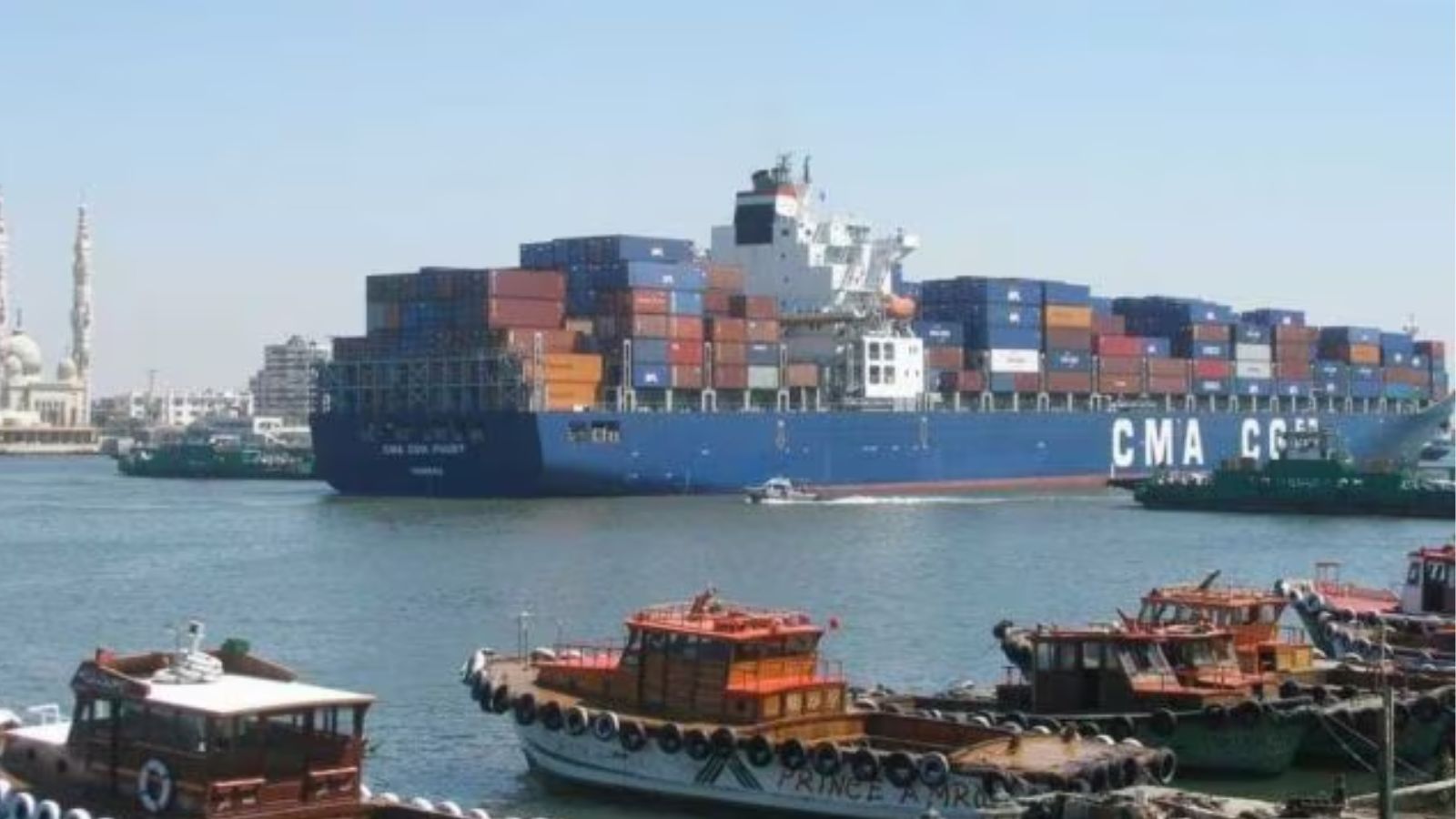
If you've been watching global energy markets lately, you know the situation in the Middle East has turned ugly. On July 21, three massive oil tankers loaded with Saudi crude reversed course mid-transit in the Red Sea. Two of those vessels, the Rodos and the Amazon, were carrying nearly 1.5 million barrels of oil directly meant for Indian refineries. The third, a Very Large Crude Carrier named Xin Long Yang, was heading to China with 2 million barrels.
All three ships abruptly pulled a U-turn, switched off their transponders, and headed back north toward the Suez Canal.
Why? Yemen's Houthi rebels issued a targeted email directive declaring a naval blockade on all Saudi Arabian ports. They warned shipping managers that any vessel loading or discharging cargo at Saudi facilities would be targeted "in any location".
"Vessels are banned from loading or discharging cargo at or from any Saudi ports." — Houthi HOCC Directive, July 20
This isn't just another headline about maritime security. It's a massive wrench in India's energy supply chain at the worst possible moment.
How the Red Sea Trap Closes on Asian Energy Buyers
To understand why these U-turns matter so much, you have to look at the global map. With military conflict shutting down or severely restricting access through the Strait of Hormuz, Saudi Arabia relied heavily on its Western port city, Yanbu, on the Red Sea. Yanbu was the main escape valve. It allowed Saudi Arabia to pump crude across the peninsula via pipelines and ship it straight down the Red Sea, through the Bab el-Mandeb Strait, and out into the Indian Ocean toward refineries in India and China.
Now that escape valve is pinched from the bottom.
[ Yanbu Port (Red Sea) ] ──> [ Bab el-Mandeb Strait ] ❌ Houthi Blockade Threat
                                       │
                                       ▼ (U-Turn Required)
[ Suez Canal / SUMED ] <───────────────┘
When tankers like the Rodos turn around to avoid the Bab el-Mandeb chokepoint, their only path out of the Red Sea is to head back up toward Egypt's Suez Canal.
That creates a massive logistics headache:
- Partially Offloading Cargo: Fully laden VLCCs can't pass through the Suez Canal with a full draft. They must offload part of their crude into Egypt's SUMED pipeline, send the ship through, and reload on the other side in the Mediterranean.
- The Long Route Around Africa: Once in the Mediterranean, those tankers have to sail all the way around the continent of Africa to reach Asia.
- Cost and Delay Spikes: This detour adds thousands of nautical miles, 14 to 20 extra days at sea, massive fuel costs, and skyrocketing war-risk insurance premiums.
Why India Is Uniquely Exposed Right Now
You might wonder why India can't just source its oil elsewhere. It's not that simple.
India imports over 85% of its total crude oil needs. In recent months, Indian buyers faced mounting geopolitical pressures on multiple fronts. Russia, which supplied over 50% of India's crude imports in mid-2026, is facing heavy tariff threats and logistical hurdles. That made Middle Eastern suppliers like Saudi Arabia, Iraq, and the UAE vital stabilizing anchors for Indian state refiners like IOCL, BPCL, and HPCL.
When Saudi Arabian crude coming out of Yanbu gets stranded or delayed, Indian refiners don't just pay higher freight prices. They face physical arrival delays.
┌─────────────────────────────────────────────────────────────┐
│                 CRUDE VULNERABILITY MATRIX                  │
├──────────────────────┬──────────────────────────────────────┤
│ Import Dependency    │ Over 85% of total consumption        │
├──────────────────────┼──────────────────────────────────────┤
│ Primary Persian Gulf │ Restricted by Hormuz tension         │
├──────────────────────┼──────────────────────────────────────┤
│ Red Sea Alternative  │ Threatened by Houthi blockade        │
├──────────────────────┼──────────────────────────────────────┤
│ Backup Sourcing      │ Russian crude under tariff pressure  │
└──────────────────────┴──────────────────────────────────────┘
When crude supply lines stretch, domestic pump prices feel the heat. Brent crude surged past $92 a barrel right after these reroutings hit maritime tracking boards. For an economy fighting inflation, $90+ crude is bad news.
Market Realities vs Fear Mongering
Let's cut through the hyperbole. Is a total naval blockade of Saudi Arabia actually happening?
Not likely. Maritime security firms like Ambrey and shipbroker Clarksons have pointed out that a true, physical military blockade of Saudi Arabia's coastline takes naval resources the Houthis simply don't possess.
They don't need a formal blockade to break the supply chain. They only need threat capability.
By firing anti-ship missiles and launching drones at a handful of commercial targets, they drive insurance rates through the roof. When war-risk premiums shoot up, ship managers and captains decide on their own to turn around. The threat alone enforces the blockade without the Houthis needing a single navy ship.
Action Steps for Energy Analysts and Supply Chain Managers
If you manage logistics, trade energy, or analyze macroeconomic trends, watching headlines isn't enough. Here's what you need to track right now:
- Monitor Transponder Patterns: Watch AIS data for crude carriers near the Suez Canal and the Cape of Good Hope. When vessels flip off their transponders (like the Amazon and Rodos did), off-market private charters are usually replacing standard routes.
- Track SUMED Pipeline Capacity: Check throughput rates on the SUMED pipeline in Egypt. Bottlenecks there will tell you how severe the Mediterranean diversion backlog is getting.
- Watch Indian Refinery Run Rates: Keep an eye on domestic processing volumes at major coastal refineries in Gujarat and Maharashtra. Extended shipping delays of 15+ days will force refineries to draw down strategic reserves or cut run rates.
- Hedge Against Freight Spikes: Suezmax and VLCC spot charter rates are set to stay volatile. If you're exposed to shipping costs, long-term charter agreements will protect you far better than riding the spot market through late 2026.