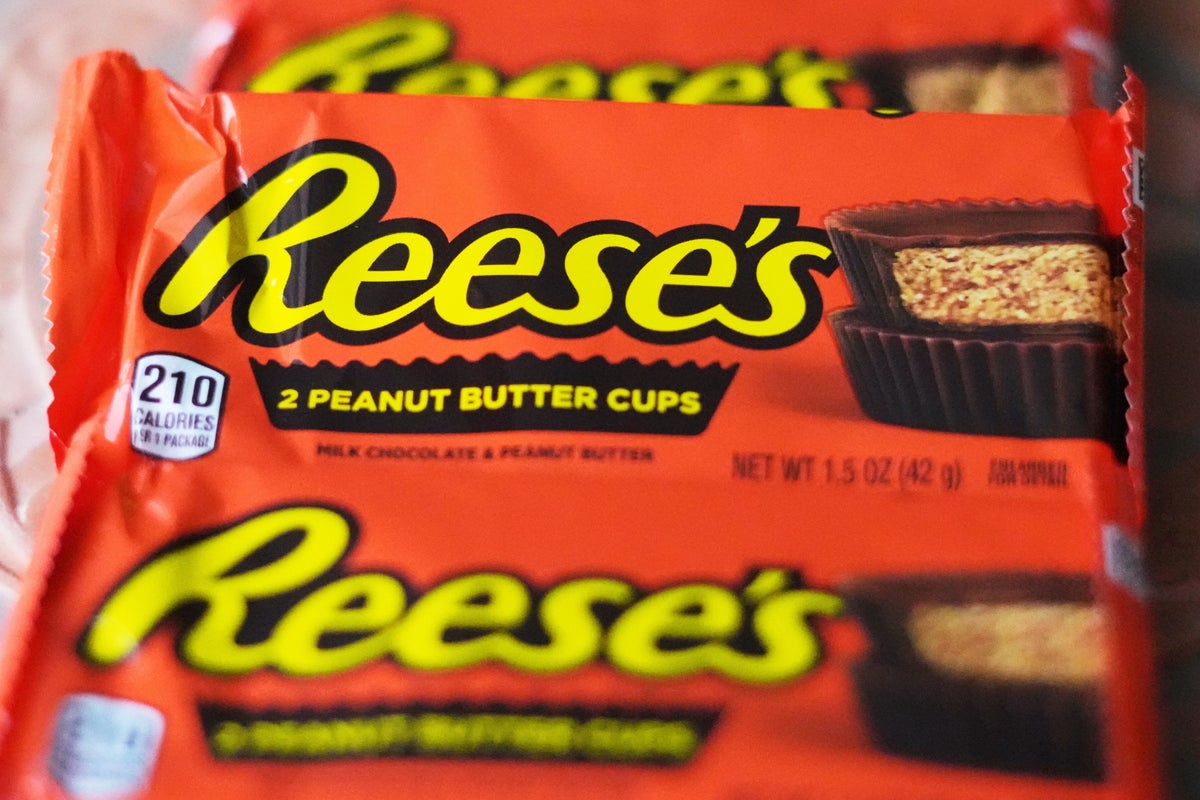
Hershey finally listened. After a wave of social media backlash and a noticeable dip in customer satisfaction, the chocolate giant is ditching the "new and improved" version of their iconic peanut butter cups. They're going back to the classic Reese’s recipe. It's a move that proves one thing. You can't mess with a legacy product and expect people to just swallow it. Especially not when that product has a cult-following that spans generations.
The decision to pivot back to the original formula isn't just about nostalgia. It's about business survival. When Hershey introduced changes—swapping out certain oils and adjusting the sugar-to-salt ratio—they thought they were optimizing. They were wrong. Fans noticed the grittier texture and the "off" aftertaste almost immediately. The internet did what it does best. It got loud. Very loud. Recently making headlines recently: SpaceX Revenue Surges While Public Shares Collapsed Under Reality.
The mistake that cost Hershey millions in brand equity
Big food companies often try to shave pennies off production costs. They call it "value engineering." I call it a recipe for disaster. Hershey experimented with the peanut butter filling, likely trying to extend shelf life or reduce the cost of ingredients like cocoa butter. This wasn't some minor tweak. It changed the fundamental experience of eating a Reese's.
You know that specific, slightly crumbly yet creamy texture of a real Reese's peanut butter cup? That disappeared. In its place was something that felt plastic and tasted too sweet. It lacked the salty punch that made the original so addictive. People don't buy Reese’s for a health snack. They buy it because they want that specific hit of dopamine that only the classic combo provides. When you take that away, you're not just selling a different candy. You're breaking a promise. More insights into this topic are covered by The Wall Street Journal.
Sales figures for the modified version started to stagnate in key markets. While the company didn't release specific loss numbers tied directly to the recipe change, the sentiment analysis was grim. According to data from various retail tracking firms, brand loyalty scores for Hershey’s confectionery line took a hit throughout late 2024 and early 2025. It’s a classic case of "if it isn't broken, don't fix it."
Why the original recipe is the gold standard for candy
The classic Reese's recipe relies on a very specific balance. It’s the interaction between the milk chocolate and the roasted peanuts. There’s a science to the "bloom" of the chocolate and the way the peanut flour absorbs the oils. When Hershey tried to use cheaper stabilizers, they ruined the chemistry.
Fans started comparing the new cups to generic store brands. That’s the ultimate insult for a brand like Reese’s. If I wanted a cheap knock-off, I'd pay half the price at a discount bin. When I pay for a Reese's, I'm paying for the original. I'm paying for the memory of opening that orange package and seeing those ridges.
The "New Coke" lesson clearly wasn't learned well enough. In 1985, Coca-Cola changed their formula and the public revolted. History repeats itself because corporate executives get blinded by spreadsheets. They see a 2% saving on palm oil and think it’s a win. They forget that the 2% saving might lead to a 20% drop in repeat purchases.
Social media forced Hershey's hand
We live in an era where consumers have a direct line to the boardroom. A decade ago, if you didn't like a candy bar, you just stopped buying it. Today, you make a TikTok. You start a Reddit thread. You tag the CEO on X. The "Bring Back the Old Reese’s" movement gained massive traction.
- Thousands of comments on Instagram posts.
- Petitions with tens of thousands of signatures.
- Viral videos comparing the "Old" vs. "New" texture.
The pressure became too much to ignore. Hershey’s PR team was constantly playing defense. It’s hard to market a "seasonal shape" or a "new size" when every single comment section is filled with people asking why the peanut butter tastes like wax. By reverting to the classic recipe, Hershey is trying to stop the bleeding. They’re acknowledging that their customers actually know what they’re talking about. It’s a rare moment of corporate humility.
What actually changes in the classic recipe
So, what are we getting back? The most important part is the return of the original peanut butter processing method. This involves a specific grind of the peanuts that keeps that signature texture. They’re also reportedly ditching the high-intensity sweeteners that crept into the "modified" version. We’re going back to real sugar and the original fat profile.
The chocolate coating is also getting a reset. Critics of the recent version complained the chocolate was too thin and lacked the snap of the original. The classic recipe uses a slightly higher percentage of cocoa solids. This creates a better barrier for the peanut butter center. It stops the oil from seeping out and making the cup look greasy.
I’ve seen this happen with other brands too. Think about when snack companies tried to remove trans fats and everything started tasting like cardboard. Eventually, they figured out how to make it taste good again, but it took years. Hershey realized they didn't have years. They had to act now before people switched their loyalty to competitors like Justin’s or Unreal.
The business logic of admitting you failed
Admitting a mistake is actually a great marketing strategy if you do it right. By framing this as "listening to our fans," Hershey turns a massive failure into a customer service win. They get to run a whole new campaign centered on the return of the classic. It creates artificial scarcity and then a "hero's return."
It’s a smart play. It makes the consumer feel powerful. "We spoke, and they listened." That feeling of influence builds a different kind of brand loyalty. It makes people want to go out and buy a pack just to "verify" that it’s actually the old version. Expect to see "Original Recipe" or "Classic Taste" labels on orange packaging very soon. It's a gold mine for sales.
But let's be real. They shouldn't have changed it in the first place. The cost of switching back—changing labels, retooling machines, sourcing old ingredients—is enormous. This was an expensive lesson in brand management. It shows that even the biggest players in the game can't ignore the basic tastes of their audience.
How to tell if you're getting the real deal
As the old stock clears out, you'll want to check the labels. The "classic" recipe should see a return to the ingredient list you remember from five years ago. Look for the absence of certain cheap fillers and a return to simpler emulsifiers. The shelf-life might be slightly shorter, but the taste will be infinitely better.
If you’re a die-hard fan, keep an eye on the production dates. Anything manufactured after the recent announcement should be the good stuff. Grab a pack, peel back the paper, and look for that matte finish on the chocolate. If it’s shiny and looks like plastic, you might still have a "new version" leftover.
Go to a high-volume retailer. These stores move through inventory fast. You're more likely to find the updated (original) stock there than at a dusty corner gas station. Check the back of the wrapper for the "Original Recipe" callout. Once you find it, do a side-by-side comparison if you can. You’ll notice the difference in the first bite. The salt hits different. The chocolate melts faster. It’s the way a Reese's was meant to be. This isn't just about candy. It’s a win for everyone who hates seeing quality sacrificed for a slightly better quarterly report.