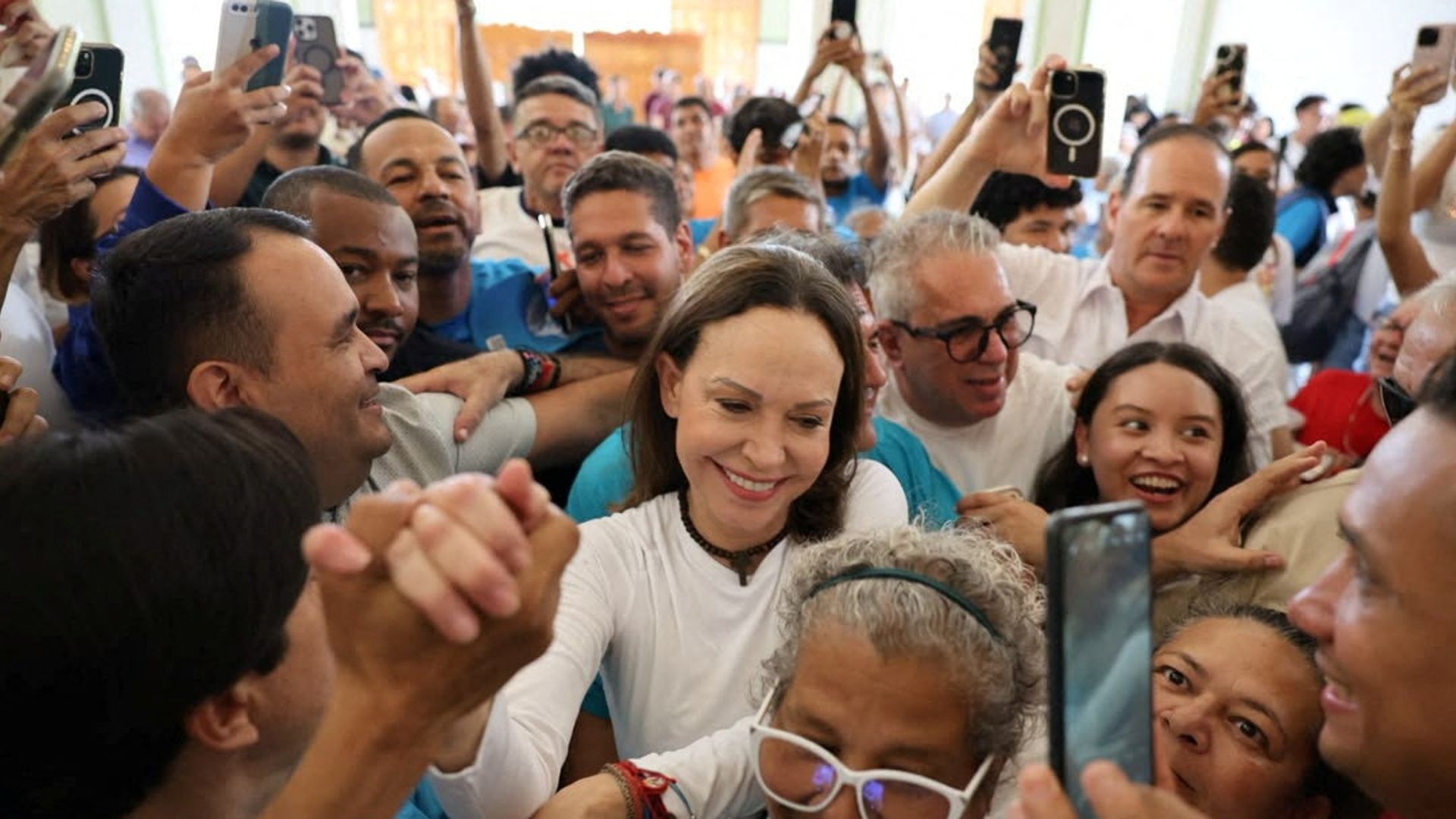
Political analysts and international commentators frequently frame the return of an exiled opposition figure to Venezuela as a decisive turning point. According to traditional democratic transition models, a charismatic leader re-entering the country rallies public morale, exposes authoritarian vulnerability, and forces a negotiated settlement.
Yet historical precedents in Caracas and across comparable hybrid regimes suggest a far more complicated reality. While a high-profile return generates immediate diplomatic headlines and street-level mobilization, it rarely alters the underlying institutional incentives that sustain the ruling coalition.
The Structural Limits of Symbolic Returns
According to political scientists who study competitive authoritarianism, such as Steven Levitsky and Lucan Way, regime durability depends less on the popularity of opposition figures and more on the cohesion of the state's coercive apparatus and elite patronage networks. When an exiled leader returns to Venezuela—whether referencing Juan Guaidó's 2019 re-entry through Maiquetía airport or subsequent returns by figures linked to the Unitary Platform—the immediate focus of international media centers on whether security forces will execute an arrest warrant.
This framing misses the broader strategic calculation made by the administration of Nicolás Maduro. According to regional analysts at organizations like the Washington Office on Latin America (WOLA) and the International Crisis Group, detaining a prominent opposition figure immediately upon arrival often carries higher diplomatic costs than allowing them to operate within a tightly constrained domestic environment.
By permitting entry while restricting access to state media, state funding, and formal electoral machinery, the ruling party can project an image of procedural tolerance to international observers while neutralizing the leader's operational reach.
The Exile-to-Domestic Disconnect
A central challenge facing returning political leaders is the divergence between diaspora expectations and domestic realities.
- Information and Resource Asymmetries: While abroad, exiled leaders engage directly with foreign ministries in Washington, Brussels, and Bogotá, securing diplomatic recognition and sanctions leverage. Inside Venezuela, however, day-to-day political leverage relies on local organizational networks, municipal coordination, and navigating economic conditions shaped by hyperinflation and dollarization.
- Factional Fragmentation: According to reporting from Venezuelan investigative outlets such as Efecto Cocuyo and Armando.info, the Venezuelan opposition has historically struggled to maintain unified strategic discipline between leaders operating inside the country—who face immediate legal and physical risks—and those advocating from abroad. A sudden return can inadvertently sharpen internal rivalries over who holds legitimate authority to negotiate with Miraflores.
- Voter Fatigue and Economic Priorities: Survey data from Caracas-based polling firms like Datanálisis has repeatedly indicated that while dissatisfaction with living standards remains high, public skepticism toward both the ruling party and established opposition factions is widespread. High-drama political arrivals do not automatically translate into sustained organizational capacity at the precinct level.
How Caracas Manages High-Profile Re-Entries
Rather than reacting with immediate mass crackdowns, Venezuelan authorities have refined a calibrated approach to managing returning dissidents.
- Administrative and Judicial Containment: Instead of relying solely on high-profile arrests that trigger unified international condemnation, state institutions frequently utilize travel bans, asset freezes, political disqualifications (inhabilitaciones) issued by the Comptroller General, and targeted detentions of mid-level campaign aides. This degrades a leader's logistical network without turning the principal figure into an immediate international martyr.
- Co-optation and Negotiation Leverage: According to diplomatic observers familiar with the Barbados and Mexico City negotiation tracks, the physical presence of opposition leaders inside Venezuela changes the dynamics of international sanctions relief. When leaders operate domestically, foreign governments face increased pressure to calibrate sanctions policies around concrete, incremental electoral conditions rather than broad diplomatic recognition of parallel institutions.
- Control of the Information Ecosystem: Following years of broadcast closures and regulatory pressure documented by the Committee to Protect Journalists (CPJ), traditional television and radio inside Venezuela rarely broadcast opposition rallies live. A return that dominates social media feeds in Miami or Madrid may have limited visibility among voters outside major urban centers who rely on state-aligned media or local radio.
Re-Evaluating What Drives Political Change
Observers asking whether a single leader's return will trigger immediate political transition may be focusing on the wrong variable. Comparative research on democratic transitions indicates that leadership visibility is a catalyst only when paired with broader structural shifts:
- Elite Defections: Meaningful political openings typically require fractures within the ruling coalition's military, judicial, or economic pillars—developments that are driven by internal resource distribution and external diplomatic guarantees rather than the physical presence of an opposition figure alone.
- Institutional Guarantees: Without verifiable electoral conditions, independent judicial oversight, and enforceable security guarantees, returning leaders enter an asymmetrical arena where the rules of competition remain controlled by the incumbent executive.
- Sustained Grassroots Infrastructure: Long-term political leverage depends on rebuilding civic associations, labor unions, and local electoral defense committees—work that requires months of low-profile organizing rather than a single dramatic arrival.
The Trade-Offs of Returning
For any exiled Venezuelan leader, the decision to return involves severe strategic trade-offs. Remaining abroad preserves personal safety and direct access to international policymakers, yet it risks gradual irrelevance among domestic voters who view diaspora politics as detached from daily hardships. Conversely, returning restores immediate symbolic legitimacy and physical proximity to constituents, but it places the leader and their immediate circle directly within the jurisdiction of a judiciary that human rights monitors, including the United Nations Independent International Fact-Finding Mission on Venezuela, have documented as lacking independence.
Ultimately, a shock return changes the short-term news cycle and tests the immediate tactical restraint of Venezuelan security forces. Whether it alters the trajectory of governance in Caracas depends not on the arrival itself, but on the durability of the coalition, the cohesion of international diplomatic pressure, and the willingness of domestic power brokers to negotiate the terms of power.