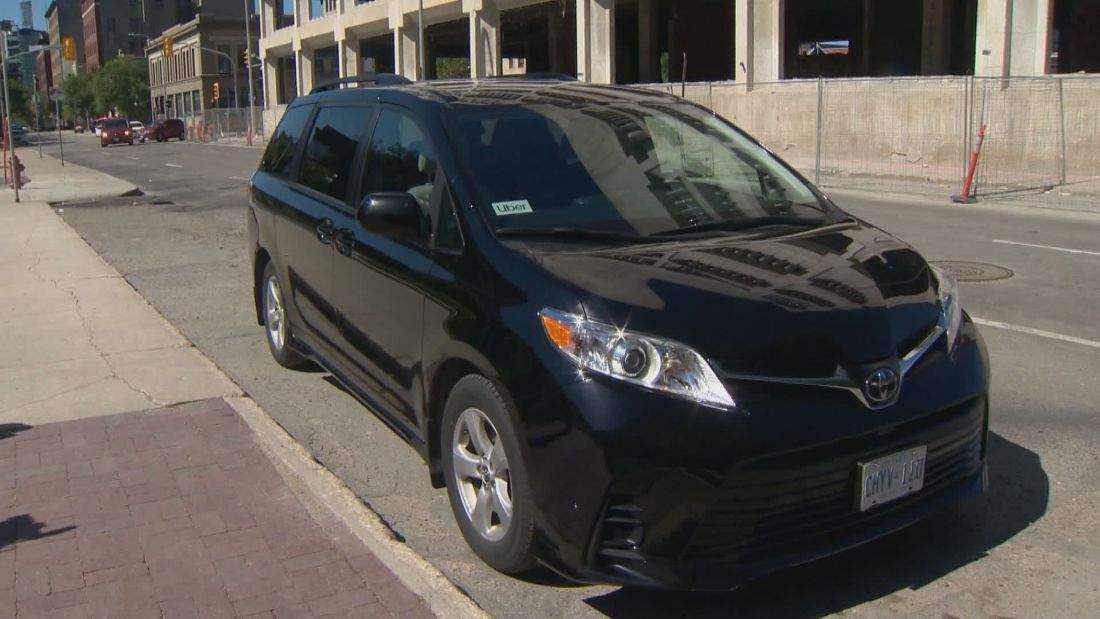
Insurance fraud within commercial and rideshare sectors exposes deep structural vulnerabilities in monopolistic public auto insurance frameworks. When Manitoba Public Insurance announced enforcement crackdowns targeting rideshare operators committing premium evasion and claims fraud in Winnipeg, the intervention highlighted a fundamental economic misalignment. The intersection of gig-economy business models and statutory public insurance creates specific vectors for financial malfeasance that standard regulatory oversight frequently fails to capture. Deconstructing this dynamic requires analyzing the cost functions, incentive structures, and operational mechanisms governing rideshare fraud.
The Economic Mechanics of Commercial Premium Evasion
The primary economic driver behind rideshare insurance fraud is the delta between personal vehicle insurance rates and commercial or statutory rideshare endorsements. Personal auto policies are priced based on commuter or pleasure risk profiles, which assume a lower vehicle-mileage exposure and no commercial passenger-liability risk. Conversely, commercial endorsements or mandatory rideshare coverages reflect the elevated frequency and severity profiles associated with high-density urban driving, fatigue, and passenger transport.
This pricing differential establishes an immediate financial incentive for operators to misrepresent their vehicle use profile. Underreporting commercial mileage or failing to secure the mandatory statutory endorsement allows drivers to capture the revenue upside of passenger transport while externalizing the true cost of risk onto the broader insurance pool.
[Personal Insurance Profile] ---> Lower Premium Cost ---> Reduced Liability Coverage for Commercial Use
[Rideshare Operation]        ---> Higher Risk Exposure ---> Premium Evasion Vector Activated
Within a public auto insurance monopoly like Manitoba Public Insurance, this creates a systematic cross-subsidization problem. Honest policyholders subsidize the unpriced risk of fraudulent operators. When claim volumes rise due to uninsured or underinsured commercial collisions, loss ratios deteriorate, forcing upward pressure on baseline premiums across the entire provincial driving population. Crackdowns by regulatory and public insurance entities are fundamentally capital-protection measures designed to restore actuarial balance rather than merely punitive law enforcement exercises.
Typologies of Rideshare Fraud
Rideshare fraud manifests across two primary vectors: ex-ante premium evasion and ex-post claims manipulation. Each operates under distinct behavioral incentives and requires specialized detection methodologies.
Ex-Ante Misrepresentation
Ex-ante fraud occurs before any loss event. Operators register vehicles under standard personal policies while actively logging hours on transportation network company platforms. Detection relies on data-matching protocols between regulatory bodies, insurance databases, and transportation network company trip logs. Because transportation network companies operate proprietary data silos, regulatory enforcement historically depended on roadside stops, sting operations, or whistleblower reporting. The shift toward structured data sharing between public insurers and platform operators narrows this informational asymmetry, transforming detection from a stochastic audit process into a systematic verification loop.
Ex-Post Claims Fabrication
Ex-post fraud occurs after a collision or loss event. When an accident happens during an active commercial trip, operators caught without proper commercial coverage frequently attempt to disguise the commercial nature of the trip. Tactics include instructing passengers to claim they are personal acquaintances, altering drop-off narratives, or timing accidents to coincide with offline periods on the network platform.
This behavior introduces severe friction into the claims adjudication process. Adjusters must reconcile telematics data, cellular tower pings, platform activity logs, and witness statements to establish the precise operational status of the vehicle at the exact timestamp of impact. The administrative cost of investigating these discrepancies represents a hidden tax on the insurance system, consuming investigative labor and delaying payouts for legitimate claimants.
The Regulatory and Enforcement Bottleneck
Public insurance models face unique institutional constraints when confronting rideshare fraud. Unlike private insurers who can rapidly adjust underwriting guidelines, reprice specific risk tiers, or exit unprofitable geographic markets, public insurers operate under statutory mandates to provide universal coverage at regulated rates. This creates a rigid operational framework where enforcement mechanisms must compensate for lack of commercial pricing agility.
The enforcement bottleneck consists of three interrelated friction points:
- Information Asymmetry: The real-time operational status of a rideshare driver is private data held by platform algorithms. Public insurers lack native visibility into when a driver toggles their app to active status unless formal data-sharing agreements or subpoena powers are exercised.
- Evidentiary Thresholds: Proving intentional misrepresentation requires establishing a clear paper trail or digital footprint linking commercial activity to the policyholder at the time of the infraction. Circumstantial evidence rarely satisfies the legal standard required for policy cancellation or fraud prosecution.
- Deterrence Deficit: If the expected value of the penalty (fine multiplied by the probability of detection) is lower than the cost savings of premium evasion, rational actors will continue to commit fraud. Traditional municipal or provincial fines often fail to outpace the cumulative savings of maintaining a personal-rate policy over multiple years of commercial driving.
Systemic Outcomes and Market Adaptations
The crackdown in Winnipeg signals a transition from passive risk management to active platform surveillance. As public insurers integrate digital verification workflows, the operational runway for casual fraud narrows significantly. However, enforcement alone does not resolve the structural tension between flexible gig-economy labor and rigid insurance classifications.
Long-term stability requires aligning insurance products with real-time usage data. Pay-per-mile or usage-based insurance models, where premiums scale dynamically with every active commercial mile logged via application APIs, eliminate the binary distinction between personal and commercial policies. By removing the cliff-edge pricing gap that incentivizes misrepresentation, insurers can neutralize the primary economic driver of rideshare fraud. Until such dynamic underwriting models achieve widespread statutory adoption, public insurers will remain locked in an enforcement cycle, utilizing targeted crackdowns to manage the structural deficit caused by unpriced commercial risk.