Water does not knock. It does not pause to reconsider its trajectory, nor does it ask whose photographs are pinned to the kitchen wall before it tears through the timber. It arrives as a grey wall, heavy with the weight of mountains, carrying mud, snapped pine trees, and the collective panic of a valley caught off guard.
Listen closely. You can still hear the roar of the Karnali if you stand too near the edge of memory. If you enjoyed this article, you should read: this related article.
In the high, folded ridges of Nepal, the monsoon does not merely rain; it presses down with an atmospheric violence that turns solid earth into liquid chaos. For days, the sky remains bruised and swollen, leaking water until the hillsides give up their grip. This is the reality behind the dry weather reports and the distant casualty counts broadcast on glowing screens thousands of miles away. Statistics are clean. Mud is not. Mud gets under your fingernails, clings to the wool of a grandmother’s shawl, and settles heavily into the floorboards of homes that stood for generations only to vanish in a single, breathless hour.
Consider what happens when the rivers swell beyond their banks. For another perspective on this development, check out the latest coverage from BBC News.
Maya knows this rhythm too well, though she prays every monsoon season that the water will forget her door. (Note: Maya is a composite character drawn from dozens of verified survivor accounts gathered across the flood-affected districts of Nepal.) Last week, she did not hear the flood coming; she felt it first. A deep, subterranean shuddering beneath the foundation of her house, like a freight train rolling through a living room. By the time she shouted to her husband and grabbed her youngest child, the floor was already ankle-deep in churning, chocolate-colored silt.
They ran upward, clawing their way toward a rocky outcrop while the swirling current swallowed the vegetable patch, the livestock shed, and the small tin-roofed kitchen where she had boiled tea just an hour prior.
"Mother was swept away," she whispered hours later, her voice hollowed out by shock, staring blankly at the grey expanse where her neighbor's home used to stand. Those five words carry the entire tragedy of South Asia's annual monsoon catastrophe. They are repeated in a hundred different dialects across shelters, makeshift medical camps, and riverbanks where volunteers and relatives sift through tangled heaps of debris with bare hands.
The search for the missing is a grueling exercise in quiet agony.
When the floodwaters recede, they leave behind an alien landscape. Familiar paths are buried beneath feet of gravel. Bridges hang by single, rusted cables over chasms of rushing white water. In this vacuum, families become search parties. They walk for miles along the banks of swollen tributaries, scanning the eddies and the massive piles of driftwood, hoping against hope for a sign, yet dreading what they might find. Every floating branch looks like a jacket. Every distant shout sounds like a call for help.
Why does this happen with such terrifying regularity?
The geography of the region is inherently fragile, sculpted by tectonic forces that push the Himalayas skyward faster than the weather can wear them down. Steep slopes are prone to landslides even in dry years. But human vulnerability has compounded the fury of nature. Deforestation strips the hillsides of their natural anchors. Unplanned infrastructure projects alter natural drainage patterns, funneling roaring torrents directly into rural settlements that once sat safely above the flood line. Climate change acts as an amplifier, loading the atmosphere with unprecedented amounts of moisture and turning normal seasonal rains into catastrophic deluges.
Yet, numbers rarely capture the human cost of waiting.
In the relief camps, time loses its shape. Days blend into sleepless nights spent on damp blankets, listening to the relentless patter of rain on blue plastic tarpaulins. Mothers try to distract toddlers with bruised fruit and broken toys salvaged from the mud, while men gather around transistor radios, straining to catch updates about blocked highways, breached dams, and emergency rescue helicopters that cannot fly because the cloud ceiling is too low.
Hope in these moments is a stubborn, fragile thing. It is found in the neighbor who shares a single cup of clean water. It is found in the rescue worker who wades waist-deep into freezing currents despite the danger of collapsing banks. It is found in the quiet resilience of people who have lost everything except the clothes on their backs and the resolve to rebuild.
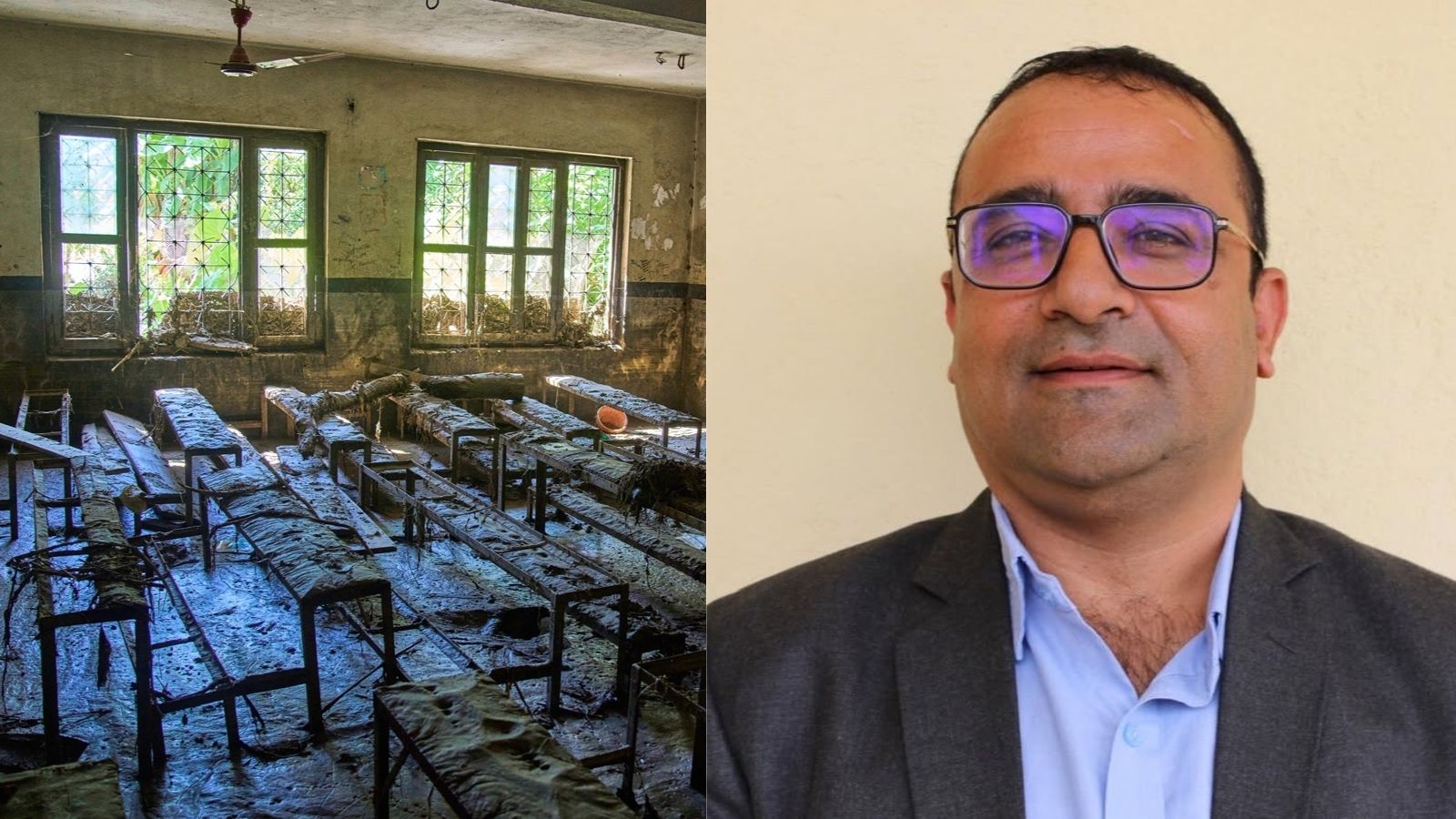
The river has moved on now, carving a new, wider bed through the valley, leaving behind fields of grey silt where green rice paddies once swayed in the breeze. But the water never truly leaves. It lives on in the silence of empty rooms, in the unanswered questions of those still searching for their kin, and in the heavy, lingering knowledge that the next monsoon is only a year away.