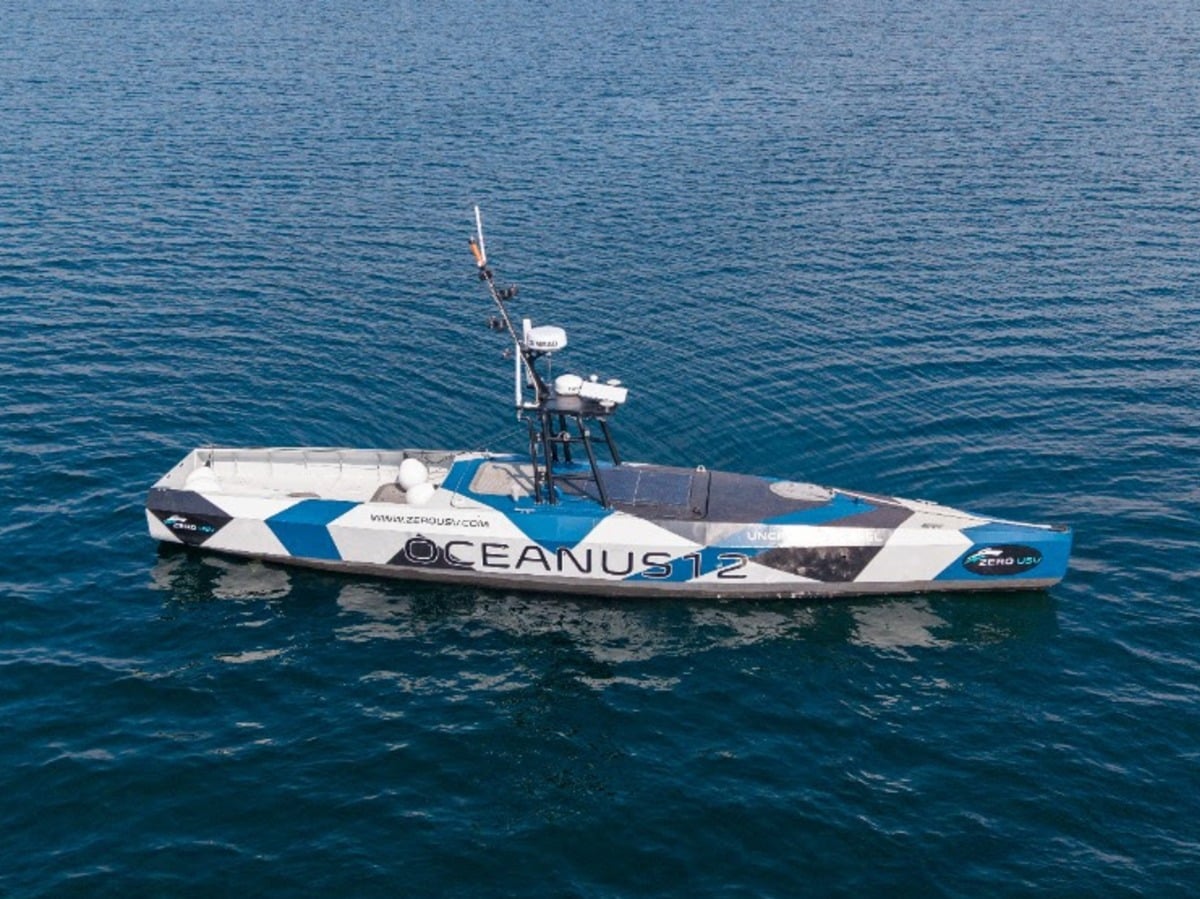
If you follow maritime defense news, you probably noticed the headlines about the Royal Danish Navy drone boat tests. Some outlets called it a British drone boat, others focused purely on the American origins of the tech, but almost everyone missed the real story. This isn't just a routine naval exercise or a temporary tech trial. It represents a massive shift in how small nations protect critical underwater infrastructure against modern sabotage.
The Danish Defence Acquisition and Logistics Organisation, known locally as FMI or DALO, quietly altered the math of Baltic Sea security. They deployed four Saildrone Voyager uncrewed surface vessels for an extended operational test. The results returned from these tests completely rewrite the rulebook for ocean surveillance. If you think autonomous boats are just an experimental gimmick, the hard numbers from the Danish trials will change your mind. You might also find this connected article interesting: The Engineering Mechanics of Singapores Shift to Large Scale Composite Naval Architecture.
What Happened During the Baltic Sea Trials
Naval operations usually stay wrapped in secrecy. But the data released after the six-month deployment of the Saildrone Voyager fleet in Danish waters is too significant to hide. Operating across the Baltic Sea, the North Sea, and strategic territorial chokepoints, these ten-meter autonomous vessels achieved something human crews simply cannot match.
The small fleet recorded more than 170,000 individual ships. They covered over 20,000 nautical miles. Most impressively, they managed a 92% operational uptime across the entire deployment. As highlighted in latest coverage by CNET, the implications are widespread.
To put that in perspective, conventional crewed patrol ships typically manage around 30% operational availability over their lifespans. Humans get tired. Engines need constant maintenance. Heavy seas force ships back to port. The autonomous platforms kept sailing through brutal northern European weather without dropping their connection or missing a single target.
The technology behind these vessels traces back to Saildrone, a company founded by British engineer Richard Jenkins. While the firm started in California, the growing tension in Europe prompted the establishment of a dedicated subsidiary, Saildrone Denmark, based right in Copenhagen. Backed by a 164 million DKK investment from EIFO, the Export and Investment Fund of Denmark, this project has deep local roots and immediate local utility.
Tracking the Hidden Threats of the Baltic
The Baltic Sea became an incredibly dangerous neighborhood over the last few years. Following high-profile attacks on underwater pipelines and communication cables, monitoring the sea surface has become a race against time. The primary weapon of bad actors in these waters isn't a massive warship. It is the dark target.
A dark target is a vessel operating with its Automatic Identification System turned off. When a commercial ship vanishes from standard tracking networks, it can drop anchor over a data cable or deploy saboteurs without anyone noticing until the internet goes down or gas pressure drops.
During the initial phase of the testing, which included a two-week demonstration for NATO Task Force X, the Voyager platforms were the only autonomous systems that successfully identified every single simulated hostile target. They did this by combining long-range radar, automatic AIS correlation, and smart onboard processing.
When a ship shuts off its transponder, the drone boat detects it via radar. The onboard computers realize there is a physical hull where no electronic signal claims to be. It flags the anomaly, snaps high-resolution imagery using its sensor array, and beams the data via secure satellite links directly to the Royal Danish Navy Command.
The Extreme Economics of Uncrewed Patrols
Navies worldwide are facing a retention crisis. Young people aren't rushing to spend months confined to a steel hull in freezing seas. Beyond the staffing shortages, building and fueling traditional patrol vessels is ruinously expensive.
Peder Lundquist, the head of EIFO, pointed out that these autonomous platforms achieve comprehensive maritime surveillance at a tiny fraction of the cost of a traditional patrol ship. They don't require hundreds of thousands of gallons of marine diesel. The core design relies on a solid wing sail that harvests wind power for propulsion. Solar panels cover the deck to keep the computers, cameras, and radar units running continuously.
The vessels do carry auxiliary diesel-electric engines for precise maneuvering or when the wind dies completely. However, the wind does the heavy lifting. This hybrid setup gives the platform virtually unlimited range and endurance. It can sit on a specific station for months, acting as a permanent radar picket line across vulnerable maritime chokepoints.
Expanding the Mission to the Arctic Front
The Baltic trials were just the first step. The Royal Danish Navy is already applying these lessons to a much harsher environment. Jan Stripp, who commands the navy's Subsurface and Seabed Warfare division, recently took his teams far outside their comfort zone to Nuuk, Greenland.
Working alongside Canadian forces under the Arctic Endurance framework, Danish sailors are testing how different drone systems handle deep, ice-cold Arctic waters. The environment around Greenland features radical temperature shifts and complex underwater typography that completely change how sensors behave.
While the surface-bound Saildrones are busy mapping what happens above the water, the navy's subsurface units are deploying underwater drones to monitor the seabed directly. The goal remains identical: building a flawless, real-time picture of everything happening across the entire Danish Realm, which includes Denmark, Greenland, and the Faroe Islands.
By operating a toolbox system, the navy can mount different sensors onto autonomous platforms depending on the mission. If they need to watch a shallow shipping lane in the Kattegat, they send a wind-powered surface drone. If they need to check a deep-sea cable off the Greenlandic coast, they drop a mobile underwater asset from a shared allied platform.
Why the Drone Fleet Won't Replace Sailors Entirely
There is a common misconception that adopting autonomous technology means firing sailors and scrapping traditional warships. That is bad analysis. The Royal Danish Navy isn't trying to automate its entire surface combatant fleet out of existence.
Instead, autonomous systems act as force multipliers. When a drone handles the mind-numbing, repetitive task of sailing back and forth across a shipping lane for ninety days, it frees up high-value crewed frigates for complex missions. A human captain shouldn't spend weeks looking at blank radar screens when an autonomous wing sail can do it automatically.
The real challenge lies in data management. Deploying dozens of autonomous eyes means a massive flood of real-time intelligence hits naval headquarters every hour. The navy has to rely on advanced software to filter out the noise. If a drone detects a standard container ship behaving normally, the system logs it and moves on. If it spots a fishing trawler lingering over a trans-Baltic data link with its tracking system disabled, the system alerts a human operator immediately.
The Reality of Autonomous Safety at Sea
Putting an uncrewed ten-meter boat into crowded European shipping lanes sounds like a recipe for a maritime accident. Commercial captains and recreational sailors have expressed valid concerns about sharing the water with robot vessels.
The safety protocols built into these platforms are incredibly strict. Saildrone operates a mission control center that tracks every hull around the clock. More importantly, the boats run an automated collision avoidance system that operates independently of the satellite link.
If another vessel gets on a dangerous intercept course, the drone boat doesn't play chicken. It recognizes the danger at a distance, halts its forward progress, and holds its position until the crewed ship passes safely. If a human skipper gets nervous, the drones monitor standard maritime VHF Channel 16. You can call them up, and the remote safety pilots can steer the vessel manually if a weird situation develops on the water.
Next Steps for Maritime Security Officers
If you are responsible for port security, infrastructure protection, or maritime logistics, you cannot ignore the data coming out of Denmark. The era of relying solely on AIS data and occasional coast guard patrols is officially over.
To prepare for this shift in coastal security, consider these practical steps:
- Audit your underwater vulnerabilities: Map the exact paths of your data lines, power cables, or pipelines against high-traffic shipping lanes.
- Stop relying on passive tracking: Assume that serious bad actors will operate dark vessels. Your security plans must incorporate active radar or visual verification, not just digital AIS feeds.
- Integrate multi-domain data: Ensure your land-based security networks can ingest real-time data feeds from autonomous surface or subsurface systems.
The Royal Danish Navy proved that autonomous surveillance works in the worst possible weather conditions. The technology is proven, the financial savings are real, and the threat to undersea infrastructure isn't going away. It is time to adapt to a much busier, much more automated ocean.