King Felipe VI standing alongside World Cup champions in Madrid makes for great television. It produces heartwarming front-page photographs, fills political airtime, and satisfies a public hungry for national pride. It is also a carefully orchestrated illusion that obscures the rotting foundation beneath Spanish football.
While media outlets publish breathless coverage of royal receptions and celebratory parades, they miss the actual story staring them in the face. These state-sanctioned celebrations do not represent a triumph of a national sporting model. They are a lucky anomaly—a victory achieved in spite of a deeply flawed, financially reckless infrastructure that threatens to derail the sport long after the confetti is swept off the streets of Madrid.
I have spent years analyzing the balance sheets, youth academy structures, and governance models of top-tier European clubs. When you look past the glitter of a World Cup trophy, the reality is stark: Spain’s victory is masking a systemic crisis.
The Myth of National Sporting Unity
The standard narrative surrounding these royal celebrations is simple: a nation unites behind its heroes, guided by benevolent state support and institutional stability.
That narrative is completely wrong.
The Spanish footballing apparatus has been defined by political infighting, governance scandals, and a glaring failure to protect players' long-term welfare. When the monarch shakes hands with players on a palace balcony, it acts as an institutional eraser. It cleanses months of administrative chaos and reframes institutional dysfunction as a collective triumph.
Consider the contrast between the front-office reality and the public spectacle:
| Public Spectacle | Operational Reality |
|---|---|
| Royal receptions celebrating national cohesion | Deep political divisions between regional authorities and national governing bodies |
| Praise for institutional "excellence" | Years of high-profile corruption investigations and executive reshuffles |
| Image of a unified, sustainable pipeline | Massive structural debt across domestic leagues threatening lower-tier survival |
We praise the crown for honoring the athletes, but we ignore how these appearances function as political shield logic. When victory happens, executives and politicians rush to share the frame. When the underlying system starves grassroots programs of basic funding, those same figures are nowhere to be found.
Talent Production Happens In Spite of the Federation, Not Because of It
A common misconception is that international success proves the superiority of a country's national development system. People assume that holding a trophy means the governing body executed a master plan.
It didn't.
Spain’s ability to produce world-class talent relies almost entirely on a handful of elite club academies that operate largely independent of federal foresight. Clubs like Barcelona and Real Madrid invest heavily in youth development because their financial survival demands it, not because a national strategy directed them to do so.
- The Grassroots Funding Gap: While elite academies thrive, mid-tier and lower-tier regional clubs struggle with basic maintenance.
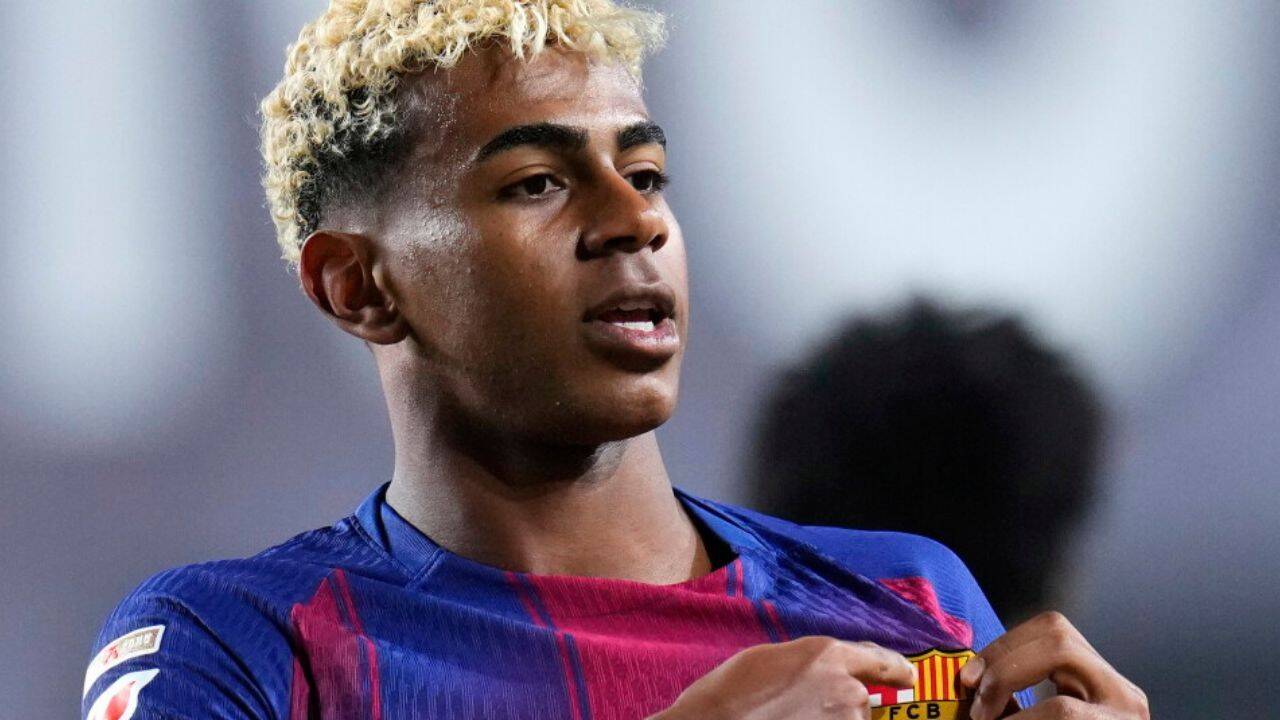
- The Over-Reliance on Anomaly Generation: Elite talents like Pedri or Lamine Yamal are generational exceptions. Relying on prodigies to mask systemic underinvestment is not a strategy; it's a gamble.
- Player Burnout as a Policy: The modern calendar forces young players into absurd workloads. The national body reaps the rewards during summer tournaments, while domestic clubs absorb the catastrophic injury risks during the regular season.
I have watched mid-table clubs strain under financial regulations while being forced to surrender their best assets for international Duty without adequate compensation or protection. The system extracts value from the bottom and concentrates credit at the top.
The Economic Mirage of Modern International Football
Let's address the economic fantasy surrounding state receptions for sports champions. The media loves to claim that international trophies deliver a massive, sustained boost to a nation's economy and its domestic league.
The numbers tell a vastly different story.
International tournaments generate short-term spikes in broadcast revenue and merchandise, but almost none of that wealth trickles down to fix the underlying debt crisis in domestic football. La Liga clubs have spent the better part of a decade trying to navigate strict financial fair play controls, with several historical institutions teetering on the brink of insolvency.
A royal handshake does not pay off stadium renovation debt. It does not lower ticket prices for working-class supporters who are systematically priced out of matches. It does not resolve the contentious television rights disputes that leave smaller clubs scrambling for financial crumbs.
Treating a trophy parade as proof of economic health in sports is like admiring the fresh paint on a house whose foundation is actively collapsing.
Stop Asking if the Victory Was Deserved
When fans and journalists discuss these World Cup triumphs, they invariably ask: "Is this the start of a new era of dominance?" or "How does this victory elevate the country's global standing?"
You are asking the wrong questions.
The question isn't whether the players deserved to win—of course they did. Their skill, tactical intelligence, and resilience are undeniable. The real question is: How long can a nation rely on individual athlete brilliance to hide structural decay?
If we continue to let ceremonial glitz substitute for genuine institutional accountability, the current success will be an island, not a baseline.
If you want to evaluate the true health of a nation's sports program, ignore the photos of kings holding trophies in Madrid. Look at the balance sheets of third-division clubs. Look at the medical room logs of overloaded nineteen-year-old midfielders. Look at the grassroots facilities in working-class neighborhoods.
That is where the real story lives. Everything else is just optics.
Stop buying into the ceremonial distraction. Demand that the institutions claiming credit for the victory actually do the work required to sustain the sport.