Trust is a quiet architecture. It takes years to lay its foundations, brick by careful brick, built on the shared assumption that those who wear the mantle of the sacred are somehow insulated from the darker currents of human nature. People walk through heavy wooden doors seeking refuge, carrying quiet grief, marital fractures, or the heavy weight of an immigrant experience in a new land. They bow their heads. They press their palms together. They look up at the altar and see a mirror of divine protection.
Then, the floor gives way.
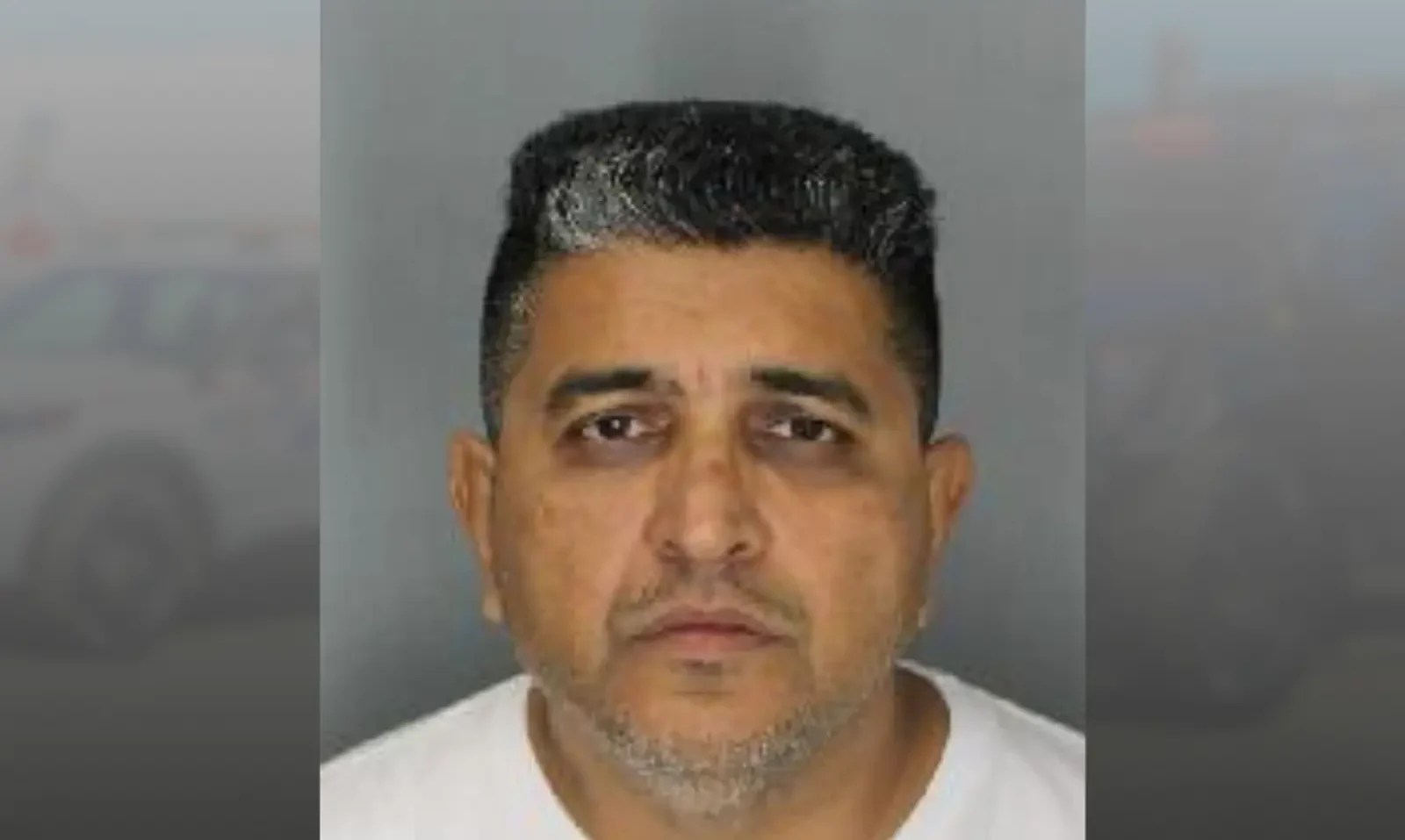
When news breaks that a New York-based Hindu priest has been charged with sexual assault in Oshawa, Ontario, the immediate reaction is not merely shock. It is a profound, sickening vertigo. For the community gathered around the local temple, the holy space instantly transforms from a sanctuary into a crime scene of the spirit.
Consider what happens inside a close-knit diaspora community when an institutional pillar fractures. Temples are rarely just places of worship. They are cultural anchors, social clubs, counseling centers, and the primary lifeline for families trying to preserve their identity thousands of miles away from their ancestral homes. To accuse a spiritual leader of a violent sexual offense within that ecosystem is not an isolated legal incident. It is an earthquake that sends tremors through every wedding, every festival, and every quiet prayer whispered in the dark.
Police in Durham Region released the details with clinical precision. Arrests. Charges. Court dates. Yet, police reports rarely capture the invisible collateral damage. They do not measure the sudden silence that falls over dinner tables when families whisper about the news. They do not quantify the erosion of faith that happens when a survivor realizes that the person holding the keys to the temple doors is the very threat they needed protection from.
Abuse within religious institutions relies on a terrifyingly simple dynamic: asymmetry of power. A priest commands respect not just through charisma, but through the weight of tradition. He stands between the mortal and the divine. When that authority is weaponized, the victim faces a wall of institutional denial, community skepticism, and their own internalized guilt. How could this happen here? How could I have misread him?
These are the questions that haunt survivors long after the headlines fade.
Look closely at how communities react to these revelations. The initial phase is almost always disbelief. Denial acts as a psychological defense mechanism. To accept that a spiritual guide could commit such an act is to accept that the community itself failed to protect its most vulnerable members. Whispers start in parking lots. Accusations of slander are thrown before the facts are even fully understood. Protect the institution, the older voices murmur, fearing that the actions of one man will stain the reputation of an entire faith or culture.
That instinct to protect the collective over the individual is precisely where the danger lies.
When accountability is delayed or discouraged, the abuse deepens. Every time a community rushes to defend a perpetrator out of misplaced loyalty to a symbol, they inflict a second wound on the survivor. The pursuit of truth becomes an uphill battle against closed doors and guarded community leaders.
Yet, justice requires light. It demands that the sacred be stripped of its immunity when it shields the profane.
The charges laid against this priest in Oshawa force an uncomfortable reckoning. They strip away the romanticized view of religious spaces as immune to the grim realities of modern crime. Sexual assault does not care about holy robes, ancient languages, or sacred geometries. It thrives wherever power goes unchecked and vulnerability is exploited.
For those who have lived through the slow, agonizing process of untangling trauma from faith, stories like this reopen old scars. They remember the exact moment the illusion cracked. They remember the weight of the silence that followed. But within that pain also lies the beginning of a hard, necessary healing. Every time a survivor steps forward, every time law enforcement breaks through the wall of cultural silence, the architecture of impunity begins to crumble.
We are left to pick through the rubble of a shattered trust, tasked with building something truer, something anchored not in blind reverence for titles, but in radical accountability, transparency, and an unwavering commitment to the safety of the vulnerable.
The altar remains empty, draped in shadows, waiting to see what rises from the dust.