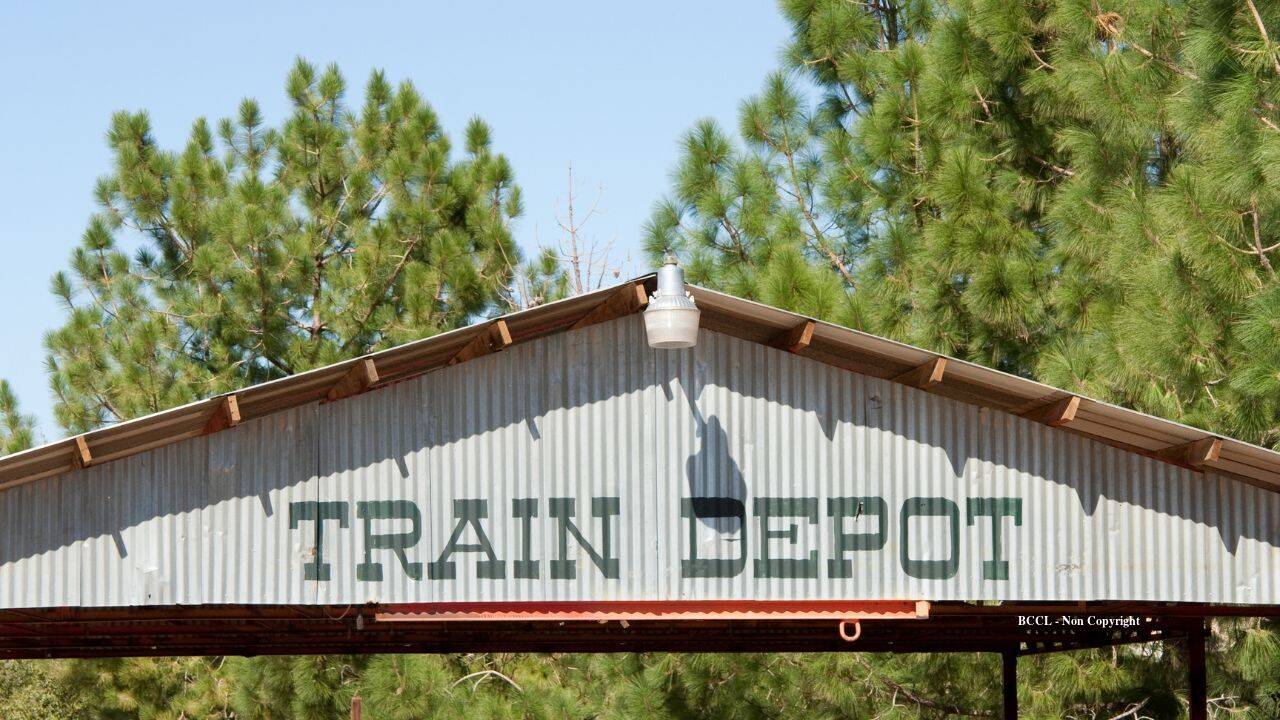
Everyone loves a good redemption story. A century-old brick shell sits rotting beside rusted iron tracks, swallowed by weeds and forgotten by progress. Enter the local preservationists, armed with government grants, civic pride, and a total disregard for basic economics. They call it heritage. I call it a financial black hole.
The media narrative surrounding the multi-million-dollar resuscitation of 144-year-old Indiana train depots follows a tired, predictable script. We are told that pouring public subsidies and private donations into crumbling masonry will somehow revitalize downtown corridors, spark economic miracles, and honor our ancestors. It is a warm, fuzzy fairy tale that crumbles the moment you look at a balance sheet. I have watched municipal leaders burn through capital reserves trying to resurrect dead architectural corpses while actual infrastructure crumbles beneath their feet.
Let us dispense with the nostalgia immediately.
The Sentimentality Trap
Heritage preservation is treated as an unquestionable moral good. If you question the wisdom of spending two million dollars to restore a Victorian freight depot that nobody uses for freight anymore, you are branded a municipal vandal.
Here is the fundamental reality the preservation lobby conveniently ignores: historical utility does not equal modern viability. A 19th-century railway station was designed for a world of coal smoke, telegraph wires, and dense pedestrian commuter traffic moving at fifteen miles per hour. It was built for an era where the rail line was the literal umbilical cord of the community.
That world is gone. Telecommunications, decentralized supply chains, and rubber-tire logistics rendered these structures obsolete decades ago. Trying to force a modern community center, artisanal coffee shop, or boutique office space into a cramped, drafty, heavily regulated historic footprint is an exercise in expensive gymnastics. You end up spending triple the cost per square foot compared to new construction, all while dealing with asbestos remediation, structural settling, and rigid historical zoning boards that fine you for using the wrong shade of paint.
Imagine a scenario where a private developer proposes building a functional, high-density mixed-use facility on that exact same parcel without historical constraints. They could build something people actually need, like affordable housing or modern light industrial space. Instead, the land is hijacked to serve as an expensive monument to how things used to be, funded largely by taxpayers who will never step foot inside the restored waiting room.
The Economic Fallacy of Downtown Revitalization
The central argument for these restorations is that they act as catalysts for downtown regeneration. Bring back the old depot, the theory goes, and the surrounding storefronts will magically fill with boutiques and bistros.
This is backward. Buildings do not create economic activity; economic activity creates buildings. When you artificially inject millions of dollars into a dead zone simply because the bricks are old, you are treating the symptom while ignoring the disease. If a town lacks the population density, job growth, or consumer purchasing power to sustain organic commercial development, a shiny restored train station will not save it. It will just become an expensive venue for high school proms and weekend antique shows that loses money every single quarter.
I’ve seen towns blow their entire economic development budgets on vanity projects like this, leaving themselves with zero capital to fix actual growth drivers like high-speed broadband infrastructure, vocational training partnerships, or utility modernization. They prioritize looking historic over being functional.
The honest truth about these projects is that they exist to soothe civic anxiety. Local politicians love cutting ribbons on restored landmarks because it gives them a tangible thing to point to during election season. It is much easier to point at a freshly tuck-pointed brick facade than it is to admit that your local tax base is shrinking and your manufacturing sector has permanently relocated.
The Cost of Regulatory Paralysis
Let us talk about the hidden tax of historical designation. Once a building gets slapped with historic status, every single decision regarding its upkeep requires bureaucratic permission.
Need to install energy-efficient windows to lower heating bills? Too bad, you have to custom-order period-accurate wooden frames that cost five times as much and leak heat like a sieve. Need to upgrade the roof to withstand modern wind loads? Prepare for a six-month battle with a committee of preservation purists who care more about slate tile aesthetics than structural integrity.
This regulatory swamp guarantees that maintenance costs will perpetually outpace revenue. A standard commercial building is a depreciating asset that requires a predictable capital expenditure schedule. A historic building is an infinite money pit wrapped in red tape. Every dollar spent on preserving lead paint and rotting timber is a dollar diverted from productive enterprise.
What We Should Be Doing Instead
If we genuinely care about honoring our industrial past, we should stop treating old buildings like holy relics and start treating them like real estate.
If a structure has adaptive reuse potential that pencils out on a spreadsheet without massive public subsidies, great. Let the free market buy it, fix it, and monetize it. But if a 144-year-old depot has been abandoned for decades, there is usually a very good economic reason for it. The market voted with its feet long ago.
When the money runs out—and it always runs out once the initial grant funding dries up—the burden of maintenance falls squarely back onto local taxpayers. You are left subsidizing a white elephant that requires municipal bailouts year after year just to keep the lights on in a museum nobody visits.
Stop funding architectural nostalgia. Let the dead buildings rest, and put that capital into the future instead of the past.