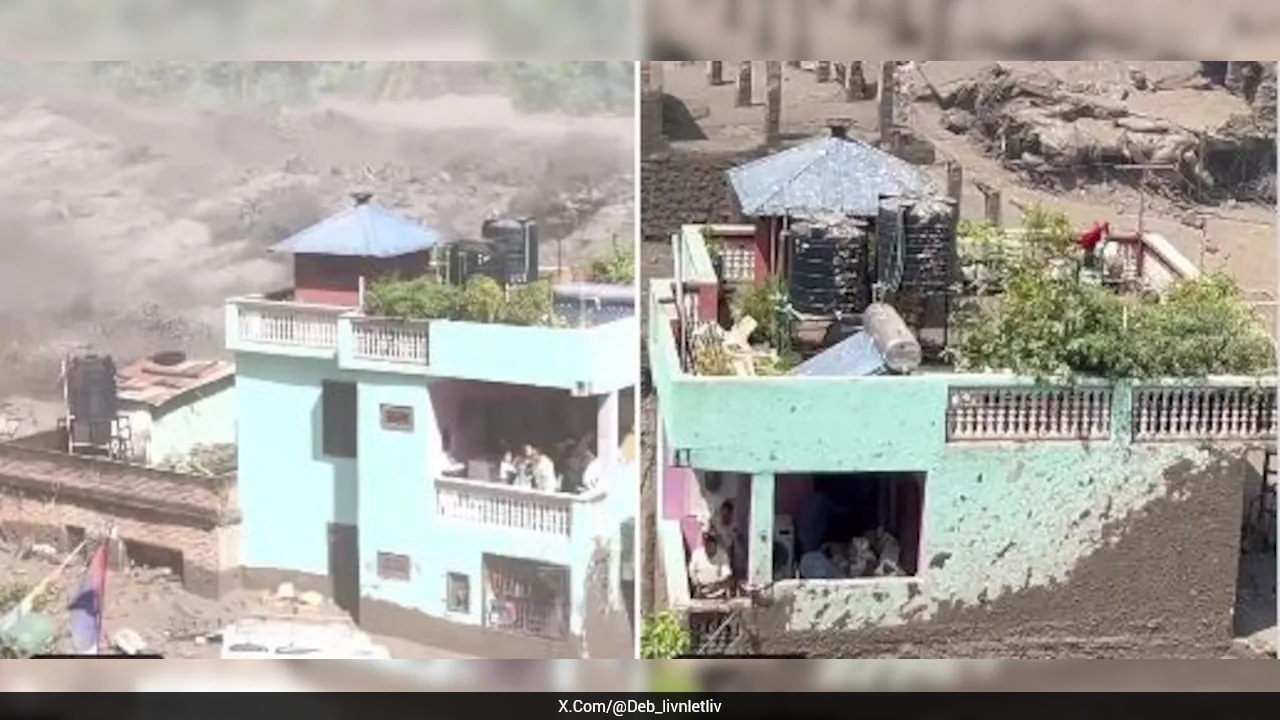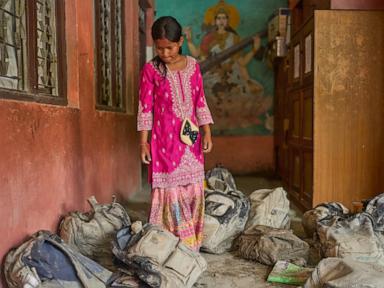
Every monsoon season, the media trots out the same lazy narrative. A flash flood hits South Asia, roads wash out, mud swallows homes, and a school happens to empty out ten minutes before a disaster strikes. The headlines practically write themselves. Saved by a lunch break. The comforting takeaway is that divine timing or sheer dumb luck saved the innocent children from structural catastrophe.
It makes for great emotional television. It is also a catastrophic distraction from the real design failure happening right in front of us.
When we obsess over the statistical anomaly of children dodging a falling roof because they happened to be eating rice outside, we ignore the architectural malpractice that built those death traps in the first place. We celebrate a lucky break while ignoring the systemic incompetence that puts classrooms directly in the path of predictable torrents. Stop treating geography like an act of God when it is actually an act of human negligence.
The Fallacy of Random Disaster
For decades, international aid organizations and local ministries have framed riverine flooding as an unpredictable tax on development. That framing is a lie. Hydrologists know exactly where the water goes. Topographical maps do not hide secrets. When a school washes away, it is rarely because nature acted with malicious surprise. It is because someone decided to pour concrete on a historical floodway to check a box on a rural development quota.
I have walked through disaster zones across the region, dodging silt-caked textbooks and staring at hollowed-out foundations where classrooms stood forty-eight hours prior. The local engineers always shrug and blame the unusual intensity of the precipitation. They talk about changing weather patterns as if monsoons are a recent invention.
Let us be entirely precise about what is happening here. When a mud-brick or poorly reinforced concrete school collapses into a swollen river, you are not witnessing a natural disaster. You are witnessing a structural audit of political indifference.
The lazy consensus says we need better early warning systems. We need sirens, evacuation drills, and text alerts so kids can run away faster when the water rises. That is a coward's solution. If your primary mitigation strategy involves children sprinting for higher ground while their backpacks float downstream, your entire infrastructure model is bankrupt.
The Architecture of Complacency
Fixing this problem requires looking past the heartwarming survival stories and examining the perverse incentives driving rural construction. Local contractors cut corners on rebar because oversight is weak. Ministries rubber-stamp blueprints in capital cities without ever walking the riverbanks during high water. International donors hand out checks for post-disaster reconstruction because rebuilding ruins plays better on social media than funding boring, preventative drainage engineering.
Imagine a scenario where we stop rebuilding schools in the exact same riverbeds after every major storm. Imagine if we treated site selection as a non-negotiable legal boundary rather than a flexible guideline.
The pushback is always predictable. Land is scarce. Budgets are tight. Communities want their schools within walking distance.
These are excuses, not constraints. Building a cheap school on a flood plain is not saving money; it is installment buying on a catastrophe. You pay a little bit upfront for the cheap concrete, and then you pay fifty times over in human capital, emergency response costs, and lost educational epochs every five years when the monsoon collects its due.
What Real Mitigation Looks Like
If you want to protect students, you have to abandon the charity mindset and adopt a cold, hard risk-management framework.
First, mandate elevated stilt construction for any public building within five kilometers of a seasonal waterway. This is not rocket science. Coastal communities have built on pilings for centuries. Yet, inland bureaucrats insist on slapping ground-level slab foundations right in the middle of alluvial plains.
Second, decentralize site approval. The people signing off on school locations need to live downstream from them. When local accountability matches hydrological reality, poor choices suddenly become a lot less common.
Third, stop celebrating the lunch break miracle. Every time a news outlet praises the lucky timing of a recess bell, they absolve the planners who greenlit the dangerous location. Luck is not a strategy. When luck runs out, the headlines shift from heartwarming escapes to casualty counts.
We do not need more inspirational stories about children surviving structural idiocy. We need fewer idiots designing the structures. Tear down the buildings in the flood zones, move them to the ridges, and stop waiting for the next mealtime to save your investments from your own bad planning.