The containment of digital hostility directed at elite athletes has entered an unmanageable phase, characterized by a complete breakdown of historical baseline thresholds. During the group stage of the 2026 FIFA World Cup, FIFA’s Social Media Protection Service (SMPS) verified 89,000 explicitly abusive posts and comments across major platforms. This volume represents a 1,228 percent expansion from the 6,700 flagged interactions recorded during the equivalent phase of the 2022 tournament in Qatar. Attempting to explain this shift through general behavioral fluctuation oversimplifies the reality. This exponential curve is driven by the structural intersection of tournament expansion, systemic moderation friction, and the amplification loops inherent in programmatic digital feeds.
Understanding the mechanics behind this surge requires moving past raw totals to analyze the operational data funnel. The 13-fold increase in validated abuse occurred alongside a much smaller 33 percent increase in total audited data, with the system scanning six million posts in 2026 compared to 4.5 million in 2022. This structural mismatch proves that the growth of toxicity is independent of total conversation volume. Digital platforms have shifted toward high-yield, hyper-targeted abuse delivery, outracing institutional defensive frameworks. Also making headlines recently: The Broken Promise of the Bleacher Seat.
The Architecture of the Moderation Funnel
The technical reality of modern content policing can be conceptualized as a three-stage filtering system. Friction at any point in this sequence causes a compound failure at the final layer.
Total Ingested Volume (6M)
       ↓
Automated Flagging Layer (225k flagged by AI)
       ↓
Human Verification Engine (89k verified as toxic)
       ↓
Enforcement Actions (181k hidden, 1k escalated)
The first filter relies on automated algorithmic scanning. Out of six million scanned inputs, algorithmic classifiers flagged 225,000 instances for manual inspection. This yields a raw flagging efficiency of 3.75 percent. The primary issue at this level is semantic variability. Automated tools struggle to process highly contextual language, local idioms, emoji combinations, and deliberate spelling variations used to bypass standard keyword blocklists. Further details into this topic are covered by Sky Sports.
The second filter depends on human verification. Human moderation teams reviewed the 225,000 flagged items, verifying 89,000 as objectively toxic or abusive. This confirms a 39.5 percent precision rate for the automated filtering layer. The remaining 60.5 percent constitutes false positives, which place a heavy operational burden on human reviewers during high-velocity tournament windows.
The third filter involves the enforcement mechanisms. Once verified, the SMPS hid 181,000 comments—a figure that includes automated bulk suppression alongside verified manual removals—and escalated roughly 1,000 accounts for structural investigation. The gap between verified abuse and legal escalation highlights a major enforcement bottleneck. Only 1.12 percent of verified abusive accounts met the strict evidentiary thresholds required for local or international law enforcement referral.
Structural Drivers of the Toxicity Multiplier
The surge in digital toxicity is directly tied to the structural mechanics of the tournament's expansion. Expanding the group stage format from 32 teams to 48 teams changed the social media landscape. This adjustment did not just add 16 teams; it introduced entirely new fan ecosystems, distinct geopolitical dynamics, and regional digital subcultures.
Toxicity Output = (Population Base × Algorithmic Velocity) / Platform Liability
This model shows that when tournament scale increases, the total volume of abuse grows non-linearly due to the compounding effect of platform algorithm design.
The design of modern content algorithms accelerates this process. Platforms prioritize user retention and attention share, which means algorithmic discovery engines favor high-arousal content. Hostile interactions inherently generate deeper engagement metrics, such as expanded comment sections and quote-shares. This systemic bias creates a circular loop: hostile content gets algorithmically boosted, exposing a larger audience to toxic text, which then normalizes the behavior and encourages copycat interactions.
This issue is compounded by a major gap in platform liability. While FIFA deploys the SMPS as an external protective layer, the underlying technical infrastructure remains under the control of private social media corporations. Because these platforms face little direct regulatory or financial punishment for hosting toxic sports discourse, they lack the commercial incentive to re-engineer their core algorithms to suppress engagement-heavy, high-arousal hostility.
The Polarization of Targeted Abuse
The data reveals a stark shift toward severe, highly targeted forms of abuse. Racially motivated content accounted for 11 percent of all verified toxic interactions during the group stage. This is a three percent increase from the baseline observed during the group stage in Qatar. FIFA characterized this development as a clear increase in the most offensive, objectively harmful material on these networks.
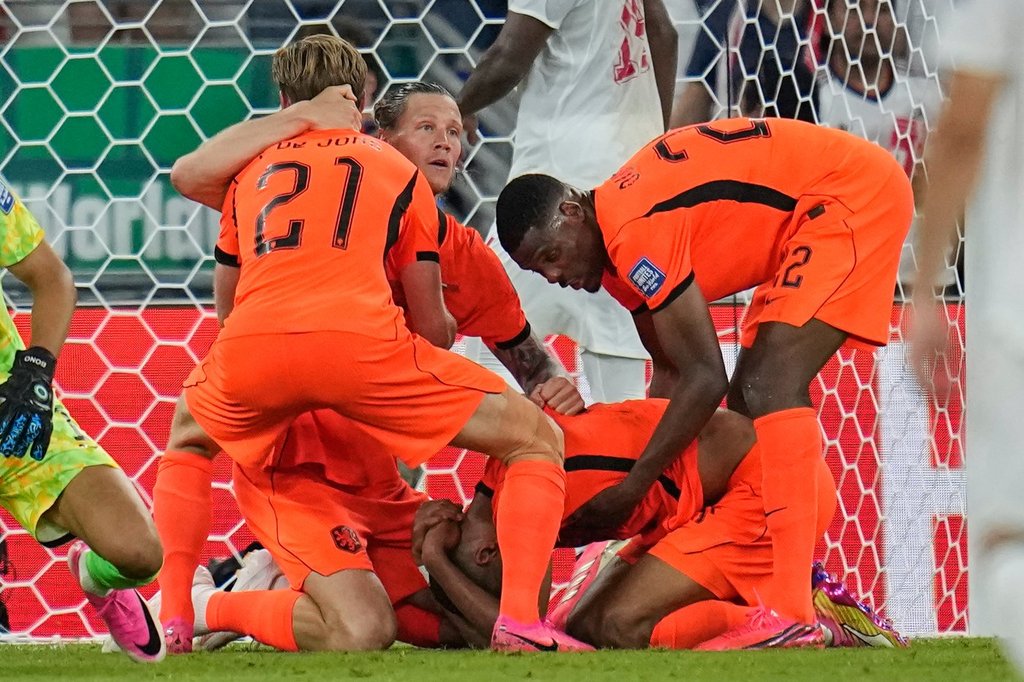
The timing of these targeted campaigns points to a clear pattern: digital hostility spikes around critical sporting failures. For example, following the Netherlands' elimination via a penalty shootout, players who missed their spot-kicks faced concentrated waves of discriminatory and racist attacks online.
Sporting Failure (e.g., Shootout Miss)
       ↓
De-individualization via Anonymous Accounts
       ↓
Concentrated Influx of Targeted Hate
This pattern shows that online abuse is rarely a continuous stream. Instead, it occurs in sudden, highly concentrated bursts triggered by specific match events, overwhelming standard real-time moderation defenses.
The psychological mechanics of online anonymity drive this behavior. High-stakes tournaments lower normal behavioral inhibitions through group polarization. When a player misses a penalty, the collective frustration of a fanbase quickly focuses on that single athlete. Because users feel insulated by pseudonymous accounts, individual accountability disappears, transforming standard sporting criticism into coordinated harassment campaigns.
The Limits of Institutional Defense
To counter this trend, governance bodies have combined digital tools with on-pitch rules, though both approaches face clear operational limits. FIFA introduced the "No Racism Gesture"—a protocol allowing players to cross their wrists to signal discriminatory targeting to the referee. This gives officials the authority to halt, suspend, or abandon matches.
While this system addresses stadium behavior, it cannot fix the digital problem. On-pitch rules cannot stop asynchronous, off-stadium digital abuse. A player might use a physical gesture to signal abuse from the stands, but that action does nothing to slow a wave of thousands of automated bot accounts flooding their personal profiles during the exact same match window.
Defensive Frameworks & Systemic Bottlenecks:

1. Digital Filtering (SMPS)
   - Capability: Suppresses content on official channels.
   - Limitation: Cannot modify platform algorithms or police private messages.

2. On-Pitch Protocol (No Racism Gesture)
   - Capability: Addresses real-time stadium incidents.
   - Limitation: Completely isolated from online networks.

3. Judicial Referral
   - Capability: Builds files for law enforcement.
   - Limitation: Delayed by cross-border jurisdictional friction.
These limitations show that current defensive strategies are fragmented. They attempt to manage the symptoms of digital hostility rather than fixing the underlying platform mechanics that allow it to spread.
The legal strategy faces similar structural roadblocks. Even though the SMPS identified over 100 cases meeting the legal criteria for prosecution, pursuing these cases requires navigating complex international legal frameworks. Because digital actions cross multiple borders, tracking down a pseudonymous user requires cooperation across different legal jurisdictions and private platform boundaries. This friction delays enforcement, breaking any immediate link between committing an offense and facing consequences.
Capital and Jurisdictional Deterrence
To protect the workforce and maintain the commercial stability of major sporting events, soccer authorities must shift from reactive moderation to a strategy focused on financial and legal deterrents. The current approach of hiding and filtering comments is a temporary fix for an expanding problem. A sustainable solution requires changing the cost-benefit equation for both anonymous abusers and the platforms that host them.
The most direct path forward involves establishing clear financial penalties for platforms that fail to protect participants. Governing bodies should tie future tournament media access and broadcasting credentials to strict platform performance metrics. If a platform refuses to build direct, high-priority APIs that allow sports protection services to instantly suspend abusive accounts, that platform should face immediate restrictions on its tournament branding rights and on-site media access.
Concurrently, sports federations must work to remove the shield of digital anonymity during major events. This can be achieved by working directly with mobile operating system providers and identity verification services. By creating authenticated "athlete protection zones," players could choose to lock their public digital profiles so they only accept interactions from verified, real-identity accounts during tournament windows. This step removes the protection of anonymity, forcing users to accept real-world accountability for their digital behavior.