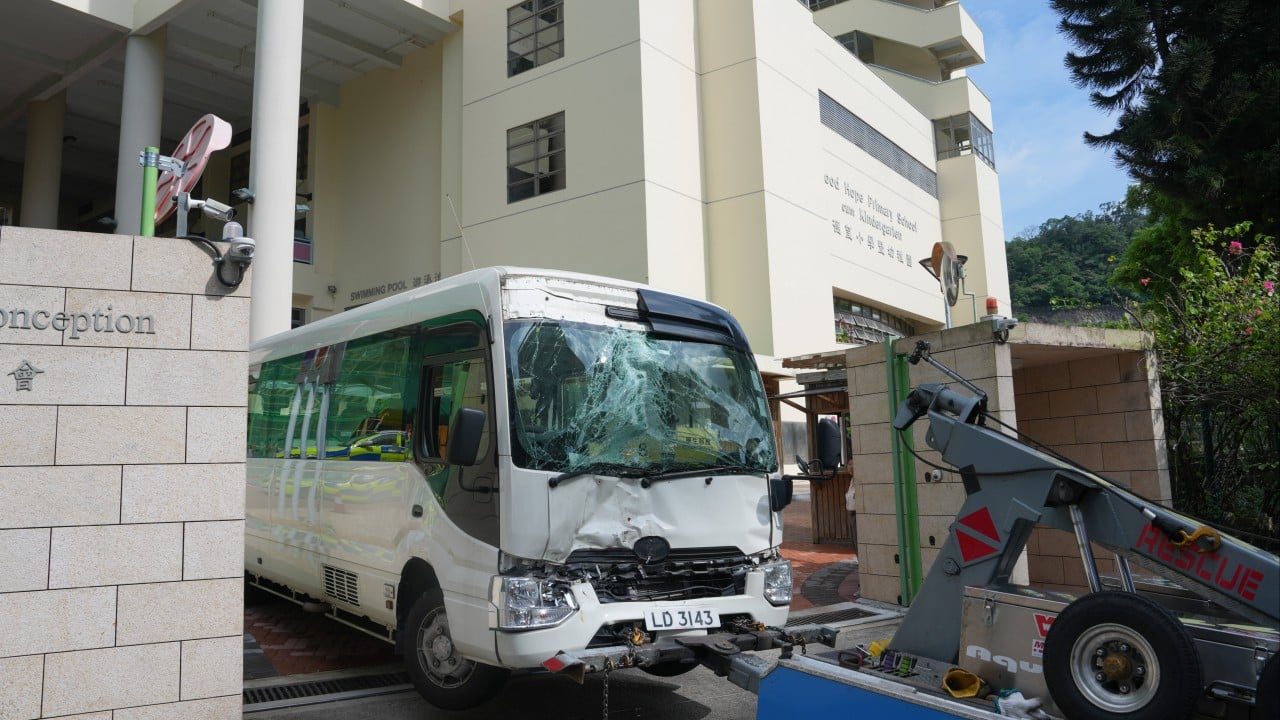
School transport safety is facing renewed scrutiny after a collision involving two buses at Good Hope Primary School cum Kindergarten in Ngau Chi Wan left nine children and five others injured.
Accidents like this shake parents to their core. You send your kids off on a school bus, expecting them to arrive safely. When things go wrong on campus grounds, questions immediately fly about driver fatigue, campus traffic management, and vehicle oversight. Thirteen people were rushed to the hospital following the crash, including one of the bus drivers. It is a miracle the injuries weren't far worse. But counting on luck isn't a safety strategy.
Inside the Ngau Chi Wan Incident
The crash occurred right at the premises of Good Hope Primary School cum Kindergarten in the Ngau Chi Wan district. Details emerging from emergency responders confirm that nine young children and five adults—including transport staff or drivers—sustained injuries requiring urgent medical attention. Local authorities and medical teams quickly mobilized, turning a quiet school morning into a scene of flashing lights and sirens.
Whenever heavy transport interacts with tight campus drop-off zones, margins for error disappear. Schools across urban centers like Hong Kong deal with massive congestion during peak morning hours. Narrow access roads, impatient drivers, and chaotic parking zones create a recipe for disaster.
The Broader Crisis of School Transport Risks
This isn't an isolated event. Traffic accidents involving school transport crop up with alarming regularity across crowded metropolitan areas. Just look at past pile-ups, such as the major Sha Tin crash that injured dozens of primary pupils, or incidents on the Kwun Tong Bypass.
Why do these crashes keep happening? Let's break down the hidden pressures:
- Tight Schedules: Drivers face intense pressure to stay on strict timetables, leading to rushed maneuvers in confined spaces.
- Campus Design Flaws: Many older schools were never built to handle modern fleets of large buses and private cars simultaneously.
- Driver Fatigue: Long working hours and low margins mean transport operators are often stretched dangerously thin.
Relying solely on driver accountability fails to solve the systemic problem. We have to look at how schools manage traffic flow inside their gates.
Practical Steps for Parents and Administrators
If you are a parent watching these headlines, helplessness is a frustrating feeling. You can't control the bus driver or the school's driveway layout. However, you can demand transparency and tighter safety protocols.
Ask your school administrator hard questions about their transport vendor vetting process. Find out if seatbelts are mandatory and actually enforced on every single trip—not just on long highway field trips, but on daily local routes. Push for designated, pedestrian-only zones separating walking children from maneuvering vehicles.
Safety measures cost money and time, but children's lives are non-negotiable. Tightening regulations around school transport hubs needs to happen now, before the next close call turns into a tragedy.
Hong Kong bus crash injures 22 children, police set to arrest driver
This video provides context on how authorities investigate school bus collisions and handle driver accountability in Hong Kong.
http://googleusercontent.com/youtube_content/1