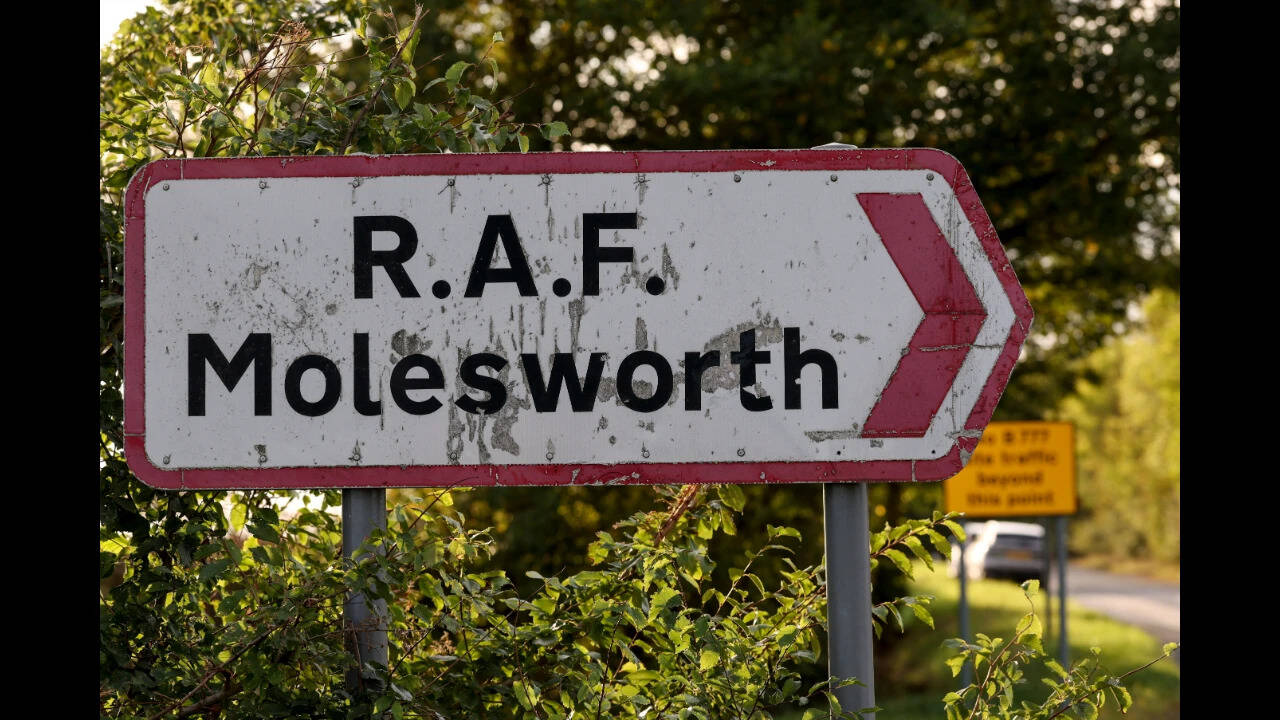
When two Latvian nationals were detained inside the perimeter fence of RAF Molesworth in Cambridgeshire, the immediate reaction across security circles wasn't just shock—it was exhaustion. This facility isn't an ordinary airstrip; it hosts critical nodes like the NATO Intelligence Fusion Centre and the United States Joint Intelligence Operations Center Europe. Yet, two men aged 32 and 36 managed to breach its defenses, triggering a counter-terrorism investigation that immediately reignited worries about the vulnerability of Western military infrastructure.
Let's cut through the noise. People hear "counter-terrorism police investigating" and immediately picture a Hollywood-style espionage thriller. But the reality on the ground is often far messier, sitting somewhere between amateur intrusion, low-level reconnaissance, and state-backed hybrid warfare. Meanwhile, you can read similar stories here: The Weight of the Wheel and the Intent in the Dark.
The Anatomy of the Molesworth Breach
The incident started with an abandoned vehicle near the perimeter. Security patrols and Ministry of Defence police responded quickly, discovering a small hole in the fence line. The two suspects were tracked down and arrested on suspicion of criminal damage, trespassing, and entering a prohibited place.
Counter-terrorism officers didn't waste time executing searches at properties linked to the suspects in Peterborough. But in the early days following the arrests, investigators admitted they didn't have a smoking gun pointing directly to a hostile foreign intelligence service. Were these men operatives sent by a foreign power, or were they just reckless trespassers who bit off way more than they could chew? British security sources have remained appropriately cautious, noting that distinguishing between opportunistic criminality and deliberate foreign sabotage is becoming increasingly difficult. To see the full picture, check out the excellent report by TIME.
Why Britain is on Edge
You can't look at the Molesworth breach in a vacuum. It happened on the heels of another major security scare at RAF Fairford in Gloucestershire, where nearby homes were evacuated and explosive ordnance teams examined vehicles. While officials maintain there is no direct link between the Fairford operation and the two Latvian men, the cumulative effect is an alarming pattern.
Senior UK law enforcement officials have pointed openly to an escalating threat tempo. The security landscape has shifted dramatically over the last few years, driven by a sharp uptick in hostile state activity linked to actors like Russia and Iran. When critical intelligence-sharing hubs are treated as casual obstacles by intruders, public confidence takes a hit.
The Broader Reality of Hybrid Warfare
We are living through an era of gray-zone conflict. Traditional military invasions get the headlines, but the daily reality involves cyberattacks on hospitals, suspicious drone sightings over bases like RAF Lakenheath, and mysterious perimeter breaches at sensitive intelligence installations.
Hostile states don't always need to steal classified hard drives to score a win. Sometimes, testing reaction times, mapping camera blind spots, and forcing Western governments to spend millions upgrading physical security infrastructure is the entire point. It drains resources and keeps defense agencies permanently on the back foot.
Security around British and NATO sites is under constant review, featuring reinforced physical barriers, continuous monitoring, and counter-drone measures. But fences only work if the people guarding them—and the policies backing them up—adapt as fast as the threat actors do. Until intelligence agencies share clear conclusions on what these recent breaches were really about, military bases across Europe will remain on high alert.