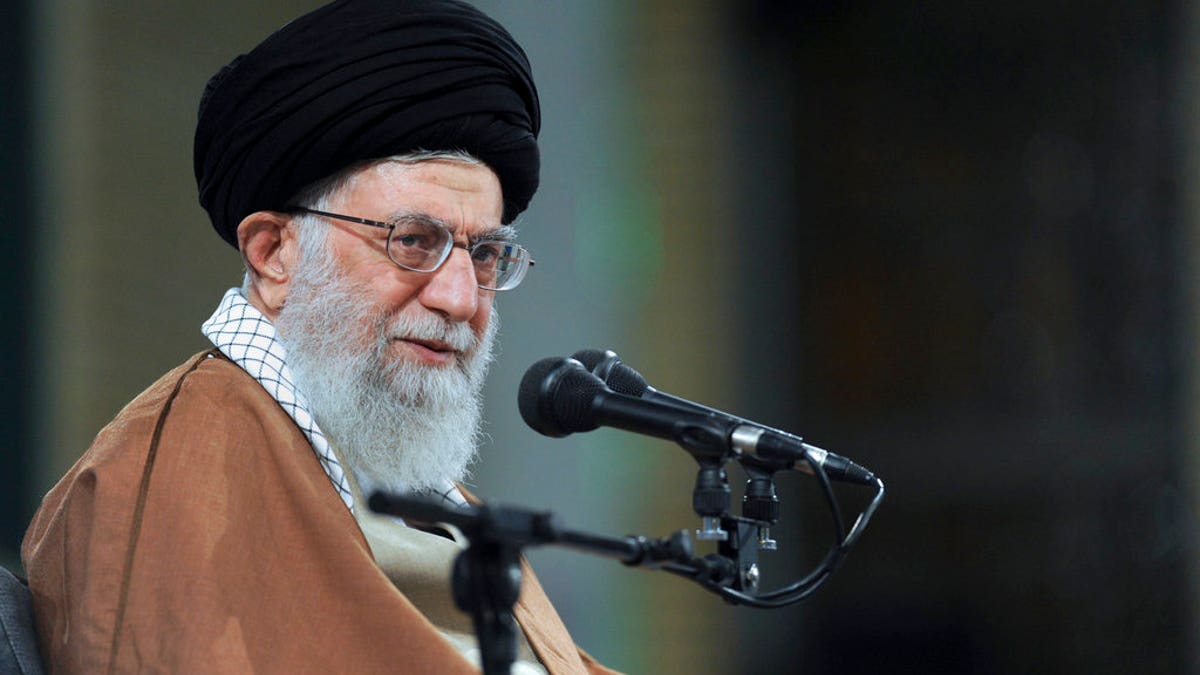
Ali Khamenei is the most powerful man you probably don’t actually understand. For over three decades, he’s held the reins of the Islamic Republic, outlasting American presidents, regional dictators, and his own internal rivals. He isn’t just a politician. He isn’t just a cleric. He's the glue holding a fracturing system together, and simultaneously the wedge driving it apart. If you want to understand why Iran behaves the way it does—from the nuclear standoff to the proxy wars in the Middle East—you have to look at the man in the black turban.
Most Western analysis paints him as a static, radical caricature. That's a mistake. He's a survivor. He took a revolution that was supposed to burn out or moderate and turned it into a permanent state of resistance. He’s managed to stay at the top of a shark tank for 35 years. That doesn't happen by accident. It happens through a mix of ruthless security crackdowns and a deep, almost paranoid understanding of how power slips away from those who hesitate.
From Revolutionary Poet to Iron Fisted Leader
Khamenei didn't start as the obvious choice for Supreme Leader. In the 1970s, he was a middle-ranking cleric with a penchant for literature and a record of being jailed by the Shah’s secret police. He wasn't a heavyweight like Ruhollah Khomeini. He was more of an intellectual activist. When the revolution hit in 1979, he climbed the ranks because he was loyal, articulate, and stayed close to the center of gravity.
The turning point came in 1981. An assassination attempt by the Mujahedin-e-Khalq (MEK) left his right arm paralyzed. That physical scar became a badge of revolutionary legitimacy. By the time Khomeini died in 1989, the system faced a crisis. They needed someone who could keep the factions from killing each other. Khamenei was the compromise. The "experts" at the time thought he’d be a weak placeholder. They were wrong. He spent the next decade systematically gutting the power of anyone who could challenge him, including former presidents and high-ranking generals.
The Doctrine of Resistance as a Survival Strategy
You’ll often hear the term "Resistance Economy" or "Axis of Resistance" coming out of Tehran. This isn't just rhetoric. It's Khamenei’s literal worldview. He believes that the moment Iran stops being defiant, it starts being a vassal state. He saw what happened to Libya’s Gaddafi after he gave up his nuclear program. He watched the Soviet Union collapse after opening up. His takeaway was simple: never blink.
This mindset explains the nuclear program. It’s not just about a bomb; it’s about leverage. To Khamenei, the West is fundamentally untrustworthy. When the U.S. pulled out of the JCPOA in 2018, it didn't surprise him. It confirmed everything he’d been saying for thirty years. It allowed him to tell his domestic critics, "I told you so." That moment effectively killed the reformist movement in Iran for a generation. It gave the hardliners the ultimate "we were right" card.
Why he fears the street more than the West
While he talks a lot about "The Great Satan," Khamenei’s real nightmare is domestic. The 2009 Green Movement, the 2019 fuel protests, and the 2022 "Woman, Life, Freedom" uprising showed a massive gap between the aging leadership and a young, wired population. He doesn't see these as organic protests. He sees them as "soft war" orchestrated by foreign intelligence.
His response is always the same: double down. He relies on the Islamic Revolutionary Guard Corps (IRGC) and the Basij militia. These aren't just military wings; they're the economic backbone of the country. They own the construction companies, the telecoms, and the ports. By tying the military’s pockets to the survival of the regime, Khamenei ensured that if he falls, they fall too. That’s a powerful incentive to keep the batons swinging.
The Great Polarizer of the Modern Middle East
Khamenei’s legacy isn't just internal. He redefined the map. Under his watch, Iran’s influence expanded through Iraq, Syria, Lebanon, and Yemen. This wasn't through conventional military might—Iran’s air force is basically a flying museum—but through asymmetric warfare.
He empowered the Quds Force to build a network of proxies that can strike anywhere. This has made Iran a regional superpower, but at a massive cost. The "Iran-Saudi" cold war has drained resources that could have gone to Iran’s crumbling infrastructure. Ordinary Iranians often chant "Not Gaza, not Lebanon, my life for Iran" during protests. They’re tired of paying for a regional empire while they can’t afford eggs. Khamenei hears this, but he doesn't care. To him, the "strategic depth" provided by Hezbollah is more important than the price of groceries in Mashhad.
The Succession Crisis Nobody Wants to Talk About
The elephant in the room is that Khamenei is in his mid-80s. He’s survived cancer scares and rumors of his demise for years. But the clock is ticking. The process for picking the next leader is shrouded in mystery, handled by the Assembly of Experts. There is no clear heir.
Some point to his son, Mojtaba Khamenei. Others look at high-ranking clerics within the judiciary. The problem is that the Islamic Republic was built on the idea of rejecting hereditary monarchy. If Mojtaba takes over, it looks like the Pahlavi dynasty they overthrew. If a weak cleric takes over, the IRGC might just decide they don't need a religious figurehead anymore and move toward a straight military dictatorship.
Why the world should care about the transition
A messy succession in a country with a sophisticated missile program and a footprint across five countries is a recipe for chaos. If the factions start fighting in the streets of Tehran, the ripple effects will hit oil prices, refugee flows, and regional stability instantly. Khamenei has spent his life ensuring no single person is strong enough to replace him. That's great for his job security, but it’s a disaster for the country’s future.
How to Track What Happens Next
You can’t just watch the official news agencies like IRNA or Fars. They're mouthpieces. To see where the wind is blowing, look at the appointments within the IRGC and the sermons in provincial cities.
- Watch the IRGC leadership changes. Any shift in the top brass usually signals which faction is gaining favor for the post-Khamenei era.
- Monitor the "Basij" activity. If the internal security apparatus starts showing signs of hesitation during protests, the regime is in real trouble.
- Keep an eye on the "Grey Market" economy. How the regime bypasses sanctions tells you more about their long-term survival than any diplomatic statement.
The reality is that Khamenei’s Iran is a pressure cooker. He’s tightened the lid so far that the threads are starting to strip. He’s shaped the nation in his image—defiant, paranoid, and deeply religious—but in doing so, he’s alienated the very people who have to live in it. Whether the system survives him is the biggest question in the Middle East today.
Stop looking for Iran to "moderate" as long as he’s in charge. It won't happen. The only way forward is to understand the rigidity of the man at the top. If you’re tracking regional risk, start by mapping the loyalties of the Assembly of Experts and the economic reach of the Bonyads (charitable foundations). That’s where the real power lies.