A Quiet Shift in the Room
She noticed the dimness first.
It wasn’t a sudden, cinematic blackout. It was insidious, like someone turning down an invisible dimmer switch while she sat reading in her favorite armchair. Sarah—a hypothetical composite of the thousands who have turned to GLP-1 medications in recent years—rubbed her eyes, assuming it was simple fatigue. She had lost forty pounds in six months. Her blood sugar was stable for the first time in a decade. Her doctor was thrilled. Her friends were asking for her secret.
Then she looked at the doorway, and the right side of the frame was simply missing.
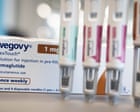
That quiet, terrifying blurring of reality is at the heart of a recent warning issued by Australia’s Therapeutic Goods Administration (TGA). The regulatory body released an alert regarding a "rare but severe" eye condition linked to GLP-1 receptor agonists—the class of blockbuster drugs that includes semaglutide and tirzepatide, sold under brand names like Ozempic, Wegovy, and Mounjaro.
The condition has a daunting name: Non-Arteritic Anterior Ischemic Optic Neuropathy, or NAION.
To understand NAION, forget the medical jargon for a second. Think of the optic nerve as a bundle of delicate fiber-optic cables, carrying every image, every face, every sunset from the camera of your eye to the processor of your brain. Now picture a sudden, catastrophic drop in blood flow to the head of that cable. The line starves. The signal cuts out.
Painlessly. Permanently.
The Cost of Miracle Breakthroughs
We live in an era of pharmaceutical miracles. For millions struggling with chronic obesity and type 2 diabetes, GLP-1 drugs have felt like nothing short of a miracle. They quiet the relentless "food noise" that plagues the mind. They reshape bodies and restore health markers that had seemed stubbornly broken for decades.
When a drug works this well, we want to believe it comes without a catch. We build a psychological sanctuary around it. We tell ourselves that the modern lab has finally solved a human struggle without demanding a sacrifice.
Then comes the quiet footnote from a government agency on the other side of the world.
The TGA’s warning isn't designed to spark widespread panic. NAION remains extremely rare. But for the individual sitting in an eye clinic, hearing that their sudden, painless loss of vision might never reverse, statistics offer zero comfort. A one-in-a-thousand risk feels like a mathematical abstraction until your name is the one drawn in that tragic lottery.
How does a metabolic medication affect the delicate plumbing of the eye? Researchers are still unraveling the exact mechanism. One leading theory suggests that rapid changes in blood pressure or blood glucose levels—the very things these medications are designed to alter—might disrupt the sensitive vascular bed feeding the optic nerve. Another hypothesis looks at how GLP-1 receptors, which exist throughout the human body including vascular tissues, might directly influence blood vessel constriction in susceptible individuals.
Uncertainty is a hard thing to digest when you're holding a prescription pen.
The Invisible Balance
Medicine is never a story of absolute safety; it is a negotiation with risk.
Every effective treatment carries a shadow. The aspirin in your medicine cabinet can cause stomach ulcers. The antibiotic that saves you from a dangerous infection can wipe out your gut microbiome. The core problem arises when the shadow remains invisible until the damage is already done.
Consider what happens when a patient notices early changes in their vision. Often, they wait. They assume it's dry eyes from spending too long in front of a computer screen. They buy over-the-counter drops. They adapt, tilting their head to see around the blurry spot. They do this because they cannot connect the shot they took in their stomach on Sunday with the blurring in their left eye on Thursday.
By the time they reach an ophthalmologist, crucial time has slipped away. While there is no magic cure to reverse NAION once the optic nerve fibers have perished, early identification allows doctors to intervene, adjust medications, and protect the remaining vision in the unaffected eye.
The Australian warning serves as a vital bridge across that gap in awareness. It forces a conversation that needs to happen in doctor's offices before the first injection is administered, not months later in a specialist's waiting room.
Walking the Tightrope
So where does this leave the person standing in front of the bathroom mirror, holding a dose that has fundamentally changed their life for the better?
It leaves them at a crossroads that requires clear-eyed honesty.
Abandoning a medication that has brought severe diabetes under control or reversed life-threatening obesity out of fear alone isn't always the rational move. The health risks of uncontrolled metabolic disease are vast, well-documented, and immediate. Heart attacks, strokes, and kidney failure carry their own heavy tallies.
Instead, the path forward requires a shift in how we monitor our health while taking these powerful tools. It means treating visual changes not as minor inconveniences, but as urgent signals from a complex internal system.
- Pay attention to sudden shifts. NAION typically presents as a sudden, painless loss of vision, often noticed upon waking up in the morning.
- Track dark spots or blurs. A field of vision that feels partially shadowed or cut off is a medical emergency, not a wait-and-see situation.
- Report instantly. Any visual disturbance while on a GLP-1 medication requires immediate evaluation by an eye specialist and an urgent discussion with the prescribing physician.
The human body is an intricate, connected web. You cannot pull a single thread on one side of the canvas without feeling the tension shift on the other.
Sarah sits by the window now, looking out at the garden. The flowers on the left are sharp, vibrant, and alive with color. To her right, a quiet fog remains, a permanent reminder of a trade she never knew she was making.