The sea does not care about ultimatums. It rises, it falls, and in the narrow throat of water separating the Persian Gulf from the Gulf of Oman, it carries the lifeblood of modern civilization.
Imagine waking up in a quiet suburb thousands of miles away, turning on your kitchen tap, and driving to work without giving a second thought to the price flashing on the gas station sign. We live inside a fragile architecture of distance. We assume that what happens behind high stone walls in distant capitals remains comfortably confined to the evening news. But the world is smaller than we think, bound together by narrow channels of salt and steel.
Right now, that channel is trembling.
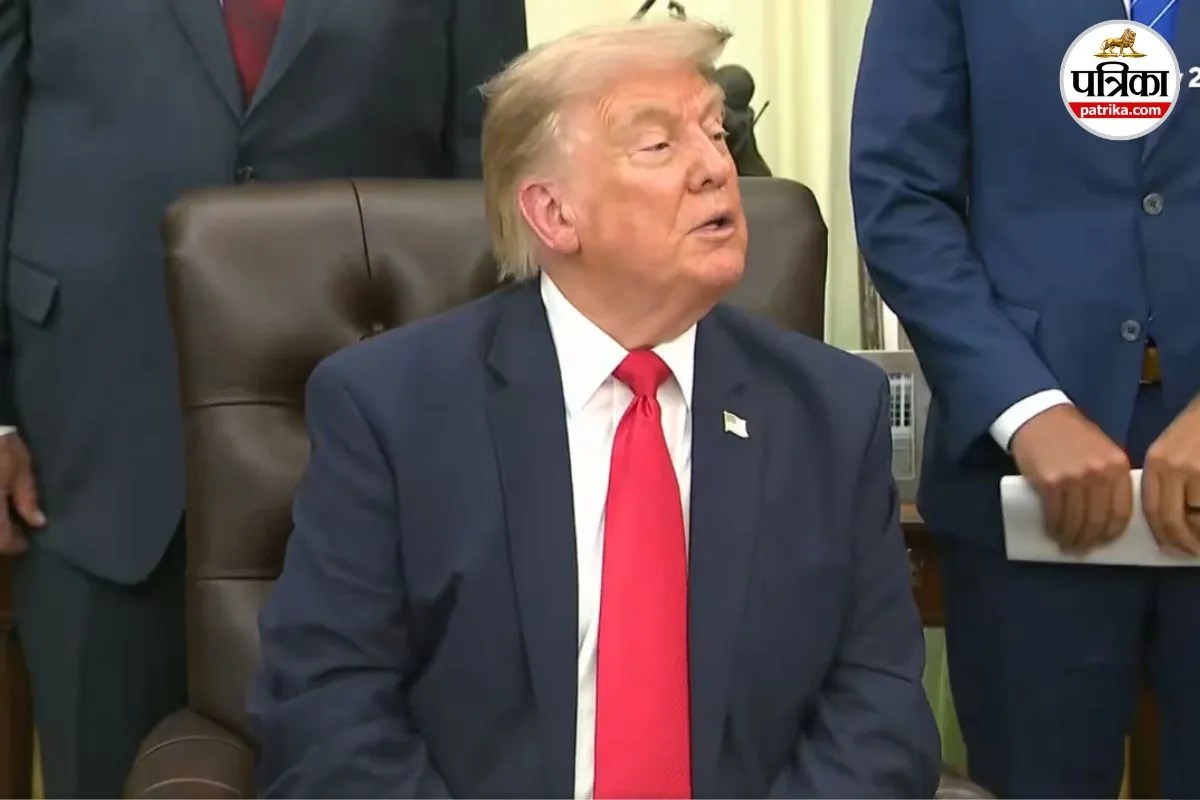
Across the globe, the dialogue between Washington and Tehran has long danced on the razor edge of catastrophe. Yet, recent statements and shifting maneuvers have brought the tension back into sharp, alarming focus. Former President Donald Trump has cast a long shadow over the strategic waters of the Strait of Hormuz, making bold assertions about control and consequence. Simultaneously, the global commodities market has registered the shockwave. Crude oil prices have surged, inching dangerously close to the threshold of ninety dollars a barrel.
Numbers on a screen. That is how we consume crisis. Ninety dollars. A statistic. A line chart shooting upward in a glowing dashboard.
Let us strip away the numbers. Let us look at what those digits actually mean for the human pulse.
Consider a hypothetical independent freight haulage operator named Rajesh, sitting in a modest office in Mumbai, watching the daily fuel surcharges climb. He does not care about the geopolitical chess match for its own sake. He cares because every upward tick in crude oil eats directly into his margins, forcing him to choose between raising prices on essential goods or absorbing losses that could shutter his business. Multiply Rajesh by millions. Fishermen in Oman, logistics coordinators in Rotterdam, commuters in Chicago, bakers in Berlin—all tied to the exact same invisible cord stretching across a contested maritime chokustpoint.
The Strait of Hormuz is not just a body of water. It is a bottleneck through which roughly a fifth of the world's petroleum passes every single day. When rhetoric escalates in this arena, the global economy holds its collective breath.
To understand why a few words spoken in political rallies or diplomatic cables can send shockwaves through your local grocery store, you have to look at how energy markets actually function. Think of the global oil supply not as an infinite ocean, but as a tightly stretched rubber band. When tension rises in a primary transit corridor, uncertainty enters the equation. Traders do not wait for tankers to actually be blocked; they react to the threat of blockage. Fear is priced into the barrel instantly. Insurance rates for cargo vessels skyrocket. Risk premiums compound.
History whispers warnings if we are willing to listen. We have walked this precipice before. Decades of embargoes, naval standoffs, and covert skirmishes have proven that the margin for error in the Persian Gulf is razor thin. A single miscalculated trajectory between a patrol boat and a commercial tanker can ignite a conflagration that no amount of diplomatic backtracking can easily extinguish.
The human cost of these standoffs is rarely measured in the headlines. It is measured in quiet adjustments. It is the family turning down the thermostat a few degrees as winter approaches. It is the small business owner staring at utility bills that refuse to stabilize. It is the pervasive, low-humming anxiety of an interconnected world realizing just how vulnerable its supply chains truly are.
We are often told that globalization brings security through interdependence. If everyone is trading with everyone, the theory goes, no one will dare rock the boat. But interdependence has a dark twin: vulnerability. When a single geopolitical flashpoint can alter the cost of living for billions of people who have never seen a map of the Middle East, the illusion of local autonomy shatters.
The rhetoric will continue to evolve. Leaders will issue warnings, stock markets will react, and analysts on television will dissect every syllable. But behind the strategic chess pieces and the shifting price targets lies a simple, sobering reality. Our modern lives are tethered to waters thousands of miles away, guarded by warships and navigated by sailors who watch the horizon for signs of storm.
The oil price creeps toward ninety dollars. The tankers glide silently through the narrow strait, their hulls heavy with the fuel of an anxious planet. And out on the water, the tide turns, indifferent to the chaos it carries.