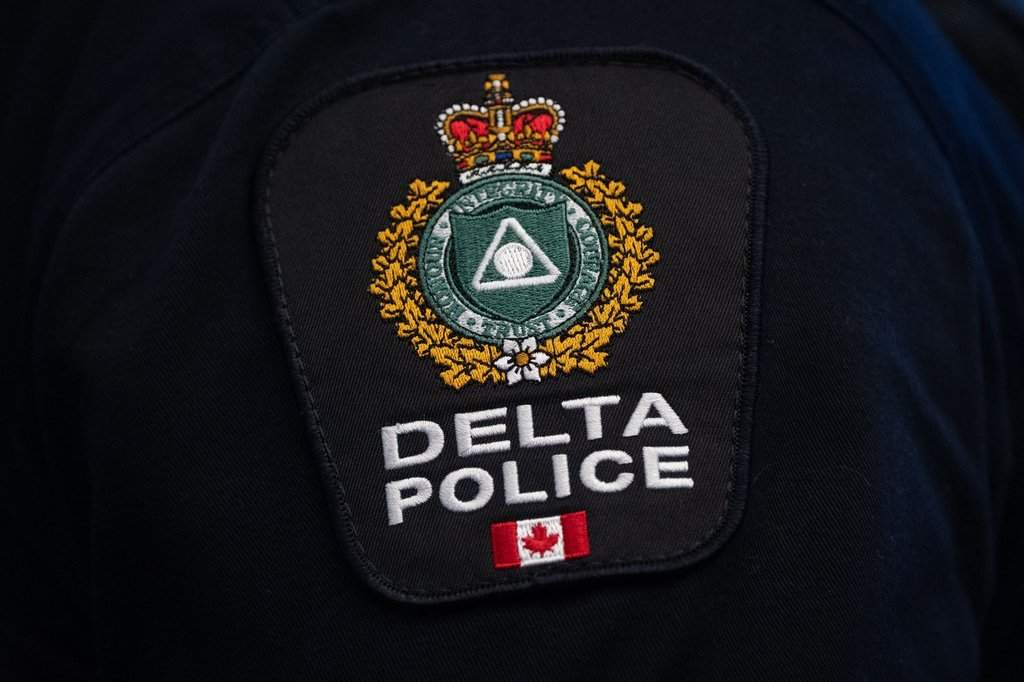
Law enforcement agencies converged on a scorched agricultural tract in the early hours of Wednesday morning, unearthing a grim discovery that has since rattled a quiet rural community. A woman’s body was recovered from the center of a burned Delta field, triggering an immediate multi-jurisdictional homicide investigation that exposes profound vulnerabilities in rural emergency response, regional surveillance gaps, and the persistent isolation defining vast stretches of agricultural land.
Local sheriff deputies and state forensic units spent daylight hours combing the ash-strewn acreage for trace evidence. Initial briefings from the county coroner’s office confirmed that the remains sustained severe thermal trauma, complicating preliminary identification efforts and obscuring immediate markers of foul play. Yet, seasoned investigators on the scene noted that the controlled burn of the field—or the rapid spread of an unsanctioned fire—left critical evidentiary footprints scattered across the soot.
The primary challenge facing investigators centers on geography. Delta landscapes are vast, flat, and sparsely populated. A vehicle can travel down grid roads for miles without passing a single homestead, making these locations prime zones for concealment. When an incident occurs in such an expansive void, the window for securing witness testimony narrows drastically.
The Anatomy of a Rural Crime Scene
Processing a burned agricultural site requires meticulous precision. Fire destroys biological evidence, alters chemical signatures, and degrades DNA integrity. Forensic pathologists must rely on dental records, skeletal positioning, and surviving soft tissue protected by heavy clothing or direct burial beneath the plow layer.
In this specific instance, the convergence of emergency responders exposed structural flaws in how rural fires are reported. Agricultural fires often go unnoticed during late-night hours unless reported by passing transport trucks or automated infrared satellites monitoring agrarian burning seasons. By the time local volunteer fire departments mobilized to extinguish the blaze, the core destruction was complete.
Detectives are currently cross-referencing missing persons databases from three surrounding counties. The profile of the victim remains obscured by the intensity of the flames, transforming the inquiry into a painstaking process of elimination. Investigators have cast a wide net, pulling telemetry data from cell towers servicing the nearest highway corridor—a vital artery connecting regional trade hubs.
Infrastructure Deficiencies in the Delta
The absence of widespread closed-circuit surveillance across agricultural sectors remains a glaring operational hurdle for modern policing. While urban centers rely on dense camera networks, traffic readers, and private security feeds, rural municipalities operate on analog infrastructure.
- Limited Coverage: Major grid intersections miles away from the discovery site lack automated license plate readers, rendering vehicle tracking largely speculative.
- Communications Gaps: Dead zones for cellular and radio frequencies frequently hamper first responders, delaying coordinated containment strategies during the critical first six hours of an investigation.
- Resource Constraints: County sheriff departments often function with skeleton crews, forcing detectives to juggle multiple caseloads simultaneously while waiting days for state crime lab processing slots.
These systemic shortcomings create an environment where high-consequence incidents can unfold with minimal immediate detection. Perpetrators familiar with the terrain understand that response times for county units can stretch past twenty minutes, providing an ample buffer for egress.
Shifting Focus to Regional Transits
As the autopsy proceeds at the state medical facility, attention shifts from the burn site to the broader regional transit network. Investigators are treating the field as a secondary deposit location rather than the primary site of the offense, a hypothesis supported by the absence of localized struggle markers in the surrounding mud and stubble.
Transporting a body across county lines requires calculated intent. The choice of a Delta field points toward familiarity with local harvest cycles, burn schedules, and low-traffic windows. Whether the incident stems from domestic violence spilling across municipal borders or organized criminal enterprises operating within the river corridor remains under active evaluation.
The ash has settled over the Delta, but the questions surrounding the unidentified woman’s final hours continue to mount as forensic teams wait for toxicology and dental match results to break the silence of the fields.