The global economy is not a fragile glass ornament. Stop treating it like one.
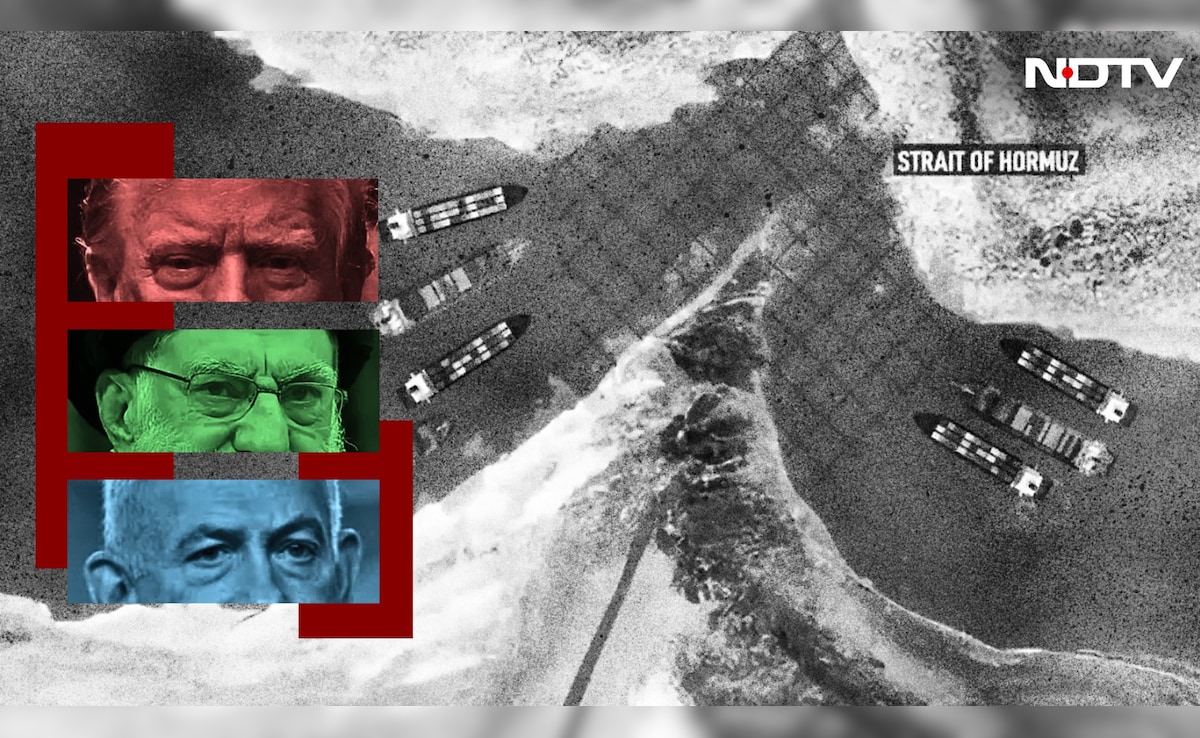
Every time a shot is fired near a chokepoint—be it the Strait of Hormuz, the Bab al-Mandab, or the Taiwan Strait—the "expert" class breaks out the same tired map. They draw big red circles. They talk about "overnight collapse." They scream about $15 gas and empty shelves. They are selling you fear because they don't understand how systems actually harden under pressure.
Conflict in a narrow sea isn't the end of global trade. It is the long-overdue stress test that will finally kill the "Just-in-Time" delusion that has made Western boardrooms lazy, brittle, and intellectually bankrupt.
The Efficiency Trap is a Death Sentence
For thirty years, the cult of efficiency ruled. The goal was simple: minimize inventory, maximize speed, and pretend that geography didn't matter. We built a world where a sneeze in a coastal province in Asia could halt truck production in Ohio.
The competitor narrative suggests that a blockade or a localized war is an exogenous "shock." That’s wrong. The shock isn't the war; the shock is the realization that you built a billion-dollar enterprise on the assumption that the world would remain a library.
War in a narrow sea doesn't "reshape" the economy. It exposes the fact that your economy was already broken. It forces a return to Just-in-Case manufacturing. If you aren't already moving toward localized, decentralized production, you aren't a visionary—you’re a gambler who’s about to bust.
The Red Sea Fallacy and the Cape of Good Hope Reality
Look at the recent disruptions in the Red Sea. The headlines screamed about the death of the Suez Canal. Insurance premiums spiked. Pundits predicted a global inflationary spiral that would dwarf the 1970s.
What actually happened?
The world’s shipping fleets took a left turn. They went around the Cape of Good Hope. Yes, it added ten days. Yes, it burned more fuel. But the goods moved. The "global economy" didn't stop; it just got slightly more expensive and significantly more honest about the cost of security.
The contrarian truth: Expensive shipping is good for long-term stability. When shipping is artificially cheap because we ignore geopolitical risk, we over-consume garbage. We outsource critical infrastructure to the lowest bidder in the most volatile regions. When a narrow sea becomes a "no-go" zone, it forces the market to price risk correctly. It incentivizes the "Friend-shoring" and "Near-shoring" that politicians have been toothlessly talking about for a decade.
Why a Blockade is a Technology Accelerator
War is the ultimate catalyst for Moore’s Law.
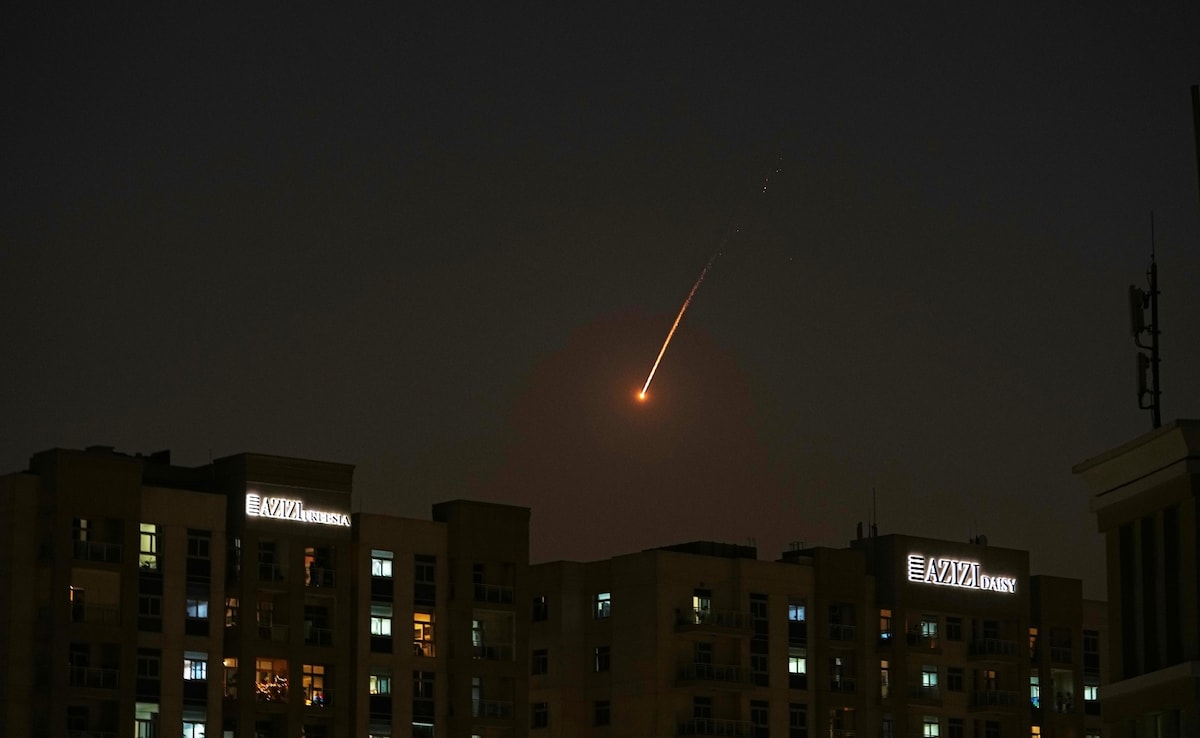
In a "narrow sea" conflict, the primary weapon isn't a billion-dollar carrier group; it's a $20,000 drone. This asymmetry is what actually terrifies the establishment. They aren't worried about the "global economy"—they are worried about the obsolescence of their hardware.
If a narrow sea becomes impassable, it doesn't just mean fewer iPhones. It means an immediate, violent pivot toward:
- Autonomous Trans-Oceanic Logistics: Subsurface autonomous gliders that don't care about surface blockades.
- Point-to-Point Additive Manufacturing: If you can't ship the part, you ship the file. A blockade is the best marketing campaign 3D printing has ever had.
- Nuclear Resurgence: If tankers can’t reach your ports, you stop burning oil for electricity. You build SMRs (Small Modular Reactors).
The "crisis" is actually a massive R&D subsidy for the next generation of industrial tech.
The False Prophet of "Global Interdependence"
There is a pervasive lie that "interdependence prevents war." This is the "Golden Arches Theory" of conflict, and it has been proven wrong by every major war in the last century.
Dependency isn't a peace treaty; it's a hostage situation.
When a competitor tells you that a conflict will "shatter the global tapestry," they are mourning a system that relied on the goodwill of actors who do not share your interests. I’ve sat in rooms with C-suite executives who genuinely believed that because they shared a ledger with a supplier across a narrow sea, they were safe. They weren't. They were just vulnerable.
True authoritativeness in business today isn't about managing a global footprint. It’s about Strategic Decoupling.
The Price of Truth
Let's be blunt about the downsides. My stance isn't "war is good." War is a tragedy of human error. But from an industrial and economic standpoint, the threat of conflict in narrow seas is the only thing that will force the West to regain its manufacturing soul.
Your costs will go up. Your margins will shrink. The era of the 40% margin on imported plastic junk is over.
- The Losers: Asset-light companies that own nothing but a brand name and a contract with a factory in a high-risk zone.
- The Winners: The "Grind-it-out" operators who own the foundries, the refineries, and the local talent.
Stop Asking "When Will It Be Normal?"
The most common question I get is: "When will the shipping lanes go back to normal?"
This is the wrong question. It’s a loser’s question.
"Normal" was an anomaly. The period from 1990 to 2018 was a historical outlier of unprecedented maritime safety enforced by a single superpower. That era is dead. It isn't coming back.
If you are waiting for the "narrow seas" to clear so you can go back to your 2015 playbook, you are already bankrupt. You just haven't realized it yet.
The "Global Economy" isn't a singular thing that can be "reshaped." It is a collection of billions of individual decisions. The smartest of those decisions are currently moving away from chokepoints and toward resilience.
The Actionable Order
- Audit your Tier 3 suppliers: You think you're safe because your Tier 1 is in Mexico? Check where they get their raw chemicals. If it passes through a narrow sea, you are exposed.
- Build "Useless" Redundancy: In a world of narrow-sea conflict, "efficiency" is another word for "single point of failure." Build a second factory. Buy the extra warehouse. Overstock the critical components.
- Invest in Energy Independence: If your business model requires stable global oil prices, you don't have a business model; you have a prayer.
The next war in a narrow sea won't be a "black swan." It’s a scheduled event. You can either be the person crying on CNBC about "unprecedented disruptions," or you can be the one who already moved the pieces off the board.
Conflict is coming to the straits. Stop trying to prevent it and start profiting from the inevitable friction.
The sea is getting narrower. Get used to the squeeze.