The coffee in the paper cup was already lukewarm, tasting faintly of the stale vending machine down the hall in the district office, when the air turned inside out.
It did not begin with a sound. It began as a physical blow against the sternum, a sudden, heavy pressure that made the ribs ache before the ears could even register what was happening. Then came the roar. It was a deep, subterranean growl that rattled the windowpanes in their old wooden frames and set the loose fluorescent tubes in the ceiling humming in frantic protest. Across the valley, car alarms started to wail in a ragged, overlapping chorus.
Outside, the Roman sky was the color of a bruised plum.
For miles around, people stepped out onto balconies, into narrow cobblestone alleyways, and across sun-baked gravel paths, their eyes drawn instantly to the eastern horizon. A thick, roiling pillar of black smoke was climbing rapidly into the stratosphere, eating the afternoon light and casting a greasy, unnatural shadow over the olive groves.
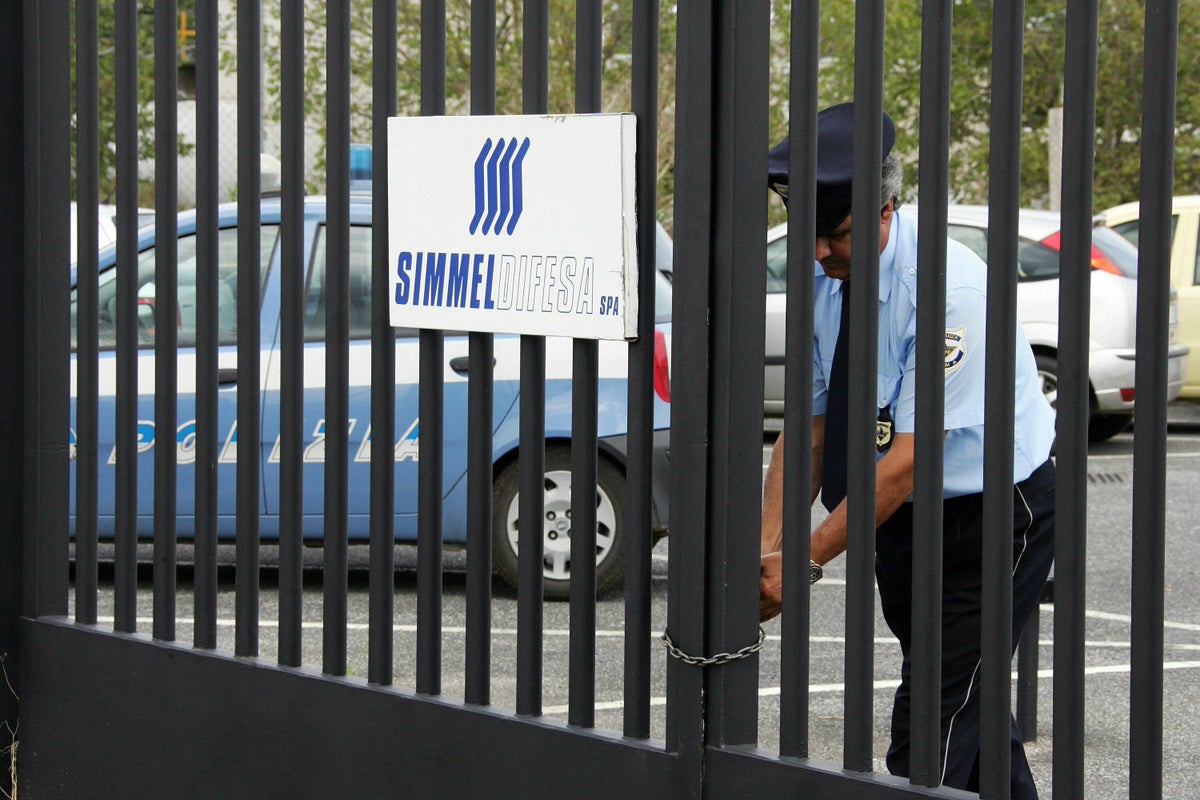
An explosion had torn through the outskirts of the city. Specifically, it had ripped open an Italian weapons factory, turning a quiet stretch of industrial periphery into a zone of immediate, terrifying chaos.
Sirens. Dozens of them. They began as faint, whining mosquito notes in the distance before swelling into a deafening symphony of urgency. Fire crews, ambulances, and carabinieri cruisers streamed down the access arteries, their red lights painting the stone walls in alternating flashes of crimson and shadow.
Panic has a distinct smell. It smells like hot ozone, burnt rubber, and the metallic tang of fear.
(Note: The following narrative sequence reconstructs the chaotic moments immediately following the blast based on standard emergency response protocols and the physical layout of the region's industrial sector.)
Imagine standing behind the police tape half a mile away, watching the secondaries cook off. Every few seconds, a sharp, popping concussive rattle echoes across the dry grass—small arms ammunition or propellant charges cooking off in the heat of the main blaze. Firefighters in heavy, reflective gear do not run. They move with a terrifying, calculated deliberation, dragging heavy canvas hoses through the dirt, knowing full well that an ordnance facility fire is a living, breathing beast with a unpredictable temperament.
Why here? Why now?
These are the questions whispered by neighbors clutching their elbows on nearby terraces, watching the black plume drift toward the ancient hills. We tend to forget that the machinery of national security and defense manufacturing has a physical address. It is not an abstract concept floating in a defense budget document or a line item on a geopolitical news ticker. It lives in concrete buildings with corrugated tin roofs, situated uncomfortably close to quiet suburbs, family-owned vineyards, and commuter rail lines.
When things go wrong in these places, the abstract becomes brutally intimate.
The factory itself, part of the complex network supporting defense logistics in central Italy, had been operating under standard shifts. Workers—men and women who carpooled, packed ham sandwiches for lunch, and worried about the price of petrol—were inside those buildings when the initial anomaly occurred. Was it a mechanical failure on a assembly line? A stray spark in a staging room handling pyrotechnics or energetic materials? Official investigators will spend weeks sifting through charred aluminum and twisted girders to find the exact origin point.
Truth matters in the aftermath, but in the first hour, survival is the only currency.
The local hospital in the nearest town immediately triggered its mass casualty code. Emergency room doors swung wide. Doctors and nurses cleared the triage bays, stacking extra saline bags and rolling out trauma carts, bracing for a wave of burn victims and blast injuries that, thankfully, turned out to be far more localized than the terrifying scale of the smoke plume suggested.
Miracles, small and large, happen in these margins. Quick-thinking floor supervisors shouting evacuation orders before the structural integrity failed. Security guards locking down perimeter gates to keep the curious public away from secondary shrapnel zones. The sheer stubborn resilience of local emergency responders who ran toward the fire while everyone else was frantically reversing out of driveways.
The smoke eventually began to thin, beaten back by thousands of gallons of foam and water pumped from municipal mains and tanker trucks brought in from the city center. The roaring subsided into a wet, hissing crackle. The sky above the eastern hills slowly returned to its pale, indifferent blue, though the smell of sulfur and charred plastic lingered in the evening breeze for hours.
As the sun dipped behind the ancient silhouette of Rome, casting long, peaceful shadows across the ruins of a city that has seen a thousand fires over three thousand years, the sirens finally faded into the distance.
The factory stands gutted, a skeletal monument to the raw, volatile power of the materials we build to protect—or destroy—ourselves. Behind the police tape, the dust settles on abandoned helmets and twisted metal. The quiet returns, heavy and profound, leaving those who heard the shockwave to wonder not just how it happened, but how easily the ordinary routine of a Tuesday afternoon can be shattered by a single, violent spark at the edge of the world.