Sweat has a particular smell when the body turns against itself. It is sharp, metallic, heavy with the terrifying signature of a virus that treats human tissue like a conquered province.
I remember the heat of North Kivu. Not just the physical weather, which hangs over the DRC like a damp wool blanket, but the other heat—the internal combustion of an epidemic moving faster than the men and women sent to cage it. You do not fight a pathogen like Ebola on a spreadsheet. You fight it in the dark, behind double layers of latex and fogged visors, listening to the shallow breath of someone who walked into a clinic on their own two feet three days ago and now cannot lift a finger.
Right now, that invisible fire is running ahead of the water trucks again.
The Anatomy of a Collapse
To understand how an outbreak outpaces recovery efforts, you have to look at the math of panic. Viruses do not accelerate because they are alive in the way we are; they accelerate because we hesitate.
Imagine a village clinic twenty miles off the paved road. The roof is corrugated tin that rattles when the afternoon storms break. Inside, the supply crates sit half-unpacked. Chlorine powder is running low. The gloves are thinning. And outside, a quiet crowd gathers—not with pitchforks, but with questions, grief, and a profound, bone-deep suspicion that has been earned through decades of broken promises from the outside world.
Then, the email notification arrives in Kinshasa, and the gears grind to a halt.
Aid workers are on strike.
It sounds clinical when you read it on a news ticker. It sounds like a labor dispute over overtime pay or health insurance brackets in an air-conditioned corporate office. It is not. When healthcare workers strike in an Ebola zone, they are not staging a polite walkout. They are laying down shields in the middle of a medieval siege because their families haven't eaten in two months. They are refusing to step into the isolation ward without hazard pay that was promised by distant bureaucrats and lost in administrative fog.
Consider what happens next.
The contact tracers stay home. The burial teams park their trucks. The suspected cases—terrified, coughing, burning with fever—slip out the back door of the triage tent and vanish into bustling markets, crowded minibuses, and multi-generational family homes. Every hour the strike holds is a mile the virus gains.
Living Inside the Red Zone
We talk about numbers as if they were weather reports. Fifty cases. Two hundred contacts traced. A thirty percent mortality rate.
These figures are sanitized. They bleed the humanity right out of the room.
When you stand in an Ebola treatment unit, the numbers have names. They have faces that haunt you long after your flight home has landed. I sat across a plastic sheeting barrier from a nurse named Jean-Paul during a previous surge. He hadn't been paid his hazard stipend in six weeks. His landlord had locked his children out of their rented room because the rent was overdue.
"How do I tell my wife to stay home and risk dying of this beast," Jean-Paul asked me, his voice cracking behind the heavy plastic hood, "when I cannot even buy her a sack of cassava?"
He wasn't angry. That was the most unsettling part. He was simply exhausted.
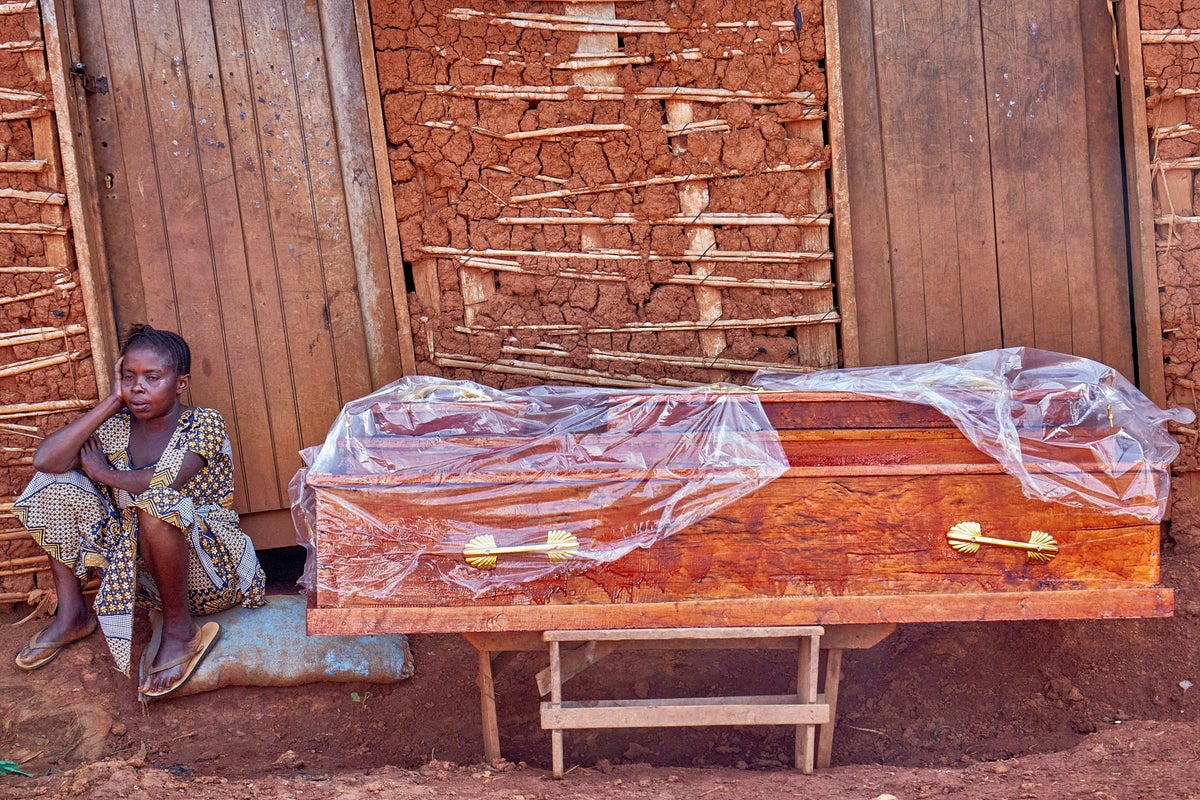
When international aid agencies and local health ministries lock horns over budgets, the friction generates heat, but no light. Bureaucracy is a slow-moving glacier. Ebola is a brushfire driven by high winds. You cannot manage a crisis of this magnitude with committee meetings scheduled for next Tuesday. By next Tuesday, the village down the river has buried three more people in unmarked graves, the funeral rituals acting as involuntary incubators for the next wave of infection.
The Cost of Distrust
There is another layer to this tragedy that no statistical model can capture. It is the erosion of trust.
When communities see aid workers striking, when they see expensive white-landcruisers parked outside luxury hotels in Goma while local nurses strike for pennies, the social contract shatters. People stop calling the hotline. They hide their sick relatives under beds. They whisper about witchcraft because witchcraft makes more sense than a world where foreign saviors arrive with millions of dollars while the local doctor cannot afford medicine for his own sick child.
Fear breeds secrecy. Secrecy breeds death.
It is a vicious loop. The virus spreads faster because surveillance breaks down. Because surveillance breaks down, international donors panic and tighten the purse strings, demanding more audits, more oversight, more forms filled out in triplicate. The administrative burden crushes the people on the front lines even further. The strikes intensify.
We have seen this script before. We know how every scene plays out unless someone has the courage to tear up the script entirely.
Breaking the Cycle
Fixing this is not a matter of discovering a new vaccine or drafting a more complex response framework. The science is already there. The protocols are written in blood and refined over decades of outbreaks across Central and West Africa.
The solution is radical alignment.
It means paying the local workforce first, directly, and without the endless bureaucratic friction that treats frontline nurses like suspicious subcontractors. It means recognizing that a nurse in North Kivu or Equateur is not a replaceable gear in an international intervention machine; they are the entire engine. Without them, the million-dollar grants are just paper burning in the dark.
Listen to the silence of an isolation ward at two in the morning. The hum of the generator. The steady drip of intravenous fluids. The heavy, measured breathing of a human being fighting for their next sunrise.
That is where the war is won or lost. Not in the conference rooms of Geneva or Kinshasa, but in the damp air of a tent where a local nurse, finally paid and finally protected, steps forward to hold a stranger's hand through a wall of plastic.
The outbreak is fast. But human solidarity, when properly funded and deeply respected, can move faster still.
The fever will break only when we decide that the people holding the line are worth more than the budgets used to count them.