A Kitchen That No Longer Exists
The tea had barely gone cold.
In the early hours of the morning, when the sky over Gaza still held the heavy blue of dawn, six people were waking up to the ordinary rhythms of survival. A father adjusting his clothes. A mother checking on her children. Three young girls whispering among themselves in the soft light, and a young boy tying his shoes. If you liked this article, you should read: this related article.
They were a family. Not a statistic, not a casualty count, and not a line item in a military briefing. They were six distinct human lives bound by blood, shared jokes, and the quiet resilience that defines daily existence in a war zone.
Then came the flash. For another look on this story, check out the recent update from Associated Press.
Within seconds, the concrete ceiling caved inward. The walls collapsed like wet cardboard. The structural integrity of a home—built over decades of hard work, filled with family photographs, worn rugs, and small personal treasures—was reduced to pulverized dust and jagged rebar.
When the cloud of smoke finally cleared, an entire branch of a family tree had been severed. Father, mother, three daughters, and a son. Gone.
The Anonymity of the Numbers
War has a cruel way of stripping humanity from the human experience.
When an airstrike hits a residential area, the immediate coverage often compresses the tragedy into a single, sterile headline. Six dead. Seven dead. Dozens injured. The numbers roll across the news ticker at the bottom of a screen, brief and unyielding, before fading away to make room for political commentary or economic updates.
But behind every digit is a story that took years to write.
Consider the mother. She had spent years learning the exact preferences of her children, knowing who preferred their eggs fried soft and who needed an extra blanket on chilly nights. Consider the father, whose hands bore the calluses of labor, whose primary purpose was to provide a shield of safety over his household in a world where safety was an illusion.
Consider the three daughters, each with her own distinct personality—one perhaps quiet and studious, another fiery and full of laughter, a third still clinging to childhood toys. And the son, looking up to his father, trying to navigate boyhood in a place where adulthood arrives far too fast.
An airstrike does not just end lives. It erases futures. It cancels birthdays that were supposed to happen next month. It erases marriages that were years away, conversations that were mid-sentence, and dreams that were just beginning to take shape.
The Physics of Devastation
To understand what happened in that home, one must look past the geopolitical arguments and examine the physical reality on the ground.
A modern aerial bomb is engineered to displace massive amounts of kinetic energy. When it impacts a residential building, the blast wave travels faster than the speed of sound. Concrete shatters into micro-particles that fill the lungs. The pressure wave tears through air pockets, collapsing structures from the inside out.
For those inside, there is no time to react. No time to gather loved ones under a doorway. No time to say goodbye.
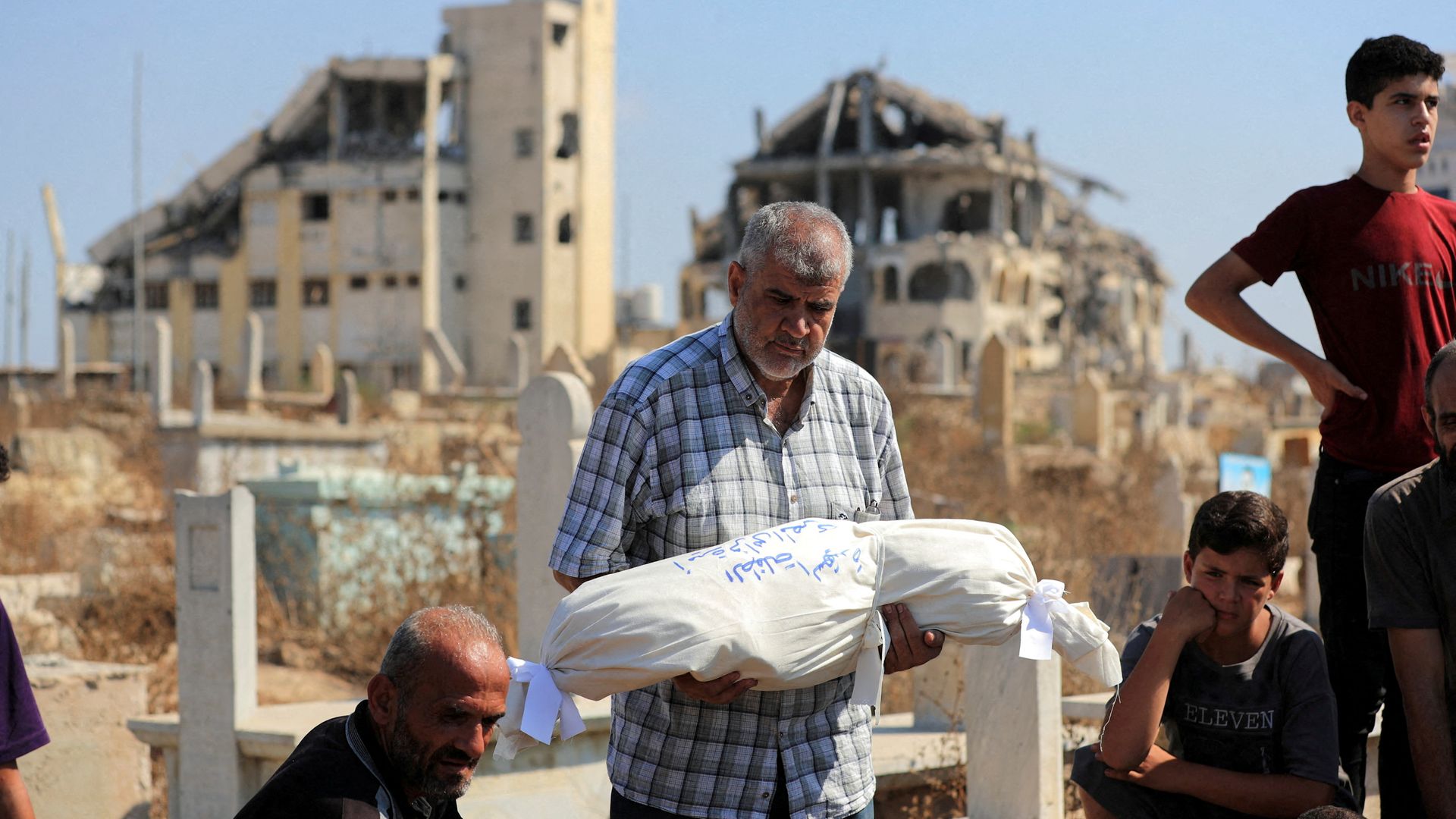
Neighbors rushed to the scene using bare hands, shovels, and plastic buckets to move chunks of stone weighing hundreds of pounds. The air was thick with the acrid smell of explosive residue and pulverized mortar. They pulled away the rubble piece by piece, hoping against hope to find a heartbeat, a whisper, any sign of life beneath the debris.
Instead, they found only silence.
The Collateral Cost of Conflict
In modern warfare, terms like "precision strikes" and "collateral damage" are frequently used to explain away the destruction of civilian lives. These phrases serve as verbal insulation, protecting the distant observer from the stark, messy reality of what happens when high-explosive munitions meet civilian neighborhoods.
Yet, international law is clear about the principles of distinction and proportionality. Civilians are not targets. Homes are not battlefields. When an entire family is wiped out in a single moment, the moral burden falls heavily on the mechanisms that allowed such an outcome to occur.
Communities across the region are left to pick up the pieces, carrying the psychological weight of collective grief. Every funeral becomes a shared reminder of vulnerability. Every child pulled from the rubble leaves a scar on the collective memory of a generation.
The loss of this family is not an isolated event; it is part of a broader, compounding disaster where the human cost continues to climb higher every single day.
What Remains
Near the edge of the crater where the house once stood, a single notebook lay open in the dirt, its pages fluttering in the wind. A few feet away, a crushed aluminum kettle rested beside a fragment of a colorful rug.
These mundane objects, spared from total destruction, stand as silent witnesses to the lives that were lived here. They are reminders that until very recently, this spot was filled with voice, warmth, and shared human experience.
The family is gone, their names added to a growing list of those lost to the conflict. The rubble will eventually be cleared, the dust will settle, and the news cycle will move on to the next breaking headline.
But in the quiet spaces left behind, the absence lingers—a heavy, unyielding silence where a family used to be.