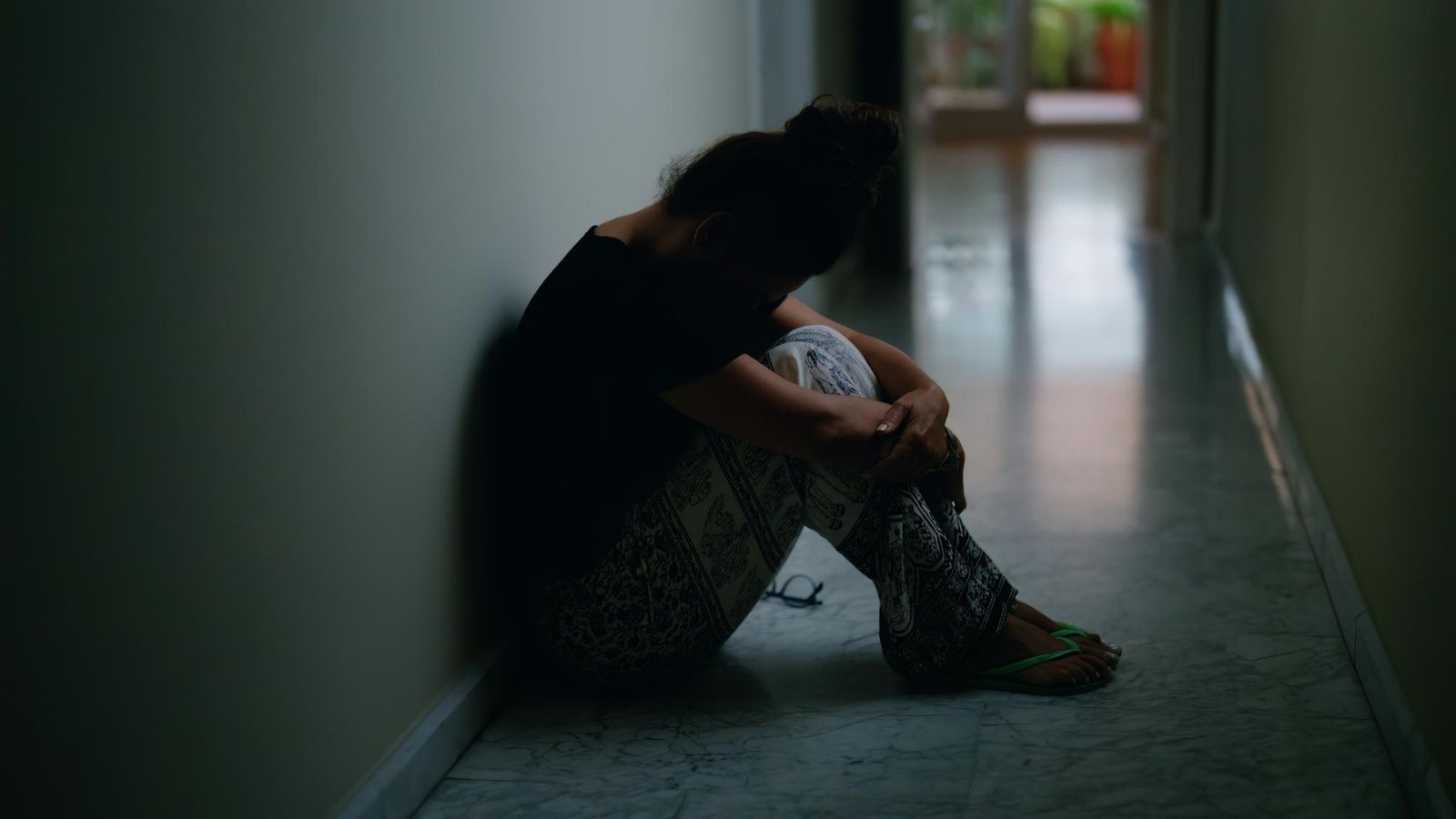
The door closes. That is usually where the story of a home is supposed to begin, not where it ends. We build walls to keep the chaotic world outside, trusting that the people we love are the safest things we will ever touch.
Then the lock turns.
Violence rarely arrives with the theatrical crash of a kicked-in front door. Sometimes, it wears a familiar face. It lives in the kitchen, shares your coffee, and breathes the same air. When the unthinkable shatters a nursery—a place designed for soft blankets, lullabies, and the slow, beautiful unfolding of a childhood—the human mind rebels against the geometry of the tragedy. How does a sanctuary become a crime scene? How do the tools of ordinary life turn into instruments of destruction?
Consider what happens next in the quiet aftermath. The police tape flutters in the breeze. Neighbors peer through lace curtains, whispering about how normal everything looked just yesterday. Normal. That word is a ghost story we tell ourselves.
We look for signs. We always do. We scan the wreckage of lives for the missing puzzle piece that would explain why a father became a predator to his own blood. A wife and a seven-year-old child. A little girl whose biggest worry should have been whether her shoes tied correctly or if she could stay up ten minutes past bedtime. Instead, her world ended in a room filled with pastel colors and discarded toys.
A screwdriver.
It is an everyday object. It sits in a junk drawer alongside dead batteries, tape measures, and loose rubber bands. It tightens loose chair legs and fixes cabinet hinges. It is utilitarian. Mundane. Yet, in the grip of a psychotic break, a domestic rage, or an unfathomable domestic terror, the ordinary transforms.
Security experts often talk about hardening perimeters, installing smart locks, and monitoring neighborhood crime statistics. They sell us locks, alarms, and cameras designed to watch the perimeter. But what do you do when the threat is already sitting at the kitchen table?
Statistically, the most dangerous place for a woman and her children is not a dark alley at midnight. It is inside the domestic sphere, behind closed doors, hidden from public view. Domestic homicide carries a terrifying intimacy. It is personal. It is quiet. It defies the comforting myth that evil is something external, something you can spot walking down the street wearing a trench coat.
I remember walking through neighborhoods like that years ago, reporting on the quiet grief that follows sudden devastation. The houses always look so peaceful from the outside. Neatly trimmed hedges. Tricycles on the sidewalk. Flower boxes bursting with geraniums. You stand on the pavement, looking up at a bedroom window, and you try to bridge the chasm between the ordinary appearance of the street and the absolute horror that occurred inside.
You cannot bridge it. The math does not work.
When a man turns a tool meant for construction into a weapon of mass destruction for his family, society experiences a collective vertigo. We want simple categories. We want villains to look like monsters so we can recognize them early. But monsters do not wear name tags. They look like fathers, husbands, and neighbors. They go to work, pay their taxes, and wave hello.
Underneath the surface of our orderly lives, invisible fractures run deep. Economic stress, untreated mental health struggles, isolation, and a toxic sense of ownership over human lives can combine to create a pressure cooker. When there is no release valve, the vessel shatters.
Law enforcement officials arriving at a nursery crime scene are met with a silence that stays with them for the rest of their careers. No training manual fully prepares a seasoned detective for the dissonance of a child's bedroom soaked in blood. The teddy bears remain propped up against the pillows. The alphabet poster still hangs crookedly on the wall. The contrast between innocence and brutality leaves a scar on the collective conscience of a community.
We must confront the uncomfortable reality of domestic violence not as a series of isolated, freak occurrences, but as a systemic failure of safety nets. When warning signs are missed, when mental health crises go ignored until it is too late, and when victims feel trapped without an exit path, tragedy becomes a countdown.
The seven-year-old girl in that nursery did not get to grow up. She did not get to go to middle school, fall in love, make mistakes, or figure out who she was going to be. Her story was cut short in the one place she should have been safest.
The door is open now. The police tape is gone. The neighbors have stopped whispering. But the silence remains, heavy and absolute, reminding us of the fragility of the walls we build around our lives and the darkness that sometimes hides just beneath the surface of the everyday.