Dirt gets under your fingernails long before peace settles into your chest. Ask anyone who has ever tried to untangle an old deed from a modern nightmare.
Most people look at a hundred and sixteen acres of overgrown brush and see firewood, or perhaps a subdivision waiting to happen. They see potential profit measured in culverts, asphalt, and zoning permits. They see a blank slate for someone else's drywall. But in the rolling hills of Maryland, two people looked at that exact same tangle of briars, fallen timber, and hunted-out ridges and saw something entirely different.
They saw an emergency room for the exhausted earth.
It started with a gunshot echoing through the valley. Or rather, the absence of it. For generations, the parcel functioned as a seasonal hunting ground—a place where deer were tracked, blinds were built, and the annual rhythm dictated that autumn meant silence bought with lead. The previous owners didn't malice the land; they simply used it according to the standard script written across rural America. Extract what you can. Manage for the kill. Keep the perimeter locked against the outside world.
Then the deed changed hands. And the guns went silent.
Walk that property line today, and the air feels heavier, richer, weighted down with the scent of damp oak leaves and recovering loam. You can feel the change in your boots. The soil here used to be compacted, bruised by decades of ATV tires and relentless foot traffic during peak season. Rainwater didn't soak in; it scarred the hillsides, washing topsoil into the nearest creek, choking out the micro-ecosystems that microscopic organisms depend on just to build the foundation of a food web.
Restoring land isn't a passive hobby. It is an act of violent, loving stubbornness.
When the new owners took possession, they didn't commission a landscape architect to drop in koi ponds or manicured lawns. They did something much harder. They sat on the porch and watched. They learned where the water pooled after a spring storm. They mapped the ancient deer trails not to set a crosshair, but to understand how life moved through the acreage when humans stopped dictating the terms.
Consider what happens when you stop managing a landscape for death and start managing it for breath.
First, the invasive species push back. Multiflora rose and autumn olive—brought over with good intentions decades ago by agencies trying to curb erosion—had choked out the native understory. These plants are biological bullies. They cast dense shade, drop allelopathic chemicals that prevent other seeds from germinating, and offer zero nutritional value to the creatures trying to raise young in the thickets.
To clear them without poisoning the groundwater requires sweat. It means heavy leather gloves, mattocks, and hours spent hauling thorny canes away by hand. It means planting switchgrass, little bluestem, and white oak saplings that won't bear acorns for half a century. You are planting trees you will never sit beneath. That requires a specific kind of long-term faith. It requires believing that tomorrow matters just as much as today.
By year three, the wildlife returned in ways that surprised even the conservation officers. Wild turkeys, long pushed toward the margins of the county by aggressive hunting pressure, discovered the sanctuary designation. They didn't just pass through; they nested. Great blue herons reclaimed the marshy bottomlands where a dilapidated duck blind once stood.
This is where the story shifts from a local real estate anecdote to a quiet rebellion against the modern pace of life.
We live in an era that demands instant optimization. If an app doesn't load in two seconds, we curse the screen. If a garden doesn't yield tomatoes by July, we rip out the soil. Yet, true ecological recovery operates on a glacial timeline. A single hardwood tree takes decades to mature, hollow out, and provide the cavity necessary for a barred owl or a family of flying squirrels. You cannot rush an ecosystem. You can only step out of its way and give it the tools it needs to heal itself.
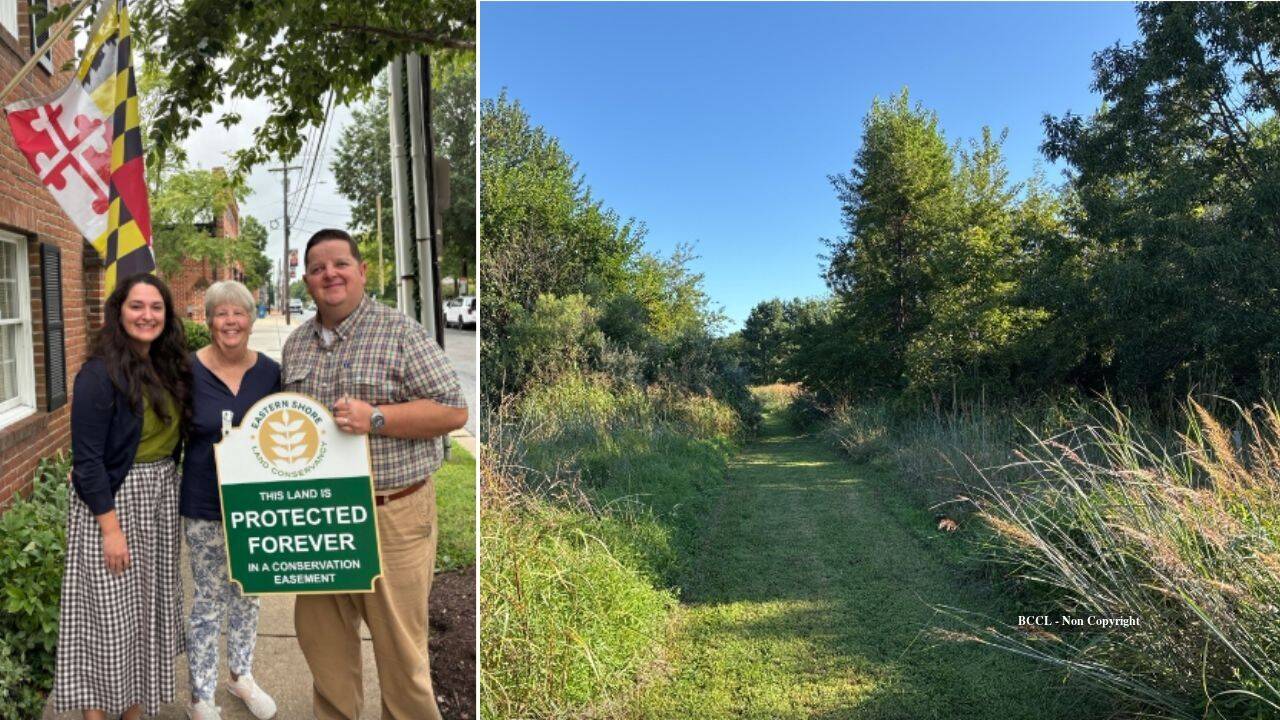
The Maryland couple established a conservation easement, legally binding the land to its wild state long after they are gone. In legal terms, it is a permanent deed restriction. In human terms, it is a promise made to the future. It says to the surrounding developers, the asphalt pavers, and the sprawl: Stop here.
There is a profound psychological weight to knowing you have protected something fragile. We spend our lives building defenses around ourselves—insurance policies, security systems, gated communities—as if isolation could keep the chaos at bay. But true safety doesn't come from keeping the world out. It comes from letting the world back in, on its own terms.
As twilight falls over those one hundred and sixteen acres, the shadows lengthen across the meadow. A lone red fox picks its way cautiously through the tall grass, pausing to listen for the faint rustle of a field mouse beneath the snow crust. There is no gunfire. There is no hum of heavy machinery clearing the ridge for the next batch of luxury cabins.
There is only the wind moving through the canopy, whispering an old story about what happens when we finally decide to stop conquering the earth and start living alongside it.