The coffee cup was still warm on the departure lounge table. Its rim carried the faint smudge of lipstick, the tiny, human signature of someone who, just minutes prior, had been worrying about baggage weight or whether their phone charger was buried too deep in a carry-on.
Then came the sound.
It was not the cinematic roar most people imagine when steel meets concrete from the heavens. It was a sharp, jagged crack that shook the reinforced glass panes of the concourse, followed immediately by the heavy, rhythmic thrum of emergency klaxons. People dropped magazines. A child’s toy rolled across the polished tile, emitting a tinny, cheerful electronic tune that felt violently out of place against the sudden, freezing vacuum of panic.
Pause. Breathe.
This is what an airport suspension looks like from the inside. We read the headlines on our phones—clinical, distant summaries about airspace restrictions and intercepted projectiles. We see numbers on a screen: flight cancellations, delay matrices, geopolitical updates. But behind every single suspended route is a moment where ordinary life abruptly halts, replaced by the stark realization that the thin blue line separating human movement from regional conflict has just frayed.
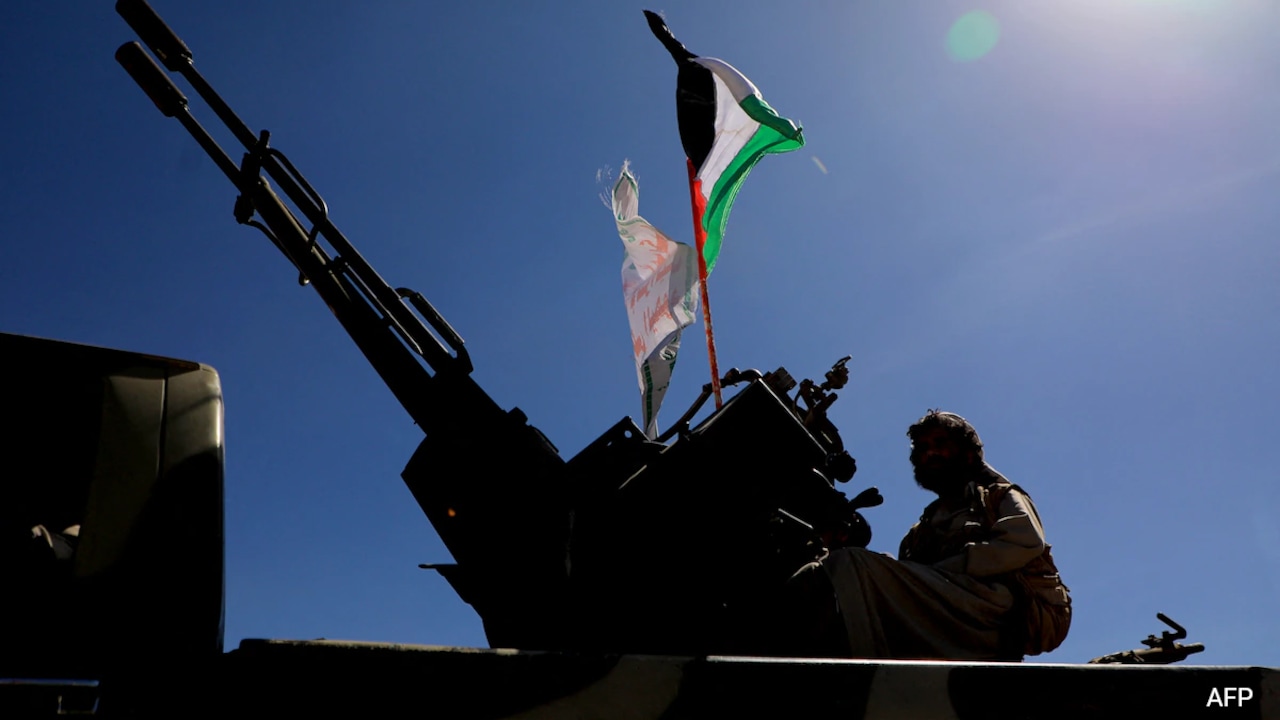
Consider what happened at King Abdullah bin Abdulaziz Airport in Jizan, Saudi Arabia, following a Houthi militant attack.
To understand the weight of that suspension, you have to look past the dry logistics of aviation schedules. You have to picture the tarmac. Airports are not merely concrete slabs and jet bridges; they are the circulatory system of the modern world. When a regional hub suddenly pauses operations, the immediate consequence is not just inconvenience. It is isolation.
(Note: To visualize how regional airspace vulnerabilities ripple outward, imagine a sprawling web where snapping a single central thread causes the entire perimeter to sag.)
The mechanics of a suspension are swift and ruthless. Radar screens go quiet in specific sectors. Amber warning lights flood control towers. Flight crews, who had been reviewing their descent profiles into southern Saudi Arabia, are suddenly rerouted thousands of feet in the air or held indefinitely at origin gates from Dubai to Cairo. Passengers are herded away from floor-to-ceiling windows toward the interior corridors—safer, windowless zones where the outside world cannot be seen.
Fear has a specific odor. It smells like stale coffee, nervous sweat, and ozone.
For the families waiting outside the arrivals terminal, the suspension manifests as a vacuum of information. Phones ring out into empty voicemails. Flight tracking apps freeze, stubbornly displaying a status that no longer matches reality. In that gap between the event and the official press release, human imagination runs wild.
Why Jizan? Why now?
Geography tells part of the story. Situated in the southwestern corner of the Kingdom, right along the Red Sea coast and dangerously close to the Yemeni border, Jizan is a vital lifeline for commerce, healthcare transport, and family reunions in a rugged, mountainous border region. When the Houthis target infrastructure in this corridor—utilizing explosive-laden drones or ballistic projectiles—they are exploiting a grim calculus. Aviation targets guarantee maximum visibility. They paralyze movement. They send a tremor through international markets and diplomatic channels simultaneously.
Yet, focusing solely on the weaponry misses the deeper human endurance required to live beneath such skies.
I remember speaking with a regional logistics coordinator years ago—someone who spent decades managing ground operations in tense geopolitical zones. He told me something that stayed with me. He said, "People think airports close because of physical damage. Most of the time, they close because of the margin of error. Aviation leaves zero room for guesswork. If you cannot guarantee absolute safety in the climb-out corridor, you ground the fleet. Period."
That margin of error is sacred.
When the decision came down to suspend operations at the airport, it was born from this exact philosophy. Better a delayed holiday, better a stranded businessman sleeping on a plastic airport chair for twelve hours, than the catastrophic alternative. Safety is rarely glamorous. Usually, it looks like a row of shuttered ticketing counters and a security guard standing with his arms crossed, shaking his head gently to a line of bewildered travelers.
The aftermath of such an attack plays out in slow motion.
Engineers sweep the runways for shrapnel. Security teams review perimeter camera footage frame by painstaking frame, looking for the microscopic signatures of incoming threats. Intelligence analysts cross-reference trajectory data with neighboring defense batteries. Every bolt, every runway light, every square yard of asphalt must be inspected and certified before a single wheel is permitted to touch down again.
Meanwhile, miles away in bustling metropolitan centers, the ripple effects are absorbed by ticketing agents facing lines of exhausted, frustrated people who just want to go home.
We forget how fragile our modern connectivity truly is. We book tickets with a tap of a thumb, expecting seamless journeys across continents as if the sky were an empty, neutral highway. We treat travel like a utility, akin to running water or electricity.
An attack like the one in Jizan strips away that illusion. It reminds us that every flight path is a fragile negotiation between human ingenuity and the stubborn realities of conflict on the ground. It exposes the invisible stakes carried by every pilot, every air traffic controller, and every traveler who simply wanted to catch a Tuesday morning flight.
The terminal in Jizan would eventually reopen. The debris would be cleared, the glass replaced, the scent of espresso returning to the lounges as the hum of jet turbines slowly reclaimed the air.
But for those who were there when the klaxons blared, the sky would never look quite the same again. It would remain vast, beautiful, and forever watched.