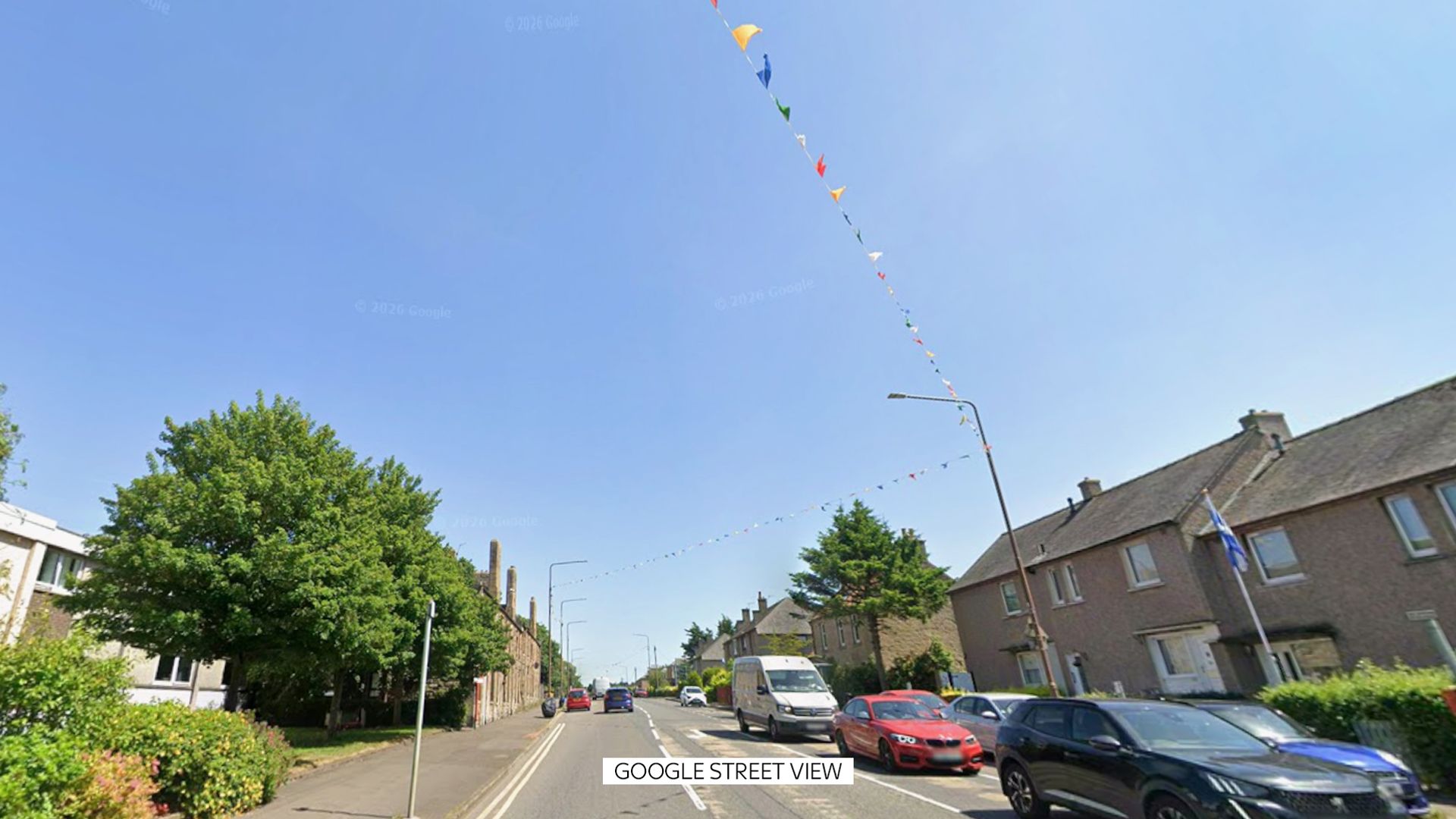
A driver was taken into custody following a late-night collision that left a pedestrian dead on a metropolitan thoroughfare, echoing a recurring, preventable crisis across modern roadways. Local law enforcement confirmed that the suspect faces severe criminal charges after emergency responders pronounced the victim dead at the scene. Yet, standard news flashes rarely capture the structural failures, kinetic realities, and investigative hurdles that define these tragic incidents long after the flashing squad car lights disappear.
The Anatomy of a Street-Level Collision
To understand why urban corridors turn deadly, one must look past the immediate police report and examine the convergence of physics, street design, and human behavior. When a multi-thousand-pound vehicle strikes a human body at speeds exceeding thirty miles per hour, the resulting kinetic transfer is almost universally catastrophic.
Consider the physics governing these impacts. Momentum scales linearly with mass and velocity, meaning a standard sport-utility vehicle or sedan carries enough force to turn a routine street-crossing into a fatal encounter. Municipal traffic engineers often point to driver distraction, low-light visibility, and impaired reaction times as primary catalysts. However, these factors interact with roadway geometry that prioritizes vehicle throughput over human safety. Wide lanes, poorly timed traffic signals, and insufficient crosswalk illumination transform ordinary asphalt into high-risk zones.
Beyond the Handcuffs
An arrest provides a swift narrative of accountability for the public, but the legal machinery that follows is notoriously complex. Prosecutors do not merely rely on the initial police assessment; they must reconstruct the final seconds through digital forensics, electronic control module data, and eyewitness testimonies.
Determining criminal liability in a fatal pedestrian crash requires investigators to answer granular questions. Was the driver operating a mobile device? Did vehicle maintenance play a role? Was the street design itself a contributing hazard?
"An arrest is just the opening statement in a lengthy evidentiary process where every variable from brake latency to ambient light levels is weighed under judicial scrutiny."
📖 Related: The Concrete Line That Divides Two Worlds
In many jurisdictions, charges range from criminally negligent homicide to aggravated manslaughter, depending heavily on intoxication levels or whether the motorist fled the scene. Hit-and-run scenarios introduce an entirely separate layer of investigative friction, forcing forensic teams to scour surveillance video for paint chips, bumper fragments, and partial license plate reflections.
The Systemic Failure of Urban Infrastructure
Blaming solely the driver or the pedestrian offers a convenient shortcut that ignores systemic shortcomings. Modern transportation networks remain engineered for an era that predates distracted driving epidemics and the proliferation of oversized consumer vehicles.
Taller grill heights on modern light trucks and SUVs significantly elevate the point of impact on an adult body, shifting trauma from the lower extremities directly to the torso and head. This mechanical evolution in vehicle manufacturing has directly correlated with rising fatality rates over the past decade, a trend safety advocates have repeatedly highlighted to federal regulators.
Compounding this vehicle-design hazard is the chronic underinvestment in pedestrian infrastructure. In numerous metropolitan districts, crosswalks are spaced hundreds of yards apart, practically encouraging jaywalking among commuters trying to access public transit. Temporary yellow warning signs and painted lines offer cheap substitutes for physical protection, such as raised medians, curb extensions, and protected pedestrian phases at traffic signals.
The Heavy Toll of Public Indifference
Every fatal collision generates a brief wave of public outrage, followed by an inevitable return to status quo driving habits. Communities mourn the loss, politicians promise safety reviews, and asphalt policies remain fundamentally unchanged.
True reform demands a departure from treating pedestrian deaths as unavoidable accidents of modern mobility. Until municipal planners and law enforcement agencies treat street safety with the same rigor applied to aviation or rail transit, the cycle of late-night sirens, sudden arrests, and grieving families will persist unabated on streets designed for speed rather than survival.