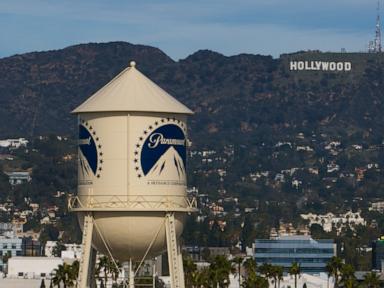
Everybody in the trades is popping cheap champagne over David Ellison taking the keys to the kingdom. The headlines scream about a fresh era of stability. They tell you that merging Skydance with the historic asset base of Paramount under one massive roof creates an unstoppable titan capable of crushing streaming rivals.
It is a comforting delusion.
I have watched studio boardrooms burn cash for decades, and I can tell you that stapling a prestige brand to a legacy balance sheet does not build a future. It just delays a funeral. This deal is not a triumphant coronation. It is a structured bailout disguised as an empire building exercise.
Let us look past the corporate press releases. The lazy consensus says massive scale solves everything. If you just buy enough IP, combine enough streaming apps, and cut enough middle management, the math works out. But scale without a pricing power advantage is just a bigger machine burning more fuel to go nowhere.
The Illusion Of Scale In A Post IP World
The entire premise of this merger rests on the idea that owning more libraries protects you from churn. It is a relic of the cable era. In the linear world, owning the pipe and the program meant you captured the toll. In the subscription video on demand economy, volume is a cost center, not an asset.
Look at what actually drives engagement. Consumers do not subscribe to a service because it has ten thousand hours of procedural television from the nineteen nineties sitting on a hard drive. They subscribe for a single cultural monoculture moment. They want the specific show dominating social feeds this week.
Skydance brings solid production capabilities and tech pedigree, specifically interactive media and animation chops. Paramount brings a staggering mountain of legacy debt and a linear television network model that is bleeding cash faster than a severed artery. You do not fix a decaying distribution model by adding more software engineers to the payroll. You fix it by admitting that the asset is underwater.
When a studio boasts about operational efficiencies through consolidation, translate that into plain English. It means firing the people who find new voices and doubling down on safe, algorithm tested sequels. It means milking existing intellectual property until the dry husk turns to dust.
The Debt Albatross Nobody Wants To Talk About
Let us talk about the capital structure. David Ellison did not pull off this coup with sheer charm. He brought private equity weight and heavy backing from his father's Oracle fortune. That capital comes with expectations.
When you inject billions into a legacy media house, you do not get to spend the next five years experimenting with bold artistic choices or taking creative risks on mid budget adult dramas. You spend every waking hour engineering cash flow to service interest payments.
The lazy narrative treats this as a creative rebirth. The reality is much colder. Every dollar directed toward servicing the financial engineering behind this takeover is a dollar stripped from development. The studio will become infinitely more risk averse. They will greenlight fewer original scripts. They will lean exclusively on known quantities, pre sold brands, and cheap unscripted garbage that keeps production margins afloat.
You cannot innovate when you are ducking your creditors.
Why Streaming Consolidation Is A Trap
The prevailing wisdom dictates that viewers want fewer, bigger apps. Industry analysts love to draw neat little charts showing how bundling services lowers churn.
They are missing the behavioral shift. Consumers do not want a mini cable bundle recreated inside an app interface. They want frictionless entry and exit. They subscribe for three months to watch a specific tentpole season, cancel, and move to a competitor.
No amount of corporate restructuring changes this fundamental reality of modern media consumption. By trying to out-Netflix Netflix through pure asset accumulation, this newly formed giant is chasing a business model that is already maturing and plateauing.
The smart money left linear television behind years ago. Pretending that you can revive a dying broadcast ecosystem by bolting a tech forward production house onto its back is like putting racing stripes on a sinking ocean liner.
The Uncomfortable Truth About Talent Flight
Let us address what happens to the creative ecosystem when these mega mergers settle in.
Top tier showrunners, directors, and cinematic talent do not want to work within bureaucratic behemoths trying to slash overhead by fifteen percent next quarter. They want partners who can move fast and trust a vision.
As soon as the ink dries on these massive consolidation deals, the bean counters take over. Legal departments expand. Compliance protocols multiply. Creative autonomy shrinks into a series of focus groups and executive committee approvals.
The best talent will migrate to boutique production houses, independent financiers, and streaming players that offer genuine creative freedom without the corporate paralysis. What remains inside the newly minted corporate leviathan will be a hollowed out factory churning out sanitized content designed not to offend any demographic globally.
What Actually Works
If you want to build a sustainable entertainment business today, you do the exact opposite of what this merger represents. You stay lean. You own your IP outright, but you partner with flexible, third party distributors instead of locking yourself into bloated proprietary apps that nobody opens unless a specific algorithm forces them to.
You treat content as a portfolio of calculated bets rather than an assembly line of intellectual property extraction.
The Skydance Paramount marriage will produce a few years of frantic restructuring headlines. There will be grand pronouncements about synergy, cross platform storytelling, and digital transformation.
Do not buy it.
At its core, this deal is about managing decline, not conquering the future. When the dust settles, the companies that win the next decade will not be the ones holding the heaviest baggage. They will be the ones agile enough to walk away from the wreckage entirely.