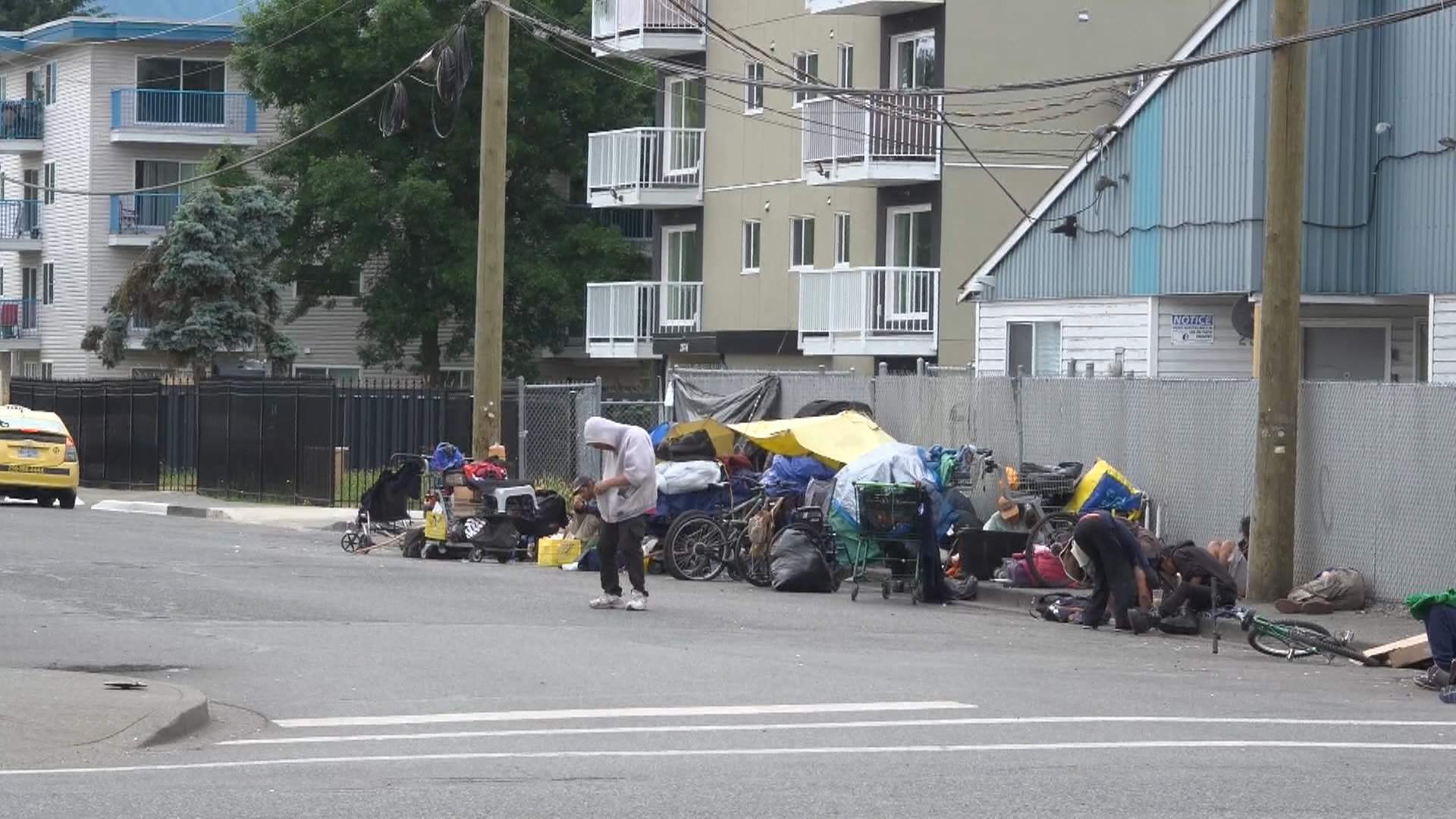
Small towns aren't built to handle urban catastrophes. For decades, the prevailing myth in British Columbia was that street disorder, open drug use, and encampments were strictly problems for the Downtown Eastside of Vancouver or downtown Victoria. That myth is completely dead.
Look at the Cowichan Valley. The latest Point-in-Time count flagged 428 people experiencing chronic homelessness in the region. That number keeps climbing, but the raw data doesn't even tell the whole story. Encampments are filling up with folks battling severe, untreated mental illnesses, deep-seated substance disorders, and acquired brain injuries. These aren't people who just need a temporary tent or a stern talk from a bylaw officer. They need intensive, psychiatric medical intervention.
Local governments are completely out of their depth, and they're running out of money trying to pretend otherwise.
North Cowichan Mayor Rob Douglas recently laid it out in a blunt letter to Premier David Eby. The municipality is burning $2 million every single year just trying to manage the fallout. For a town with a total operating budget of around $70 million, that is a massive, unsustainable bleed of cash. We're talking about money pulled directly away from fixing local roads, upgrading parks, and maintaining basic infrastructure. Instead, it's vanishing into a loop of policing, constant bylaw enforcement, emergency fire calls, and endless encampment cleanups.
The strategy of leaving small municipalities to fend for themselves isn't working. It's destroying local economies and leaving the most vulnerable people to rot in muddy fields.
The Financial Bleed of Small Town Enforcement
When a small municipality spends millions on street disorder, it doesn't buy a cure. It buys a temporary band-aid.
Think about where that $2 million goes in North Cowichan. It goes to paying overtime for RCMP officers to move people from one block to another. It goes to bylaw officers writing tickets that will never be paid. It goes to fire crews putting out campfires that threaten residential tree lines.
Local business owners are footing the bill while watching their livelihoods take a direct hit. Merchants in the regional corridor are dealing with regular property damage, broken windows, defaced walls, and a palpable sense of anxiety from shoppers. When customers don't feel safe walking down the sidewalk, they shop online or go elsewhere. The local tax base shrinks at the exact moment the municipal bills skyrocket.
The city tried a hard pivot last winter. They endorsed an implementation plan that put an extra $265,000 into moving public space custodians to full-time, adding portable toilets, and clearing refuse. They even cleared a major encampment on Lewis Street, displacing about 76 people.
What happened next should surprise absolutely nobody. The encampment didn't vanish into thin air; it just fractured. Dozens of people ended up sheltering in the Somenos Marsh. Within 24 hours of the displacement, outreach teams reported a mass toxic drug poisoning event. Because the marsh is prone to heavy rain, deep mud, and sudden tidal flooding, emergency health vehicles couldn't even drive in to save people.
Moving people from a visible street corner to a dangerous wetland isn't a policy success. It's a logistical shell game that puts lives at immediate risk and burns through emergency service hours.
Repurposing Old Infrastructure is the Only Logical Play
Small towns cannot build their way out of this with standard supportive housing modules alone. The province loves to brag about numbers. The Ministry of Housing points out that since 2017, they've got about 100 affordable homes built or underway in North Cowichan, along with 52 supportive units at Sq'umul' Shelh Lelum on Paddle Road. They'll tell you there are 47 permanent shelter spaces across the valley.
But look at the math. If you have nearly 430 unhoused people and dozens more on the absolute brink, a handful of shelter beds in Duncan or Ladysmith won't move the needle.
The real solution lies in heavy, institutional medical infrastructure. Mayor Douglas brought forward a proposal that the province needs to approve immediately: turn the old, vacant Cowichan District Hospital into a secure, long-term psychiatric treatment facility.
The valley is getting a brand-new Quw'utsun Valley Hospital, set to open around 2027. That leaves the old hospital site sitting there. Leaving a massive, plumbed, secure medical building empty while hundreds of people with brain injuries and severe psychosis live in flooded marshes is a bureaucratic crime.
Current Crisis Infrastructure vs. Real Demand:
- Total Unhoused Population (2025 Count): 428 people
- Total Permanent Valley Shelter Spaces: 47 beds
- Annual Municipal Crisis Spending: $2 Million
- Proposed Solution: Convert old Cowichan Hospital into secure care
We need to stop treating complex mental health issues as housing problems. If a person is in the middle of a severe, drug-induced psychosis or cannot function due to an acquired brain injury, giving them a key to an independent apartment without 24-hour medical oversight is a recipe for disaster. They don't just need a roof. They need doctors, nurses, psychiatric care, and an environment where they cannot easily access toxic street drugs.
The Failed Experiment of Dialogue Without Action
Municipal leaders across Vancouver Island have spent years sitting in polite meetings with Island Health, BC Housing, and various provincial ministries. Everyone nods. Everyone agrees the situation is tragic. Everyone promises to collaborate.
The dialogue is completely useless without immediate funding allocations. The province has started rolling out complex care housing and involuntary care facilities in places like Surrey, Maple Ridge, and Prince George. Rural and semi-rural regions are being left at the back of the line, despite facing identical per-capita rates of street disorder.
If the provincial government wants to prove it actually cares about community safety and human dignity, it needs to execute a specific, three-part checklist for mid-sized communities immediately.
First, reopen the applications for the Heart and Health programs to get medical teams directly on the ground. Second, commit immediate capital funds to strip and remodel the old Cowichan hospital site so it's ready the minute the new facility opens. Third, establish permanent, year-round daytime drop-in spaces so people aren't forced to exist entirely on the sidewalks during business hours.
If you live in a community facing this kind of pressure, stop letting local politicians blame everything on the province without a fight, and stop letting provincial ministers hide behind a wall of statistics about how many units they built five years ago. Show up to council meetings, demand to know exactly how much of your property tax is going toward temporary cleanups instead of permanent solutions, and force the issue up the chain to your MLA. The status quo is bankrupting our towns and killing our neighbors.