Science moves fast, but the breakthroughs making headlines right now sound straight out of a science fiction novel. We are looking at a weird mix of biology and defense tech that changes how we think about medicine and national security. If you missed the recent wave of laboratory announcements, you missed a massive shift in what researchers can build.
Let's dive into the details. You need to know what is actually happening behind the lab doors.
Drinking Your Medicine Instead of Taking Shots
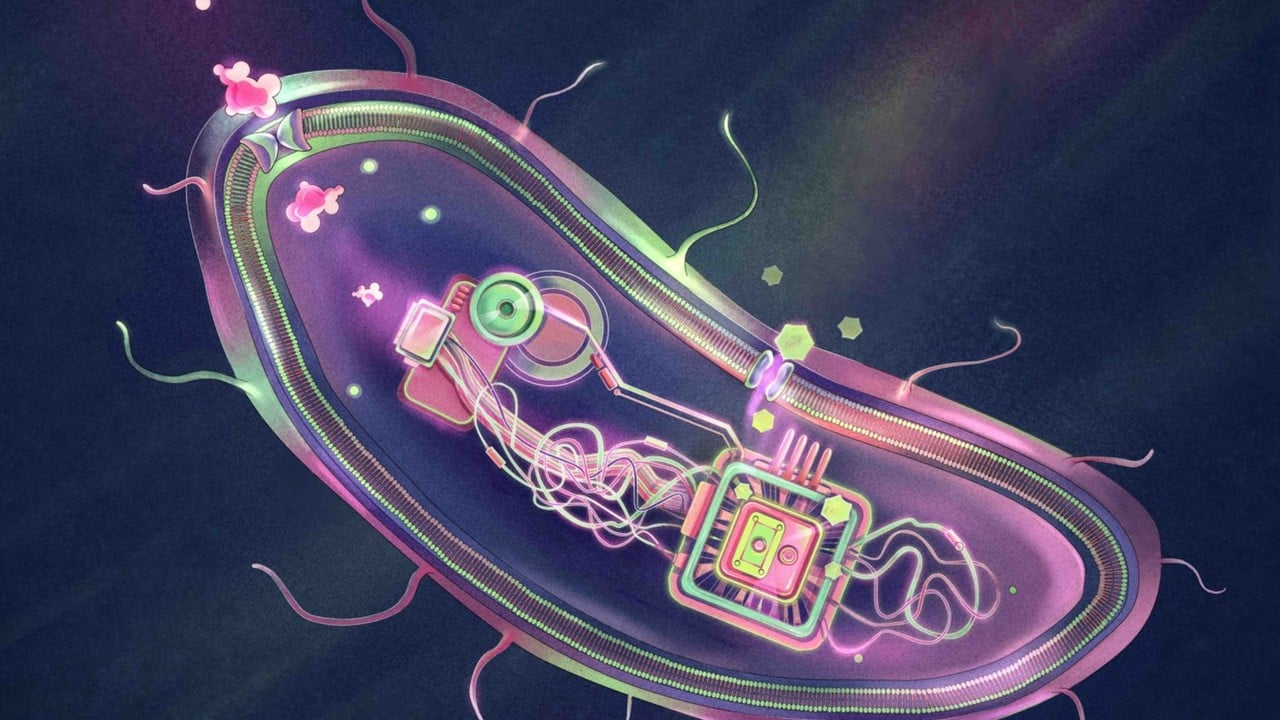
Managing blood sugar is a daily headache for millions of people. Daily injections and strict timing dictate lives. That might change soon. Researchers at East China Normal University in Shanghai engineered a "smart" probiotic called Gift.
Instead of swallowing traditional synthetic drugs, you might soon manage metabolic health by consuming a capsule or a cup of yogurt. The bacteria stay dormant when blood sugar sits at normal levels. When glucose spikes, the engineered microbe wakes up and releases glucagon-like peptide-1 (GLP-1). That is the exact hormone driving modern weight-loss and diabetes medications like Ozempic.
Animal tests showed incredible promise, and the team is already aiming to put this product on United States shelves as a health supplement within two years. Think about that. Chronic disease management could become as casual as eating breakfast.
Beating Stealth Tech with Artificial Intelligence
On the defense front, artificial intelligence is rewriting the rules of aerial combat. Advanced stealth aircraft like the F-22 and F-35 rely on radar-evading shapes and materials to stay invisible. But physics gives them away. Engines produce heat.
Chinese researchers recently tested an AI-driven missile tracking system designed to lock onto heat signatures mimicking these stealth fighters with over 90 percent accuracy. Even when pilots deploy traditional decoy flares to confuse infrared sensors, the machine learning algorithms filter out the distractions.
It shows a terrifying evolution in automated weaponry. Sensors combined with smart neural networks mean hiding from the sky is getting harder every single day.
Rebuilding Damaged Hearts
Medical miracles are not just happening in the gut. Hospitals in eastern China recently used reprogrammed stem cells to treat severe heart failure. The results shock traditional cardiologists. About 90 percent of trial patients showed significant functional recovery in their heart tissue after receiving the novel therapy.
Heart failure used to be a one-way street of management and decline. Regenerative medicine is rewriting that prognosis. We are moving past treating symptoms to actually rebuilding dead muscle tissue.
The Shift Toward Autonomous Defense
Labs are not the only places undergoing rapid transformation. Defense planners are looking at geography differently too. Proposals from coastguard analysts suggest turning contested islands in the South China Sea into robotic fortresses.
Instead of stationing thousands of vulnerable soldiers on remote, hostile outposts, military strategists want autonomous machine swarms to handle maritime defense. It points to a future where human soldiers step back while networked drones and automated systems hold the line.
Keep an eye on these developments. The gap between theoretical science and practical deployment is shrinking faster than ever.